Glucose Challenge Test, Pregnancy DIPSI, 75g Glucose, 2hrs
Also referred as
Glucose screening test during pregnancy

For women
Earliest reports in

12 hours

Contains

1 test
Test price:
₹89
50% off
Upto 15% extra discount with coupon
Min. order value: ₹5000 | Coupon: 1MGNEWG



More offers available

Know more about this test

The Glucose Challenge Test, Pregnancy DIPSI, 75g Glucose, 2hrs is a single-step screening blood test that is done during pregnancy (usually between 24 and 28 weeks). This test helps assess for gestational diabetes. It involves drinking a 75 g glucose solution and measuring blood sugar levels two hours later to ensure they are within a healthy range.


Samples required
Blood

Find out
Why is this test booked?

Preparation for this test

Sample Collection
Who will collect your samples?
Conducted by
Tata 1mg Labs


Accredited
labs
Highly skilled
Phlebos
Verified
reports
Who will collect your samples?
Tata 1mg certified phlebotomists
Know more about lab
Test Information is reviewed by: Dr. Swati Gupta (Anand), MBBS, MD Lab Medicine and written by Dr. Lipika Khurana, BDS, PGDHHM . The test details are for information purpose only. Consult a doctor before taking any test. Last updated on: 21st Jul 2026
Did you find information useful ?
 YES (11)
 NO (4)
Book a Glucose Challenge Test, Pregnancy DIPSI, 75g Glucose, 2hrs test at home near me
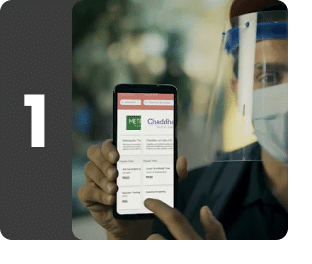
Easy online booking
Search for tests and packages, book your preferred time slot and enter your address for seamless at-home lab tests.
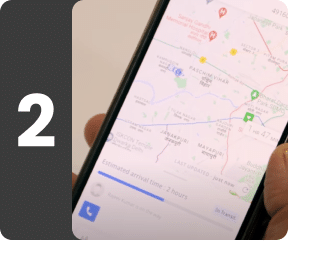
Live tracking of phlebotomist
Track our trained phlebotomist's real time location for seamless sample collection.
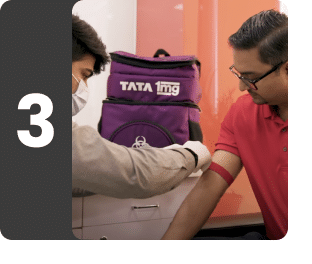
Safe Sample Collection
Our phlebotomists follow strict safety protocols to collect samples safely at home and on time.
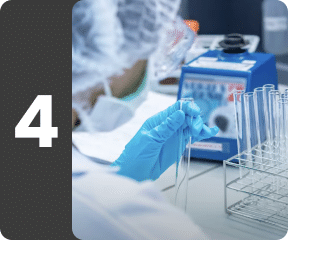
Sample received at lab
Samples are transported securely to our accredited labs with world-class machines for testing by qualified experts.
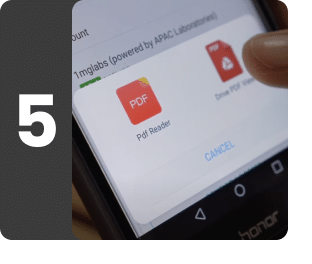
Quick, Doctor-Verified Reports
Get doctor-approved reports via email and WhatsApp, with options for doctor follow-ups and AI insights.



References
- Tripathi R, Verma D, Gupta VK, Tyagi S, Kalaivani M, Ramji S, Mala YM. Evaluation of 75 g glucose load in non-fasting state [Diabetes in Pregnancy Study group of India (DIPSI) criteria] as a diagnostic test for gestational diabetes mellitus. Indian J Med Res. 2017 Feb;145(2):209-214. [Accessed 03 Jun. 2024]. Available from:

- Rani PR, Begum J. Screening and Diagnosis of Gestational Diabetes Mellitus, Where Do We Stand. J Clin Diagn Res. 2016 Apr;10(4):QE01-4. [Accessed 03 Jun. 2024]. Available from:
- Diabetes in Pregnancy Study Group India (DIPSI) and WHO (1999) diagnostic criteria for GDM: A meta-analysis [Internet]. ScienceDirect; [Accessed 03 Jun. 2024]. Available from:

Recommended for women
This package is designed with women's health considerations in mind, offering targeted assessments to address unique wellness needs and potential risks.
Contains 1 test
Report delivery
Standard time
12 hrs
For slots after 11 AM, report will be delivered in 12 hours.
Samples required

Blood
1 vial required
Our phlebotomist will draw a blood sample, typically from a vein in your inner elbow.
Preparations
1
Patient takes 75 g glucose and sample will be collected 2 hour after oral administration of glucose.
2
Overnight fasting is not mandatory.
Why is this test booked?
1
To screen for gestational diabetes mellitus during pregnancy (GDM).
2
To prevent complications such as preeclampsia, future type 2 diabetes in the mother, etc.
3
To reduce the risk of complications like preterm birth, high birth weight babies, and neonatal hypoglycemia.
4
To allow for timely intervention and management of GDM to maintain a healthy pregnancy.
5
To mitigate long-term health risks for both mother and child, including the potential development of diabetes later in life.
Coupon details
Upto 15% extra discount with coupon
Get upto 15% off on your lab tests
Maximum discount: ₹1500
1MGNEWG

10% off
₹999

13% off
₹3000
15% off
₹5000
Available Offers
Get additional 15% off
Get 15% off on your first order of lab tests
Maximum discount: ₹300
1MGNEW
Get additional upto 15% off
Get upto 15% off on your lab tests
Maximum discount: ₹1500
1MGNEWG
Upto ₹650 off on all lab tests
Get upto ₹650 off on all lab tests
Maximum discount: ₹650
1MGSUPER
Upto Rs 1500 off on all lab tests
Get upto ₹1500 off on all lab tests
Maximum discount: ₹1500
1MGSUPERMAX
Flat 20% off on all lab tests
Get flat 20% off on all lab tests
Maximum discount: ₹2500
1MGMAX20
Who's behind your sample collection?




MEET YOUR PHLEBO

Certified & experienced professionals
Tata 1mg phlebotomists are DMLT / B.Sc MLT certified and have 1+ years of experience

Best in-class collections
Tata 1mg phlebotomists are trained for painless, single-prick hygienic sample collection

Comprehensive expertise
Other than sample collection, our phlebos are also skilled in first aid, ECG & BP monitoring
WHAT OUR CUSTOMERS ARE SAYING
Better service
~ Manisha Kobnak

Good
~ Dhandapani Kavitha