




 GenuinePrescription103 people
Product introduction
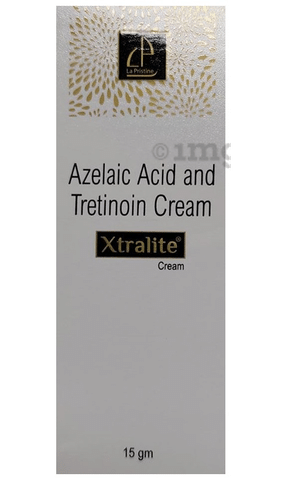
Xtralite Cream is a prescription medicine having a combination of medicines that is used to treat melasma. It helps in quick skin renewal. It also provides nutrition to the skin.
Xtralite Cream should be used in the dose and duration as advised by your doctor. Wash your hands before using this medicine. It is advised to check the label for directions before use. It is for external use only.
Do not use this medicine more than the recommended dose. Inform your doctor if you have known allergies from this medicine. The common side effects of this medicine include redness, stinging, burning sensation, and peeling of the skin at the application site.
If these side effects or any other symptoms which you think are because of this medicine persist for a longer duration, please consult your doctor. Inform your doctor if you are pregnant or breastfeeding are suffering from any other disease.
Uses of Xtralite Cream
- Melasma
Benefits of Xtralite Cream
Melasma is a common skin problem that causes dark, discolored patches on your skin primarily on the face. It frequently occurs during pregnancy and menopause. Xtralite Cream helps to lighten these dark patches by reducing the production of melanin (natural skin pigment). It improves skin texture and gives a smoother-looking skin. It also reduces the appearance of dark spots. This helps boost your self-esteem and confidence as your appearance changes. Keep using it for as long as it is prescribed to get the full benefits.
Side effects of Xtralite Cream
- Skin peeling
- Burning sensation
- Application site redness
- Stinging sensation
- Erythema (skin redness)
How to use Xtralite Cream
How Xtralite Cream works
Quick tips
- Xtralite Cream is used for the treatment of melasma.
- Use mild soap and lukewarm water to wash with. Always dry the area gently with a towel before applying the medicine.
- It is usually recommended that you use Xtralite Cream twice each day, in the morning and the evening.
- Try to avoid getting the medicine on the sensitive areas of your skin in or around your nostrils, eyes, and mouth. Do not apply it to any areas of skin that are irritated or sore.
- Use protective measures like sunscreen (with minimum SPF 15) or wear a hat whenever you step outside.

Save more with additional offers
