









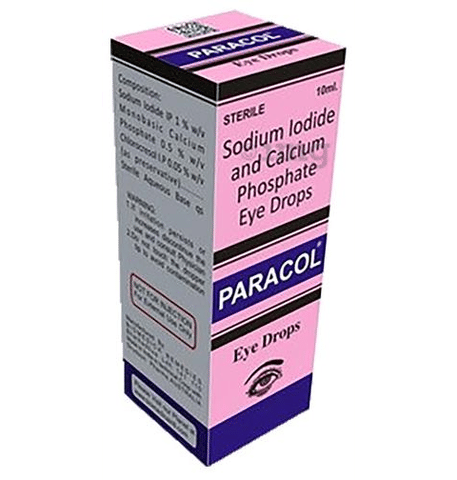
Paracol Eye Drop
Calcium Phosphate (0.5% w/v)+ Sodium Iodide (1% w/v)
 Genuine
Authenticity Assured
 Prescription
required
Paracol Eye Drop is a combination of two medicines. It is used is in the treatment of cataracts. It also helps in preventing further formation of cataracts in the future.
Written By Dr. Sakshi Jain, MS, BDS,
Reviewed By Dr. Sachin Gupta, MD Pharmacology, MBBS,
Last updated on 09 Oct 2026 | 01:01 AM (IST)
Written By Dr. Sakshi Jain, MS, BDS,
Reviewed By Dr. Sachin Gupta, MD Pharmacology, MBBS,
Last updated on 09 Oct 2026 | 01:01 AM (IST)
Minimum order quantity
Save more with additional offers

Get upto Rs.150 Cashback on minimum transaction of Rs.599/- with Mobikwik UPI (@ikwik).
Get upto Rs.150 Cashback on minimum transaction of Rs.599/- with Mobikwik UPI (@ikwik).


Get up to ₹75 cashback on a minimum order value (MOV) of ₹499 and above, valid once per customer.
Get up to ₹75 cashback on a minimum order value (MOV) of ₹499 and above, valid once per customer.
Get up to ₹75 cashback on a minimum order value (MOV) of ₹499 and above, valid once per customer.
Get up to ₹75 cashback on a minimum order value (MOV) of ₹499 and above, valid once per customer.
Get upto Rs.150 Cashback on minimum transaction of Rs.599/- with Mobikwik UPI (@ikwik).
Get upto Rs.150 Cashback on minimum transaction of Rs.599/- with Mobikwik UPI (@ikwik).
Get up to ₹75 cashback on a minimum order value (MOV) of ₹499 and above, valid once per customer.
Get up to ₹75 cashback on a minimum order value (MOV) of ₹499 and above, valid once per customer.
Get up to ₹75 cashback on a minimum order value (MOV) of ₹499 and above, valid once per customer.
Get up to ₹75 cashback on a minimum order value (MOV) of ₹499 and above, valid once per customer.

Assured cashback up to ₹300*. T&C Apply*
Assured cashback up to ₹300*. T&C Apply*
General Information
Contains
Calcium Phosphate (0.5% w/v)+ Sodium Iodide (1% w/v)
Marketer
Biomedica International
Storage
Store below 25°C
The content is shown in English



Safety advice

Alcohol
No interaction found/established

Pregnancy
CONSULT YOUR DOCTOR
Information regarding the use of Paracol Eye Drop during pregnancy is not available. Please consult your doctor.

Breast feeding
CONSULT YOUR DOCTOR
Information regarding the use of Paracol Eye Drop during breastfeeding is not available. Please consult your doctor.

Driving
UNSAFE
Paracol Eye Drop may cause temporary visual disturbances. Do not drive until your vision is clear.
Kidney
No interaction found/established

Liver
No interaction found/established
Related lab tests
References

Related products
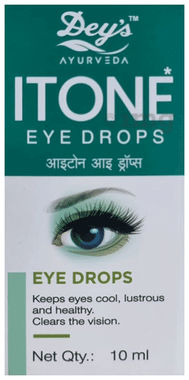
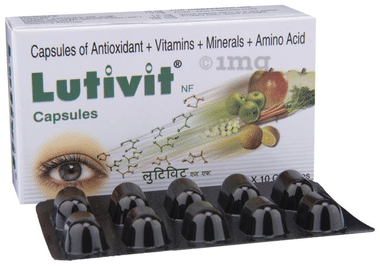
Products related to Paracol Eye Drop






100% genuine products

Safe & secure payments

No contact delivery

Fully sanitized facilities

Want to know more
We provide you with authentic, trustworthy and relevant information
Have issue with the content
Why we need a prescription?

