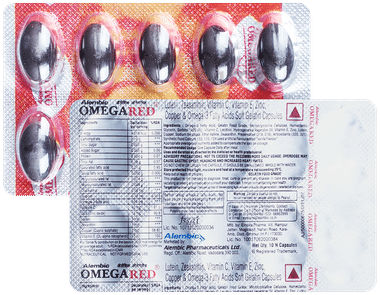


Neored Eye Drop is a prescription medicine used to treat allergic diseases of the eye. It relieves redness and swelling of the eye and provides temporary relief from burning and discomfort.
Neored Eye Drop is to be used only in the affected eye in the dose and duration as advised by the doctor. Wash your hands before using this medicine. It is advised to check the label for directions before use. Do not skip any doses and finish the full course of treatment even if you feel better.
The most common side effects include pain, irritation, and stinging sensation at the site of application, blurred vision, and photophobia. In case of accidental contact with your ears, nose, or mouth, immediately rinse it with water. Inform your doctor if you have a known allergy to any of the ingredients in this medicine or if you are taking any other medication. It is advised not to drive or operate heavy machinery immediately after using this medicine as it may cause temporary blurring of vision and may affect your ability to drive.
Neored Eye Drop helps relieve symptoms of allergic eye disease such as redness and swelling. It also adds moisture to your eyes and keeps them lubricated. This gives relief from burning sensation and discomfort due to dryness of the eyes. You can use Neored Eye Drop 2-3 times a day or as prescribed by the doctor. If you see no improvement even after a week, consult your doctor. Apart from using eye drops, it is advisable to wash your eyes with luke warm water to reduce discomfort.
Side effects of Neored Eye Drop
Most side effects do not require any medical attention and disappear as your body adjusts to the medicine. Consult your doctor if they persist or if you’re worried about them
Common side effects of Neored
Eye irritation
Eye pain
Stinging in the eyes
Blurred vision
Photophobia
How to use Neored Eye Drop
This medicine is for external use only. Use it in the dose and duration as advised by your doctor. Check the label for directions before use. Hold the dropper close to the eye without touching it. Gently squeeze the dropper and place the medicine inside the lower eyelid. Wipe off the extra liquid.
How Neored Eye Drop works
Neored Eye Drop is a combination of two medicines:
Safety advice
Alcohol
No interaction found/established

Pregnancy
CONSULT YOUR DOCTOR
The safety of Neored Eye Drop during pregnancy has not been established. There are no adequate and well-controlled studies in pregnant women, and animal data on reproductive toxicity are insufficient. Your doctor will weigh the benefits and any potential risks before prescribing.
Breast feeding
SAFE IF PRESCRIBED
Neored Eye Drop may be safe to use during breastfeeding. Animal studies have shown low or no adverse effects to the developing baby; however, there are limited human studies.

Driving
UNSAFE
Neored Eye Drop may cause temporary visual disturbances. Do not drive until your vision is clear.
Kidney
No interaction found/established

Liver
No interaction found/established

What if you forget to take Neored Eye Drop?
If you miss a dose of Neored Eye Drop, skip it and continue with your normal schedule. Do not double the dose.
All substitutes
For informational purposes only. Consult a doctor before taking any medicines.
No substitutes found for this medicine
Quick tips
Neored Eye Drop provides soothing relief from eye irritation due to allergy.
It should usually be used twice a day (in the morning and the evening). If your symptoms are particularly severe, your doctor may suggest you use them up to four times a day.
In case the dropper tip gets contaminated, squeeze out two or three drops straightaway onto some tissue and rinse the tip with saltwater.
After applying Neored Eye Drop, close your eyes, and place one finger at the corner of your eye. Apply gentle pressure for 1 to 2 minutes before opening your eyes. This will prevent the medication from draining out. Try not to blink or rub your eye.
Avoid wearing contact lenses until your doctor advises you that it is suitable for you to wear your lenses again.
Fact Box
Habit Forming
No
Therapeutic Class
OPHTHAL
Patient concerns
Cold urticaria skin and allergic disease
Dr. Atula Gupta
Dermatology
Tab.Montair FX one at night for 2 weeks then switch to Tab.Montair one at night for 2 weeks.Tab.Zentel 400mg one tablet only.Check for Dental caries.Linical lotion over affected areas. Follow up after 4 weeks.
Neored Eye Drop is used to treat allergic eye diseases such as allergic conjunctivitis. They provide quick relief from a wide range of symptoms, including eye redness, swelling, itching, burning, dryness, and general discomfort.<br>
My eyes often get red and irritated from dust and pollution. Can I use Neored Eye Drop for that?
Yes. Neored Eye Drop can provide relief from eye irritation caused by environmental factors such as dust, smoke, wind, and sun exposure. The decongestant and lubricating properties help clear redness and soothe discomfort.<br>
How quickly will I feel relief after using Neored Eye Drop?
The exact time Neored Eye Drop takes to improve your symptoms is not known. However, you may feel a cooling and soothing sensation almost immediately due to the camphor and menthol present in Neored Eye Drop. Redness and itching may start to improve within a few minutes as the medicine begins to work.<br>
I've heard that you should not use “redness relief” eye drops for too long. Is that true for Neored Eye Drop?
Yes. It is important not to overuse Neored Eye Drop. Long-term use can lead to a condition called rebound redness, where your eyes become even redder when you stop using the medicine. You should not use this medicine for more than a few days without consulting your doctor.<br>
Can I use Neored Eye Drop for “computer vision syndrome” or digital eye strain?
Yes. The lubricating and soothing properties of Neored Eye Drop can help relieve some symptoms of digital eye strain, such as dryness, burning, and discomfort that can occur from staring at screens for long periods.<br>
What should I tell my doctor before I start using Neored Eye Drop?
Before starting Neored Eye Drop, you should inform your doctor if you have a history of high blood pressure, heart disease, diabetes, or narrow-angle glaucoma. The constituents in this medicine can be absorbed into the bloodstream, and may affect these conditions.<br>
Tata 1mg's sole intention is to ensure that its consumers get information that is expert-reviewed, accurate and trustworthy. However, the information contained herein should NOT be used as a substitute for the advice of a qualified physician. The information provided here is for informational purposes only. This may not cover everything about particular health conditions, lab tests, medicines, all possible side effects, drug interactions, warnings, alerts, etc. Please consult your doctor and discuss all your queries related to any disease or medicine. We intend to support, not replace, the doctor-patient relationship.
References
ScienceDirect. Naphazoline. [Accessed 17 Apr. 2019] (online) Available from:
DailyMed. Carboxymethylcellulose. [Accessed 17 Apr. 2019] (online) Available from: