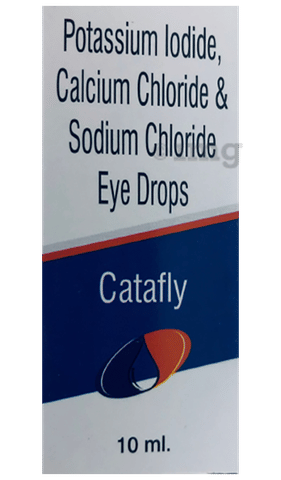



Catafly Eye Drop is a combination of medicines that is used to treat the disorders of eyes. It helps in improving the eyesight. It prevents cataract or opacity or any other eye diseases.
Catafly Eye Drop is to be used only in the affected eye in the dose and duration as advised by the doctor. Wash your hands before using this medicine. It is advised to check the label for directions before use. Do not skip any doses and finish the full course of treatment even if you feel better. Stopping the medicine too early may lead to the infection returning or worsening.
The common side effects of this medicine include irritation and burning sensation at the application site. If these side effects persist for a longer duration, please consult your doctor. In case by accident, this medicine goes into your ears, nose or mouth, immediately rinse it with water.
Inform your doctor if you are pregnant or breastfeeding or are allergic to this medicine or taking any other medication. It is advised not to drive or operate heavy machinery after use of this medicine in case you experience symptoms that can affect your ability to drive.
There are various types of eye disorders and one of the most common is cataracts. Cataracts develop when the clear lens of your eyes becomes cloudy leading to blurred (unclear) vision. Catafly Eye Drop helps prevent cataracts. However, Catafly Eye Drop does not treat cataract that has already occurred. This medicine can also help improve your eyesight if used regularly. It is advisable to visit an eye care professional regularly for checkups and to prevent any kind of eye disorder.
Side effects of Catafly Eye Drop
Most side effects do not require any medical attention and disappear as your body adjusts to the medicine. Consult your doctor if they persist or if you’re worried about them
Common side effects of Catafly
Application site irritation
Burning sensation
How to use Catafly Eye Drop
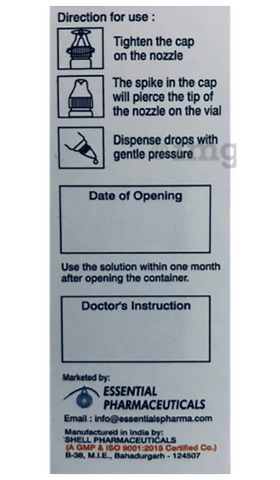
This medicine is for external use only. Use it in the dose and duration as advised by your doctor. Check the label for directions before use. Hold the dropper close to the eye without touching it. Gently squeeze the dropper and place the medicine inside the lower eyelid. Wipe off the extra liquid.
How Catafly Eye Drop works
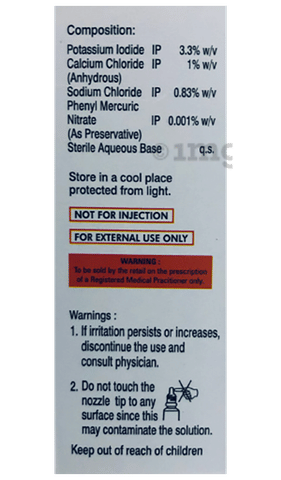
Catafly Eye Drop is a combination of three mineral salts. Altogether, Potassium Iodide, Sodium Chloride, and Calcium Chloride work to improve the eyesight. It is also believed to prevent lenticular opacity (cataract or opacity) and other eye diseases.
Safety advice
Alcohol
No interaction found/established

Pregnancy
CONSULT YOUR DOCTOR
Information regarding the use of Catafly Eye Drop during pregnancy is not available. Please consult your doctor.
Breast feeding
CONSULT YOUR DOCTOR
Information regarding the use of Catafly Eye Drop during breastfeeding is not available. Please consult your doctor.

Driving
CONSULT YOUR DOCTOR
It is not known whether Catafly Eye Drop alters the ability to drive. Do not drive if you experience any symptoms that affect your ability to concentrate and react. Please consult your doctor.

Kidney
No interaction found/established

Liver
No interaction found/established
What if you forget to take Catafly Eye Drop?
If you miss a dose of Catafly Eye Drop, use it as soon as you remember. However, if it is almost time for your next dose, skip the missed dose and resume your regular schedule.
All substitutes
For informational purposes only. Consult a doctor before taking any medicines.
Catafly Eye Drop is prescribed for the prevention of cataracts.
Instill 1 or 2 drops in the affected eye(s) every 3 or 4 hours, or as directed by a physician.
Make sure to use it within 4 weeks of opening the bottle.
In order to have healthy eyesight, eat a diet rich in green leafy vegetables, eggs, nuts, beans, fish, and citrus fruits.
Too much UV exposure increases your chances of cataracts. Wearing the right pair of sunglasses will help protect your eyes from harsh sun rays.
Have regular eye checkups at least once a year.
Fact Box
Habit Forming
No
Therapeutic Class
OPHTHAL
FAQs
What is Catafly Eye Drop used for?
Catafly Eye Drop is used to slow down the development of cataracts (clouding of the lens in the eye) and to prevent cloudiness after cataract surgery (posterior capsular opacity). It helps maintain the lens’s normal health and clarity.
How does Catafly Eye Drop help with cataracts?
Catafly Eye Drop helps maintain the balance of electrolytes (minerals like sodium, potassium, calcium) in the eye lens, which supports lens transparency and healthy function. This slows down cataract formation and may help improve vision in early cataract cases.
Can Catafly Eye Drop cure cataracts completely?
No. Catafly Eye Drop does not cure cataracts, but it may delay or slow their progression, especially when surgery is not immediately possible or advisable due to other health conditions such as high blood pressure or diabetes.
When do doctors prescribe Catafly Eye Drop?
Doctors often recommend Catafly Eye Drop to delay cataract progression in early stages, postpone cataract surgery for patients with other medical issues, and prevent cloudiness after surgery (posterior capsular opacity).
Can Catafly Eye Drop cause serious side effects?
Serious side effects of Catafly Eye Drop are not commonly reported, but if you notice eye pain, severe irritation, or sudden vision changes, stop using Catafly Eye Drop and contact your eye specialist right away.
What should I do if I experience irritation after using Catafly Eye Drop?
Mild irritation may occur rarely after using Catafly Eye Drop. If burning, redness, or itching persists or worsens, stop using the medicine and consult your eye doctor immediately.
When should I contact my doctor while using Catafly Eye Drop?
While using Catafly Eye Drop, you should reach out to your doctor if you notice worsening vision or cloudiness, experience eye pain or severe irritation, or develop new symptoms after starting the drops. Always use these drops under medical guidance only.
Tata 1mg's sole intention is to ensure that its consumers get information that is expert-reviewed, accurate and trustworthy. However, the information contained herein should NOT be used as a substitute for the advice of a qualified physician. The information provided here is for informational purposes only. This may not cover everything about particular health conditions, lab tests, medicines, all possible side effects, drug interactions, warnings, alerts, etc. Please consult your doctor and discuss all your queries related to any disease or medicine. We intend to support, not replace, the doctor-patient relationship.
References
Henderer JD, Rapuano CJ. Ocular Pharmacology. In: Brunton LL, Chabner BA, Knollmann BC, editors. Goodman & Gilman’s: The Pharmacological Basis of Therapeutics. 12th ed. New York, New York: McGraw-Hill Medical; 2011. pp. 1707-1737.
Marketer details
Name: Essential Pharmaceuticals
Address: No. 47, Phase 3, Ashish Royal Park, Opposite Rohilkhand Dental & Medical College, Pilibhit By Pass, Bareilly-243006, Uttar Pradesh, India