
Winter is not just about coughs and flu—it’s a season when kidney-related emergencies can also happen. This is because winter changes how you drink water, eat, move, and even how your blood vessels behave. Acute kidney injury (AKI) and chronic kidney disease (CKD) occur more often during colder months [1]. The surprising part? Many of these cases are preventable. These small seasonal shifts can place unexpected strain on the kidneys—especially in older adults or those living with kidney disease. Let’s understand why kidney problems increase in winter and, more importantly, 10 tips for healthy kidneys this winter.
Why Does Kidney Disease Risk Increase in Winter?
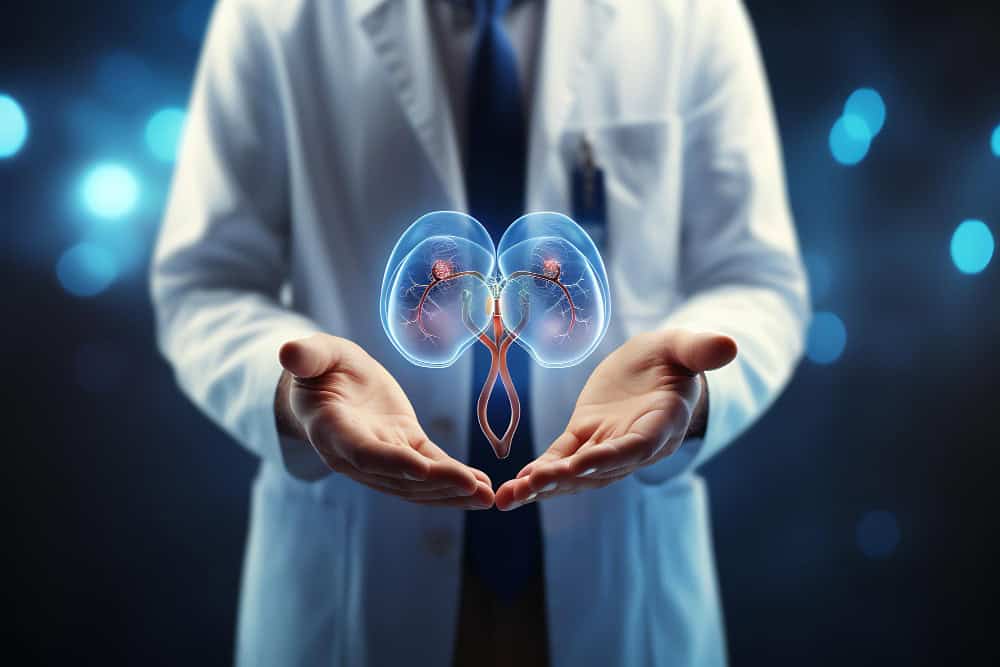
Kidneys are sensitive organs that rely heavily on adequate blood flow, hydration, and stable blood pressure. Winter can disrupt all three.
- Dehydration Happens Silently
People feel less thirsty in winter, even though the body continues to lose fluids through urination and dry indoor air. Reduced water intake can thicken the blood, lower kidney filtration, and may trigger acute kidney stress.
- Blood Pressure Fluctuations
When temperatures drop, blood vessels constrict. This can raise blood pressure—one of the strongest risk factors for kidney damage and failure [2].
- Infections Increase
Flu, pneumonia, or urinary tract infections can stress the kidneys, especially when fever and poor fluid intake are involved.
- Excessive Use of Painkillers
Headaches and pain around joints or all over the body often increase in winter. This can make many people rely on over-the-counter painkillers that may harm kidney function when used frequently or without guidance.
If you want to know more about whether your kidneys are functioning normally, book a simple test today.
10 Expert Tips for Healthy Kidneys in Winter

1. Drink Water—Even When You’re Not Thirsty,

In winter, thirst signals drop, but kidney filtration still depends on fluid intake. Mild dehydration may not feel dramatic—but it can reduce urine output and concentrate toxins. Sip warm water, herbal teas, or plain water at regular intervals rather than waiting until you feel thirsty.
2. Don’t Ignore Dark or Reduced Urine
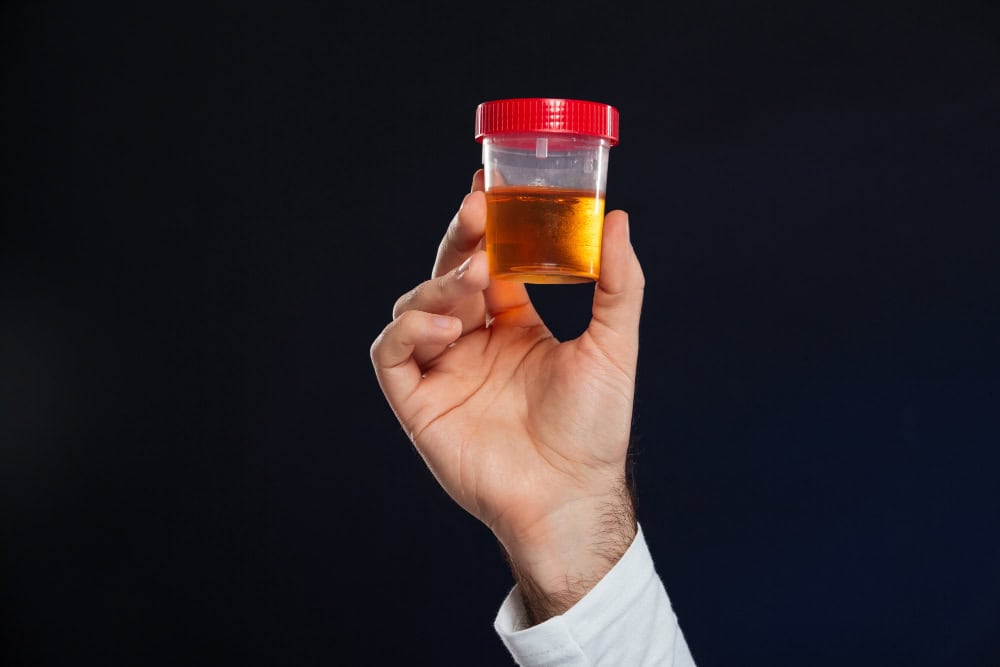
Urine colour is one of the simplest kidney health indicators.
– Pale yellow = well hydrated
– Dark yellow or amber = dehydration
– Very low urine output = kidney stress
Ignoring these signs can allow minor dehydration to progress into kidney injury—especially in people with diabetes or CKD.
3. Consume Moderate Salt and Processed Food

Winter cravings can lead you towards salty snacks, heavy meals, and packaged foods. High sodium from packaged snacks or pickles can elevate your blood pressure and increase the workload on your kidneys. Try home-cooked meals with controlled salt levels, plenty of seasonal vegetables or whole grains, and proteins.
4. Eat Citrus and Kidney-Friendly Foods

Citrus fruits like lemons and oranges contain natural citrate, which can help reduce kidney stone formation. Incorporating these foods into a balanced diet can improve kidney health.
5. Monitor Blood Pressure Closely
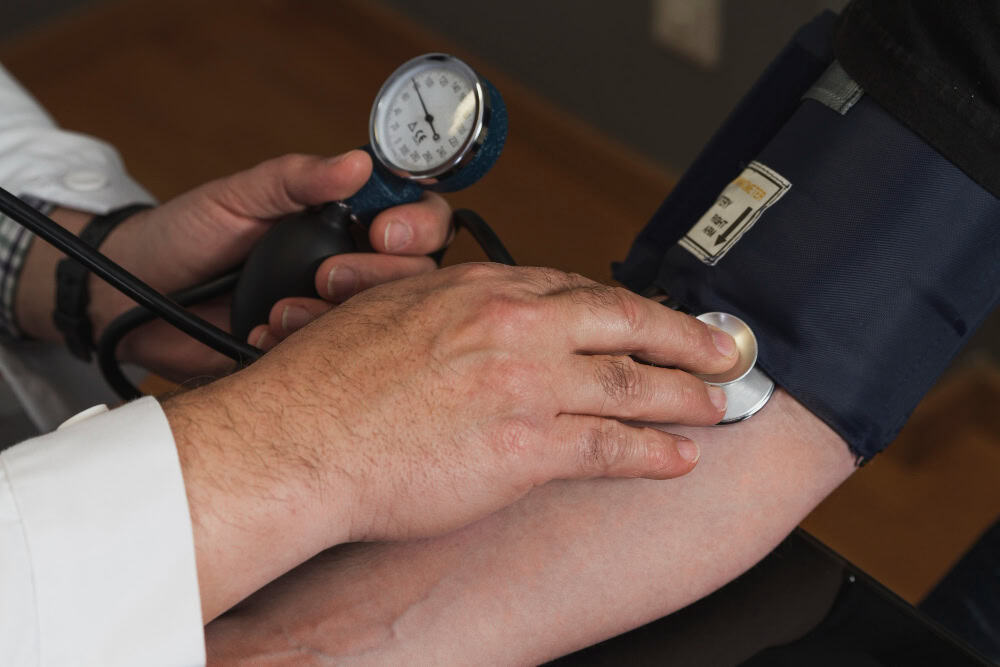
Blood pressure (BP) can significantly rise in winter due to vessel constriction [3] and reduced activity. Uncontrolled blood pressure is one of the leading causes of kidney failure worldwide. It is better if you:
– Check BP at home regularly. Explore and find in a click.
– Don’t skip medicines because you “feel fine”.
– Report sudden spikes to your doctor
6. Keep Warm to Support Circulation

Dress in layers, stay indoors during extreme cold, and avoid sudden temperature changes. This can help prevent blood vessel constriction and also maintain healthier circulation, benefiting both the heart and kidneys.
7. Stay Physically Active Indoors

In winter, people usually become more physically inactive. This can slow down circulation and overall health. Movement, especially physical movements, can improve circulation, support blood pressure control, and encourage healthy kidney function. Even regular indoor activities—like brisk walking, yoga, or gentle stretching—help keep your body working efficiently.
8. Don’t Take Painkillers Without Advice
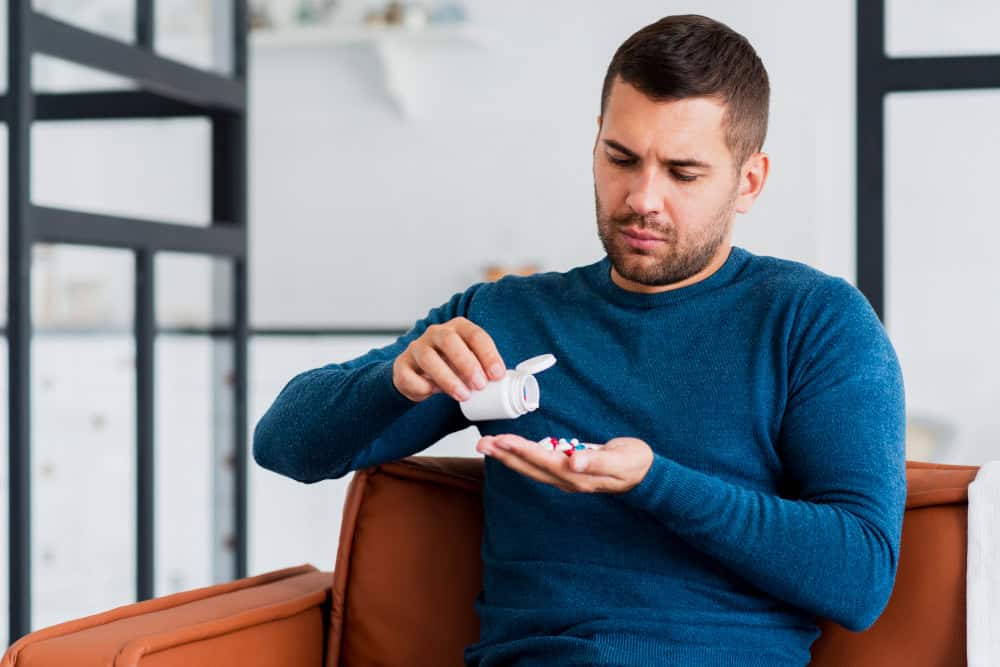
In winter, overuse of painkillers due to headaches or joint pain is a common problem. When taken excessively or without a doctor’s prescription, these drugs can lower kidney blood flow. Consult a physician about safer options if you frequently require pain relief.
9. Defend Yourself Against Infections

Kidney function can be indirectly impacted by respiratory infections and urinary tract infections (UTIs). The kidneys may momentarily find it difficult to maintain normal filtration when infections result in fever, vomiting, or dehydration. Even a mild case of the flu can place stress on the kidneys. Therefore, taking precautions such as maintaining good hygiene, washing your hands frequently, and staying indoors during major outbreaks is important.
10. Get Kidney Function Tests and Regular Check-Ups

Regular health examinations help identify changes early in people with diabetes, hypertension, or a family history of kidney disease. Before symptoms worsen, tests can provide a clear picture of your kidney function. Typical instances include the following:
– Creatinine in serum
– eGFR, or estimated glomerular filtration rate
– Analysis of urine
Prepare Yourself, Don’t Panic
No kidney failure happens overnight. In winter, kidney issues generally build quietly, and we barely notice. With the above tips for healthy kidneys, you can significantly reduce the risk of kidney stress. Just take baby steps to protect your kidneys rather than any last-minute fixes. Winter is just one season in the year where a little extra care goes a long way.
FAQs
Q. Are your kidneys affected by cold weather?
Yes, cold weather can indirectly affect kidney health. People drink less water in winter, blood pressure rises, and infections are more common—all of which can stress the kidneys.
Q. What are some foods to avoid for kidney disease?
People with kidney problems are usually advised to:
– Limit high-salt foods
– Processed snacks
– Red Meat
– Sugary drinks
– Foods high in potassium or phosphorus
Different foods are advised to be avoided depending on the condition.
Q. Are the kidneys responsible for regulating my blood pressure and electrolyte balance?
Yes, kidneys help control blood pressure, sodium, potassium, calcium, and fluid balance. All of which affects the heart and overall health.
Q. What parts of my body are affected by kidney damage?
When your kidneys are damaged, they can affect the heart, bones, blood, nerves, and skin. This may cause swelling in the legs, fatigue, anaemia, and high blood pressure.
Q. How do I check kidney function at home?
You cannot fully check your kidney function at home. Blood tests (creatinine, eGFR) and urine tests ordered by a doctor are needed for accurate evaluation.
Q. When to get worried about kidney problems?
Seek medical advice if you notice reduced urine output, swelling, persistent fatigue, foamy or bloody urine, or uncontrolled blood pressure.
Q. Which drink can restore kidney function?
No drink can “restore” damaged kidneys. Adequate water intake may support kidney function, but treatment depends on the underlying cause and medical care. Always consult the right professional.
Q. What is usually mistaken for kidney pain?
Gallbladder stones are commonly mistaken for kidney pain. This can happen because the pain can radiate to the right side of the upper abdomen or back. However, gallbladder pain usually worsens after fatty meals. True kidney pain is usually deep, dull, and felt on one side of the lower back.
References
1. Htay ZW, Ng CFS, Kim Y, Lim YH, Iwagami M, Hashizume M. Associations between short-term exposure to ambient temperature and renal disease mortality in Japan during 1979–2019: A time-stratified case-crossover analysis. Environmental Epidemiology. 2024;8(1):e293. doi:10.1097/ee9.0000000000000293
2. High Blood Pressure & Kidney Disease. National Institute of Diabetes and Digestive and Kidney Diseases. https://www.niddk.nih.gov/health-information/kidney-disease/high-blood-pressure. Published August 12, 2025.
3. Cold weather hikes blood pressure, UF scientist warns – UF Health. https://ufhealth.org/news/2005/cold-weather-hikes-blood-pressure-uf-scientist-warns.
(The article is written by Sneha Jajoo, Intern, Clinical Health & Content, and is reviewed by Dr.Subita Alagh, Assistant Team Lead, Disease Content.)