
If you are looking to control or manage diabetes, your diet doesn’t have to be anything special. The key is to be mindful of certain foods, especially those rich in carbohydrates, which may spike blood sugar levels. It is possible to manage diabetes by leading a healthy lifestyle that includes balanced meals, exercise, and adequate sleep[1].
This article will help you choose which foods to have or to avoid if you have diabetes. Consider this your handy meal guide, which combines real-life tips with practical advice that you can use right now.
Need to know what’s the best diet for you? A dietitian can tailor a personalized eating plan, considering your health goals, preferences, and lifestyle.
Foods To Eat If You Have Diabetes

These are the kinds of foods that can help you manage blood sugar, support metabolism, and reduce complications.
1. Non-Starchy Vegetables

Vegetables like spinach, cauliflower, broccoli, bell peppers, cucumbers, and leafy greens are low in calories & carbs but rich in fiber, vitamins, and minerals. They can help slow down the glucose absorption and add bulk to your meals without spiking sugar levels.
2. Whole Grains & High-Fiber Foods

Swapping refined grains with whole grains like brown rice, whole wheat roti, oats, and barley can provide fiber. This fiber can slow down digestion and prevent rapid glucose spikes. Also, legumes (lentils, chickpeas, and black beans) offer both fiber and plant protein.
3. Lean Proteins

Opting for lean sources of protein like fish, eggs, skinless poultry, tofu, paneer (in moderation), and low-fat dairy or plant-based dairy options can help keep you full and stabilize your blood sugar. You can also pair protein with carbs so that they can slow absorption.
4. Healthy Fats
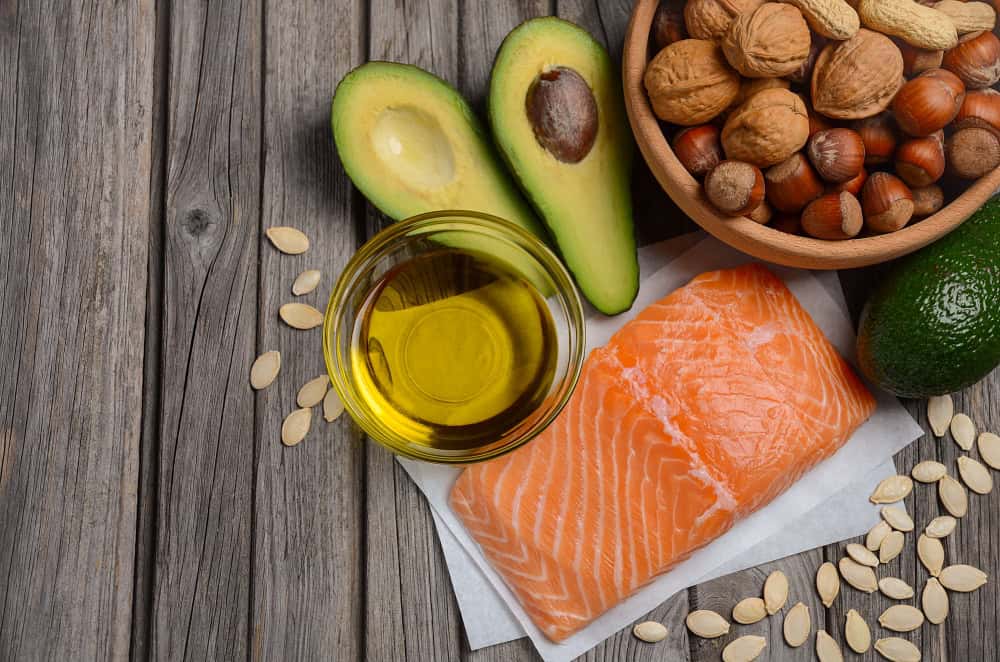
Unsaturated fats (from nuts, seeds, avocado, and olive oil) are heart-friendly and don’t raise glucose. Hence, small amounts of these can help your meals feel more satisfying and moderate the glycaemic impact.
5. Low-Glycemic Fruits
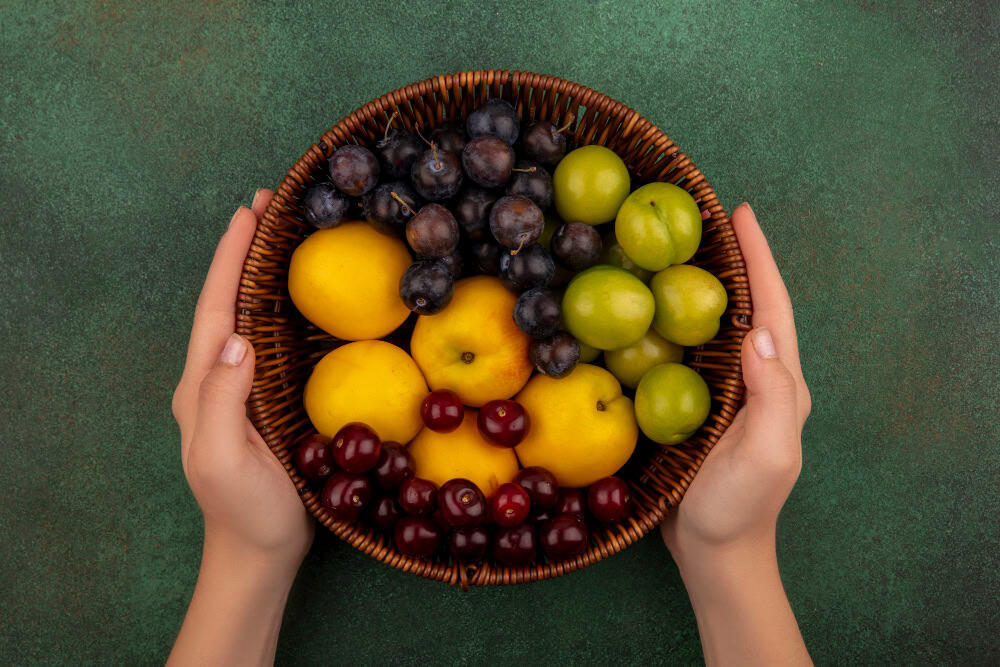
Fruits are not forbidden, but choosing lower glycemic index ones can certainly help. Eating fruits like berries, apples, oranges, and pears with their skin and pairing them with protein or fiber can reduce sugar spikes.
Remember that with the right foods, the right amount of hydration is also equally important; drinking enough fluids such as water, unsweetened tea, light coffee (no added sugar), and infused water can help stabilize your blood sugar levels.
Foods (Along with Drinks) To Limit or Avoid

Steering clear of certain foods or drinks can make a big difference in which foods you add or which drinks you avoid. If you are diabetic, here is what to watch out for:
1. Refined Carbohydrates and Sugary Foods
White rice, white bread, cakes, candies, cookies, sugary cereals, and sugary drinks – all these can convert quickly into glucose and cause blood sugar spikes.
2. High-fat or Processed Meat
Sausages, bacon, processed meats, and full-fat cuts of meat. All of these are high in saturated fats, which can worsen insulin resistance and increase cardiovascular risk.
3. Full-Fat Dairy & Creamy Desserts
Full-cream milk, heavy creams, full-fat yogurt, and ice cream – these can slow digestion and affect glucose control in some people. It is better to choose low-fat or unsweetened versions of these dairy products.
4. Fried, Processed, and Fast Foods
Deep-fried food items like fries, chips, pakoras, fried snacks, and burgers all tend to combine starchy carbohydrates with unhealthy fats, making them harmful to consume.
5. Alcohol and Sugary Drinks
Soft or hard drinks, sweetened coffees/teas, energy drinks, and even the so-called healthy fruit juices deliver sugar in a liquid form that can rapidly be absorbed, causing sharp blood sugar spikes.
Putting It All Together

Some practical tips can help you incorporate the eat/avoid foods smoothly:
- Carbohydrate counting: If you use insulin or certain medicines, counting carbohydrates can help you adjust doses. And have consistent portion sizes.
- Pairing Crabs with Proteins and Fats: Always combine proteins or fats with carbohydrates, as it can slow down digestion and reduce glucose spikes.
- Choose Meals That You Enjoy: Don’t eat bland food, but skip sugar, cream, and excess oil.
- Eating on a Schedule: Try to eat at similar times each day. Don’t skip meals.
- Monitor & Adjust: Check your blood sugar before and 1-2 hours after any food intake. This can help you see patterns and adjust your diet accordingly.
FAQs
1. What to eat to reduce diabetes?
Focus on high-fiber foods like whole grains, lentils, leafy green vegetables, and fresh fruits in moderation. Also, including lean proteins and healthy fats can help manage diabetes.
2. Is apricot good for diabetes?
Yes, apricots can be good for people with diabetes when eaten in moderation. They are rich in fiber and have a low glycaemic index, hence helping regulate blood sugar levels.
References
1. Healthy Living with Diabetes. National Institute of Diabetes and Digestive and Kidney Diseases. https://www.niddk.nih.gov/health-information/diabetes/overview/healthy-living-with-diabetes?dkrd=/health-information/diabetes/overview/diet-eating-physical-activity. Published August 12, 2025.
2. 10 surprising things that can spike your blood sugar. Diabetes. https://www.cdc.gov/diabetes/living-with/10-things-that-spike-blood-sugar.html. Published May 15, 2024.
(The article is written by Sneha Jajoo, Intern, Clinical Health & Content, and is reviewed by Dr.Subita Alagh, Assistant Team Lead, Disease Content.)
Recommended Reads
5 Everyday Food Swaps That Can Make Diabetes Easier To Manage
Insulin Pens: Types and How to Pick the Best One for Diabetes