
You step on the weighing scale after a week of “being good”. Less sugar, fewer snacks, maybe even a couple of workouts. The number drops. You feel good—for a moment. But a few days later, it’s back up again. Or worse, you don’t look any different despite losing weight. Confusing, right? This stage is where most people get stuck. Because what people call “weight loss” isn’t always what their body actually needs. If you’ve ever felt like your efforts aren’t showing results, there’s a good chance you’re chasing the wrong goal. Let’s simplify what weight loss vs. fat loss is.
Why Understanding Weight Loss vs. Fat Loss is Important
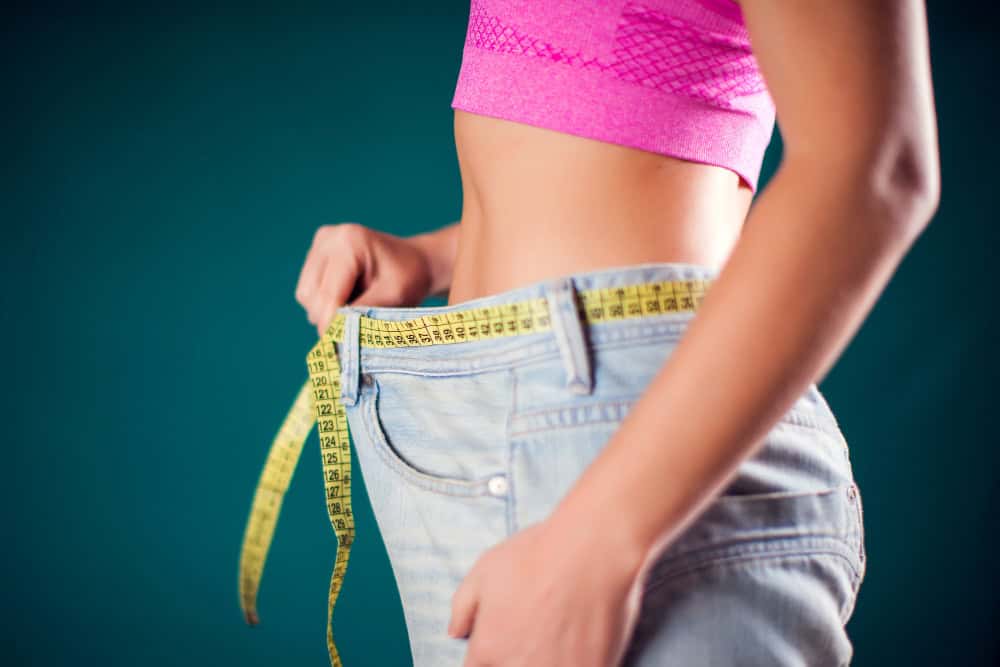
Your body is a complex mix of water, muscle, bone, and fat. When you “lose weight” too quickly, you are not just losing flab around your waist. You might also be losing the very muscle that keeps your metabolism fast. This is the difference between looking “thin” and being “fit”. The Indian body type is genetically prone to “skinny fat”, characterised by thin arms and a stubborn belly. Understanding the Weight Loss vs. Fat Loss battle is the only way to get results that actually last.
The Science Behind Weight Loss vs. Fat Loss: What Are You Actually Losing?
When you step on a scale, it measures the total mass of your body. It doesn’t know the difference between a litre of water you just drank and the fat stored in your cells.
Weight Loss: This is a decrease in your overall body weight. It includes muscle, water, and fat. If you go on a “crash diet”, most of your initial weight loss will be attributed to water and muscles.
Fat Loss: This is the specific reduction of body fat while maintaining (or even gaining) muscle mass. This is the standard of fitness because muscle is metabolically active—it can burn calories even while you sleep.
The “Quick Results” Trap Most People Fall Into
 In India, quick weight loss is often glorified. Lose 5 kg in 10 days. Detox juices and extreme diets. Yes, they do reduce weight quickly, but most of that loss is water, glycogen (stored carbohydrates), and muscle, not fat. That’s why the weight comes back just as fast—sometimes even more. This is due to the possibility that your metabolism slows down and your body retains fat more aggressively.
So, What Should You Focus On?
If your goal is long-term health and a better-looking body, the answer is to focus on fat loss—not just weight loss. Fat loss improves body composition, supports metabolism [1], and is easier to maintain. Weight loss alone? It’s just a number.
5 Steps to Switch from ‘Weight Loss’ to ‘Fat Loss’ Mode

Fat loss doesn’t come from extreme changes. It comes from a few consistent habits:
1. Prioritize Protein (The ‘Satiety’ King)
In a typical Indian diet—heavy on rice, roti, and poha—protein is often an afterthought. To lose fat, you need protein to “repair” and “hold onto” your muscle.
The Swap: Ensure every meal has a protein source like curd (dahi), paneer, dal, soya, or eggs.
2. Add Resistance, Not Just Cardio (The Gym Trick)
Walking 10,000 steps is excellent for your heart, but it won’t build the muscle needed for fat loss.
The Habit: Incorporate 2-3 days of strength training. This could be lifting weights, using resistance bands, or even bodyweight exercises like squats and push-ups.
3. Don’t Fear the ‘Healthy’ Fats (Your Best Friend)
Many people cut out ghee and nuts entirely when trying to lose weight. However, your body needs healthy fats to produce hormones that regulate fat burning.
The Move: Stick to 1-2 teaspoons of ghee or a handful of almonds. They keep you full and stop you from reaching for sugary biscuits.
4. Stop the ‘All-or-Nothing’ Fasting (Common Mistake)
Extreme fasting can cause the body to store fat and burn muscle for energy. As the body starts to think that it’s in “famine” (the state of severe food shortage).
The Fix: Use “Circadian Fasting”—eat with the sun and finish dinner early, but make sure your eating window is nutrient-dense.
5. Sleep (The Secret Fat Burner)
When you are sleep-deprived, your body spikes cortisol. High cortisol makes your body “hold onto” belly fat like a shield. You can’t out-diet a lack of sleep. So, just sleep like your health depends on it.
In Weight Loss vs. Fat Loss: Why the Scale Can Be Misleading

Let’s take a simple example. You start eating better and add some workouts. Over a few weeks, you lose fat and gain a bit of muscle. Now, muscle is denser than fat. So even if your body is improving, the scale might show little to no change. And that’s where frustration kicks in. You think, “Nothing is working.” When in reality, things are actually improving.
What Progress Looks Like (Beyond the Scale)
When shedding fat, progress won’t always show up as a lower number. Instead, more reliable signs that your body is changing would be that your clothes fit you differently, and you have reduced belly fat. You may also see a better posture and increased strength.
So, Is Weight Loss Ever Important?
Yes—but in context. For someone overweight or obese, reducing overall body weight can improve health markers like blood sugar, cholesterol, and blood pressure. But the quality of that weight loss is important. Losing fat while maintaining muscle is what gives sustainable results.
FAQs
Q. Why did you gain 500g after a heavy gym session?
It’s likely water retention. When you work your muscles, they get tiny “micro-tears” that require water to repair. This isn’t fat; it’s actually a sign that your muscles are getting stronger and preparing to burn more fat later!
Q. Is it possible to lose fat and gain weight at the same time?
Yes, this is called ‘body recomposition’. Because muscle is much denser than fat, you might gain “muscle weight” while your waistline shrinks. This is the ultimate goal for a healthy body.
Q. Why is belly fat the last to go in ‘Fat Loss’?
Belly fat (visceral fat) is often linked to hormones and genetics. Your body stores it there for “emergencies”. Stay consistent; once your body realises it has a steady supply of nutrients and lower stress, it will eventually tap into those stubborn reserves.
Q. Can I do ‘Spot Reduction’ to lose just face fat or arm fat?
No. Your body decides where it pulls fat from based on your genetics. However, if you focus on overall fat loss, you will eventually see changes in those “trouble areas”.
Q. Should I stop weighing myself entirely?
Not necessarily, but don’t weigh in daily. Sudden weight changes on the scale can be misleading. Weigh yourself once a week, at the same time, under the same conditions. More importantly, take body measurements (waist, hips, arms) once a month to track your actual progress.
Q. Does drinking garam paani (hot water) melt fat?
Hot water can support digestion and hydration, but it doesn’t melt fat. Fat loss happens when you burn more calories than you consume. Think of it as a helpful habit—not a shortcut.
Q. Why am I losing inches but the scale isn’t moving?
That’s actually a good sign. It means you’re losing fat and gaining muscle. Muscle takes up less space than fat, so your body looks leaner even if your weight stays the same.
Q. Is fruit okay for fat loss, or is it too much sugar?
Fruits are absolutely fine—they contain fiber that slows sugar absorption. Just try to have them earlier in the day, as late-night intake may be less efficiently used by the body.
Reference
1. National Academies Press (US). Weight-Loss and maintenance strategies. Weight Management – NCBI Bookshelf. https://www.ncbi.nlm.nih.gov/books/NBK221839/. Published 2004.
(The article is written by Sneha Jajoo, Intern, Clinical Health & Content, and is reviewed by Dr.Subita Alagh, Assistant Team Lead, Disease Content.)
Recommended Reads
Struggling to Lose Weight? Try These 7 Simple Indian Food Swaps
Flexitarian vs. Mediterranean Diet for Weight Loss: Which One Should You Choose?