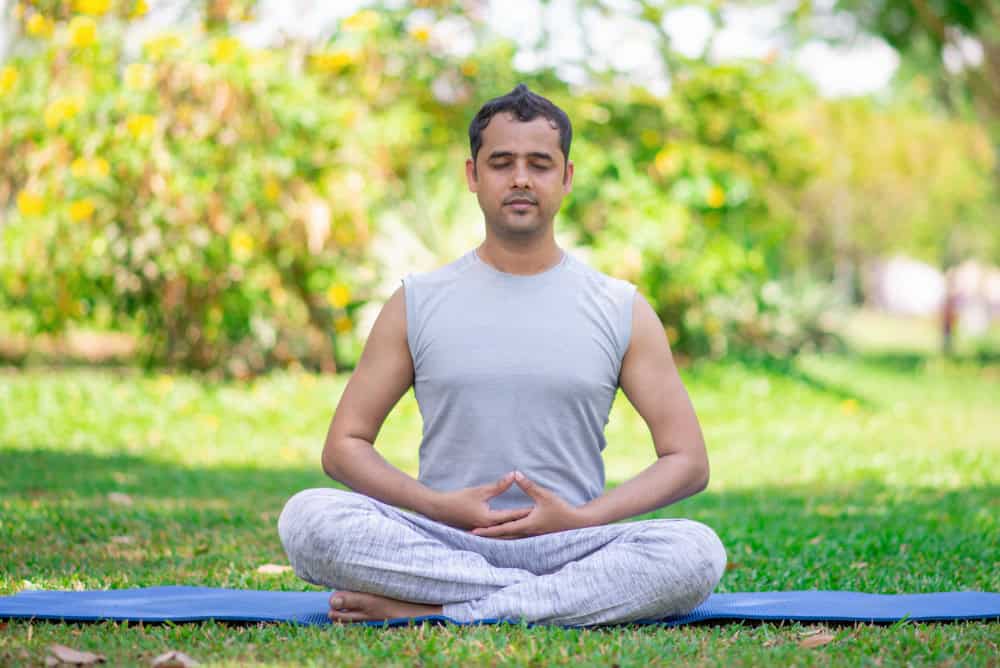
After a heavy meal, many of us blame indigestion on “bad or unhealthy food”. Our gut does more than digest food: it can communicate with the brain, influence mood, and regulate immunity. Modern lifestyles have subtly altered how our gut functions. Long sitting hours, irregular meals, and constant stress can slow digestion and confuse your gut’s natural rhythm. What if the solution is not only in what you eat but also in how you move? That’s where yoga poses for digestion and good gut health come in. Unlike intense workouts, digestive yoga can work gently yet deeply. In this guide, you will learn about 6 expert-recommended yoga poses for digestion, how they work, and when to practise.
Ayurvedic View: Why Yoga Poses for Digestion Actually Work
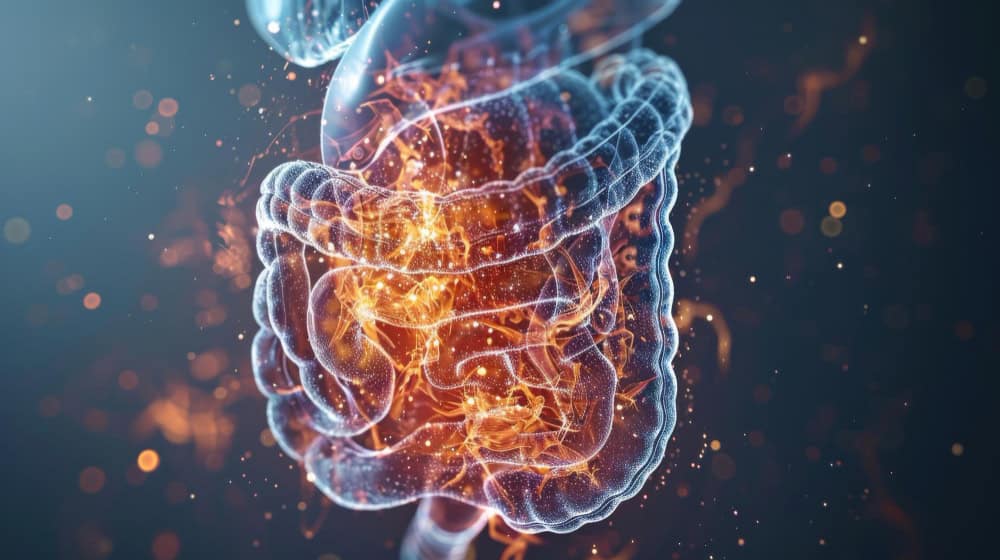 In Ayurveda, digestion is governed by Pachackagni (digestive fire). When this Agni is weak, food is poorly digested. This can create Ama (remains in the body due to improper digestion) and cause gas, bloating, low immunity, and fatigue. Twisting and compression-based yoga poses for digestion:
– Kindle Agni
– Remove accumulated Ama
– Strengthen overall gut health
These 6 Yoga Poses for Digestion Can Enhance Digestion and Gut Health
Below are six accessible yet effective yoga poses for digestion and good gut health.
1. Vajrasana
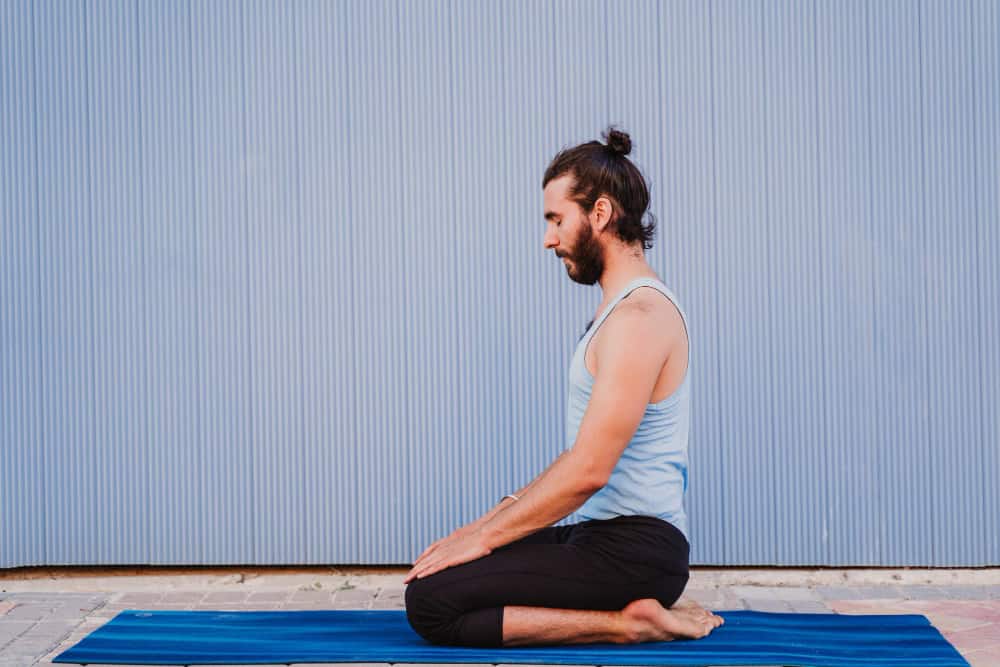
The ‘Adamantine posture’ or the ‘warrior pose’ is an asana that is used for meditation and pranayama. It’s one of the very few yoga poses you can safely practise after meals [1]. That alone makes it special for digestion.
How does it support the body?
– Redirects blood flow toward the pelvis and abdominal organs
– Reduces acid reflux, heaviness, and bloating
– Encourages proper nutrient absorption
This is beneficial for people with sluggish digestion, indigestion, acidity, gas, or those who eat late dinners. By keeping the spine upright and compressing the abdominal region gently, Vajrasana stimulates digestive enzymes naturally. Dr. Deepak Soni, Senior Ayurveda Expert at Tata 1mg, suggests doing this yoga pose for 15 minutes and not more than that.
2. Bhujangasana
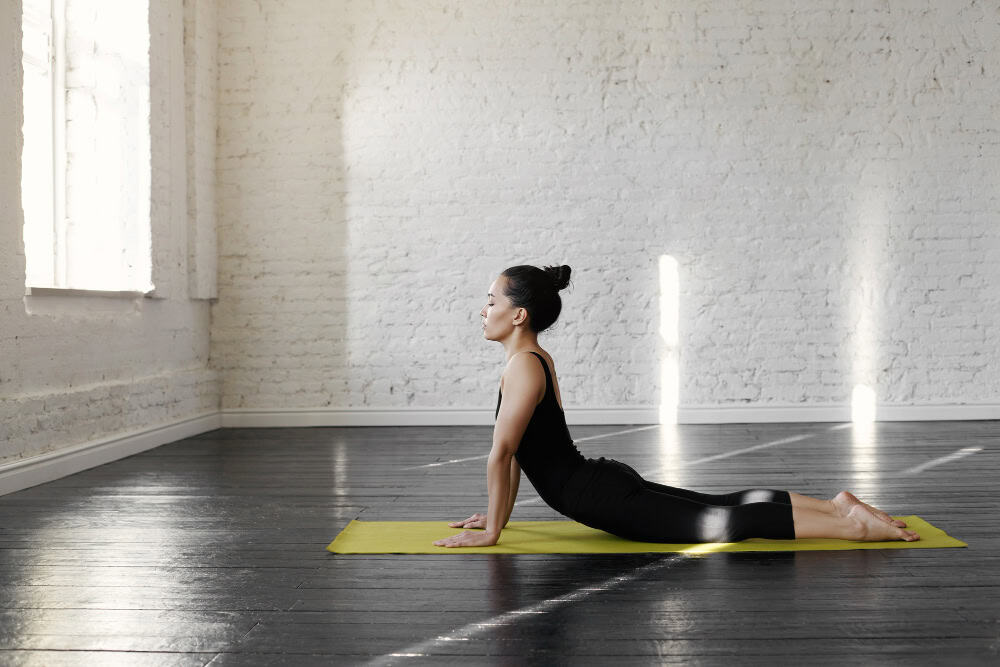
This yoga pose, Bhujangasana (‘Cobra posture’), stretches the front of your body while strengthening your back. It can directly tone the abdomen and strengthen the spine.
How does it help?
– Relieves constipation and indigestion
– Improves spinal flexibility
– Massage and squeeze the rectum and sigmoid colon [2]
Bhujangasana should be practised on an empty stomach and at least a few hours before or after meals.
3. Paschimottanasana

The seated forward bend pose, or Paschimottanasana, a deep forward bend, compresses the abdominal organs and can stimulate sluggish intestines. It can also calm the mind, which indirectly improves digestion by lowering stress-induced acidity. People with slipped discs or severe back pain should consult a doctor before adding this to yoga poses for digestion. Try to avoid doing this pose during pregnancy.
How does it help?
– It supports the function of the liver and kidneys
– Reduces bloating and constipation
– Helps in toxins (remains in the body due to improper digestion) elimination through better circulation
– Improves flexibility [3]
4. Ardha Matsyendrasana

Twisting poses are some of the most powerful yoga poses for digestion. Ardha Matsyendrasana is also known as the ‘Lord of the Fishes’ or ‘Vakrasana’, where ‘Vakra’ signifies ‘twisted’ [4]. It is a half spinal yoga pose.
How does it support the body?
– Help the body improve its agility or flexibility
– Relieves tension and backache
– Improves blood circulation and detoxifies the internal organs, like the intestines, etc.
Ardha Matsyendrasana can also improve gut-brain signalling by activating the spinal nerves. However, you should always keep in mind to maintain a proper posture, as well as the precautions. Therefore, to avoid mishaps, it is advisable to practise this pose under a yoga instructor.
5. Pawanmuktasana

The name ‘Pawanmuktasana’, also known as ‘knees-to-chest pose’, explains its function itself – it helps release trapped gas from the stomach and intestine.
How does it help?
– Relieves abdominal bloating
– Eases constipation and heaviness
– Direct compression stimulates intestinal movement
This pose is usually recommended in hospitals after abdominal surgery for restoring gut movement.
6. Trikonasana

The triangle pose, or trikonasana, is done when you stretch the sides of the abdomen. In this pose, the digestive organs are also supported by fascia and muscles.
How does it help?
– It stimulates appetite
– Activates intestinal peristalsis
– Improves digestion
– Alleviates constipation [2]
It can also improve posture – an underrated factor in digestion.
Final Takeaway
Your gut is not a machine that works only on food. It works on circulation, rhythm, calmness, and movement. These six yoga poses for digestion can offer a gentle yet powerful way to improve digestion and gut health.
According to Dr. Deepak Soni, Senior Ayurveda Expert at Tata 1mg, “Along with yoga poses, have satvik bhojan. This is beneficial for the health of both your body and your mind.”
FAQs
Q. Which yoga pose is best for improving digestion?
There is no one single “best pose” for improving digestion, but compression, twists and gentle backbends are all good poses. They can massage and stimulate the abdominal organs and increase the blood flow, which helps relieve bloating/gas. Vajrasana is usually considered because of its accessibility (can be done even after eating).
Q. What are the symptoms of a weak gut?
Symptoms of a weak gut include:
– Bloating
– Gas
– Frequent stomach discomfort
– Acidity
– Poor immunity
– Recurrent constipation
Q. Which time of the day is best for digestive yoga?
For most of the yoga poses for digestion, do them early in the morning on an empty stomach. Exceptional poses like Vajrasana are gentle on the gut and can be safely practised after meals.
Q. Can yoga heal your gut?
Yoga can support gut healing by improving mobility, reducing stress, and enhancing blood flow to digestive organs.
Q. How soon can you do yoga after eating?
Usually, after eating, only vajrasana is safe. This pose can be done immediately post-meal. Other yoga poses are advised either on an empty stomach or after light snacks, says Dr. Deepak.
Q. What not to do after doing yoga?
After doing yoga, avoid heavy meals, intense workouts, cold showers, and lying down immediately. Always consult a doctor first if you already have a sensitive gut.
Q. Which way to rub your stomach for digestion?
Rub from right to left, in a clockwise direction – this follows the natural movement of your intestines. This can help stimulate digestion.
References
1. Vajrasana And Its Physioanatomical Aspect https://www.researchgate.net/publication/373107438_VAJRASANA_AND_ITS_PHYSIOANATOMICAL_ASPECT
2. Yogic Management Of Gastrointestinal Disorders https://www.cghs.mohfw.gov.in/CGHSGrievance/FormFlowXACTION?hmode=ftpFileDownload&fileName=03042025121145_Yogic-Management-of-Gastero-Intestinal-Disorders-(-28-September-2021).pdf&folderName=Circular&isGlobal=1
3. A Comprehensive Review Of Paschimottanasana https://www.researchgate.net/publication/374551480_A_Comprehensive_Review_of_Paschimottanasana_Benefits_Variations_and_Scientific_Evidence
4. Review of Ardha Matsyendrasana and Its Health Benefits
https://www.jetir.org/papers/JETIR2308283.pdf
(The article is written by Sneha Jajoo, Intern, Clinical Health & Content, and reviewed by Monalisa Deka, Deputy Manager, Clinical Health & Content, Medical Affairs).