
Eating more comfort foods, moving less, and having irregular meals in winter can harm your gut health. Many people notice bloating, constipation, more acid, and weaker immunity during colder months, often because of gut issues.
Your gut is full of trillions of different species of bacteria (some good and some bad), and it’s ideally home to the ‘good’ bacteria, also known as probiotics, which support digestion, the immune system, mood, metabolism, and even skin health. Probiotics require prebiotic foods, which are specific types of fibres/nutrients found in certain foods.
According to Nutritionist Mamta Sharma at Tata 1mg, “During wintertime, the digestive process naturally slows down. Therefore, adding gut-healthy foods will greatly support the balance of gut microbiota and help reduce inflammation.”
Let us take a look at 10 wonderful wintertime foods that feed the ‘good bacteria’ living in your gut, keeping you healthy from the inside out.
1. Jaggery (Gud)

Jaggery has been a winter staple in Indian homes for good reasons. It contains natural minerals such as iron, magnesium, and potassium, and can act as a gentle prebiotic for many.
You can consume jaggery by boiling it down into tea, or you can eat it in small pieces throughout the day after your meals, or by mixing it with til (Sesame Seeds).
Jaggery is still a sugar-based product and should be consumed in moderation, especially for individuals with diabetes. In such cases, safer alternatives like monk fruit sweetener may be considered after consulting a doctor.
“Using jaggery instead of refined sugars during the winter will help to support good gut bacteria and reduce digestive sluggishness,” according to Mamta Sharma.
2. Homemade Dahi (Curd)

Dahi (Curd) can be an excellent source of live, healthy probiotic cultures. Additionally, as your digestive system becomes weaker during the winter months, dahi will become more important to your overall health.
The following will be your best practices for consuming homemade dahi:
-Eat dahi at room temperature.
-Do not eat dahi late in the evening or at night.
-Eat dahi with roasted cumin and/or black pepper.
Note: While some people experience increased mucus and/or throat irritation from eating dahi during the winter months, if you are experiencing a sore throat, cold or cough, avoid consuming dahi, especially at night.
3. Idli, Dosa Batter, and Kanji are all Fermented Foods

Fermented foods provide a natural source of powerful probiotics for our bodies. They increase microbial diversity and the efficiency of nutrient absorption in our body’s immune system.
When it comes to winter, food from the following fermenting methods can be helpful:
-Rice kanji
-Idli/Dosa batter that has been fermented
-Fermented vegetable pickles such as beetroot, radish, carrot, etc (these should only be eaten in small amounts).
“Fermented foods naturally replenish gut bacteria lost due to stress, medications, or poor digestion,” explains Ms. Sharma.
4. Garlic and Its Benefits

Garlic is also a prebiotic for good gut health & helps in building good gut flora. It is also antimicrobial (gets rid of unwanted bacteria), while not harming or killing off the beneficial bacteria that live in the intestines.
An individual can benefit from consuming garlic because it stimulates the production of digestive enzymes, supports bowel movements, and increases the number of beneficial bacteria in the gut.
How to use garlic?
Garlic can be used in many flavours when sautéed in ghee. It’s often used in dals and sabzis. However, don’t use raw garlic if you have sensitive digestion.
5. Seasonal Green Vegetables (Palak, Bathua, Methi)

Winter greens are nutrient-dense and contain many antioxidants and polyphenols. These ingredients help feed the bacteria in the gut while reducing inflammation in the body. Bathua is the best of the winter greens.
Additionally, winter greens provide a good source of fibre for the body, which is converted into short-chain fatty acids that provide nourishment to the lining of the gut and strengthen it.
6. Oats and Benefits
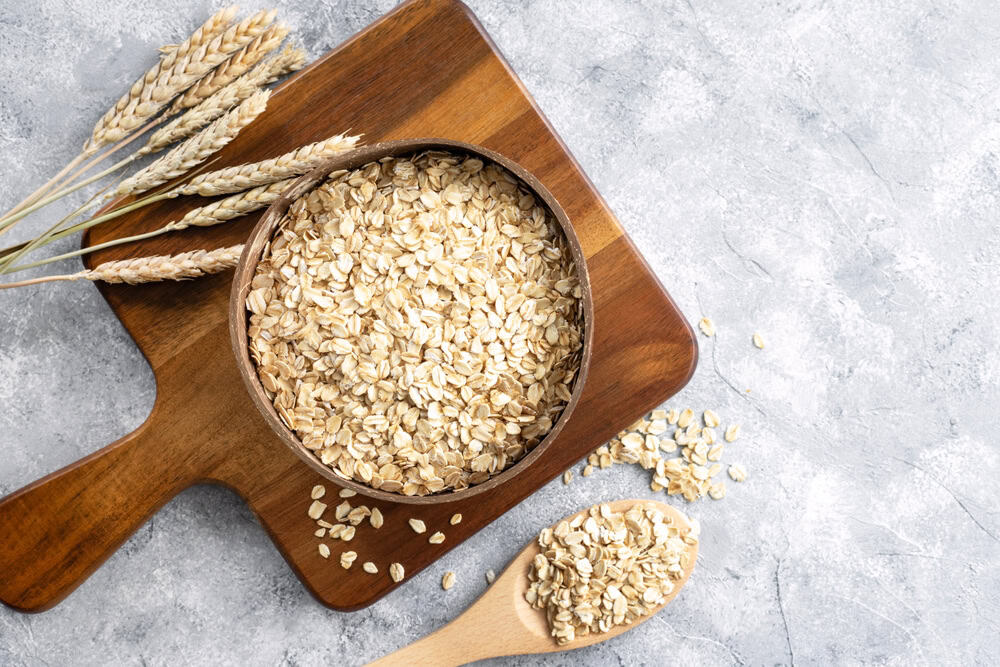
Oats contain beta-glucan (soluble fibre) and can boost beneficial gut bacteria while improving the consistency of your stool. Oats can also help stabilise blood sugar levels throughout the winter months when people tend to decrease their physical activity.
How to use oats?
Oats can be served warm as oatmeal, topped with nuts, used as a savoury dish such as khichdi (a mix of grains), and eaten as porridge and flavoured with cinnamon.
7. Bananas (Slightly Ripe)

Gentle on the digestive system and full of the resistant starch that fuels healthy gut bacteria. They also help manage winter constipation and acidity.
“Slightly ripe bananas are ideal for gut health, especially for people prone to acidity or bloating,” notes Mamta Sharma.
8. Sweet Potatoes (Shakarkandi)

High in both types of fibres (soluble and resistant), as well as sustaining your energy throughout the winter.
How to use sweet potatoes?
Use sweet potatoes to boil, roast, add to salads during the winter, mash into chaat, or incorporate into soup and sabzi. Instead of deep-frying, use baked or steamed methods to help with your gut.
9. Nuts and Seeds (Almonds, Walnuts, Flaxseeds)

A rich source of healthy fats and other nutrients that are beneficial to growing good bacteria in the gut. Almonds help with the growth of lactobacillus in the gut, while flaxseed aids with gut motility, and walnuts promote the growth of diverse microbes in the gut.
Daily serving recommendations:
-Almonds: 5-8 soaked almonds daily
-Flaxseed: 1-2 teaspoons of flaxseed (preferably ground) daily
-Walnut: 1-2 walnuts daily
Eating nuts and seeds after soaking them in water overnight or roasting them lightly can enhance their digestibility and nutrient absorption.
10. Ginger (Adrak)
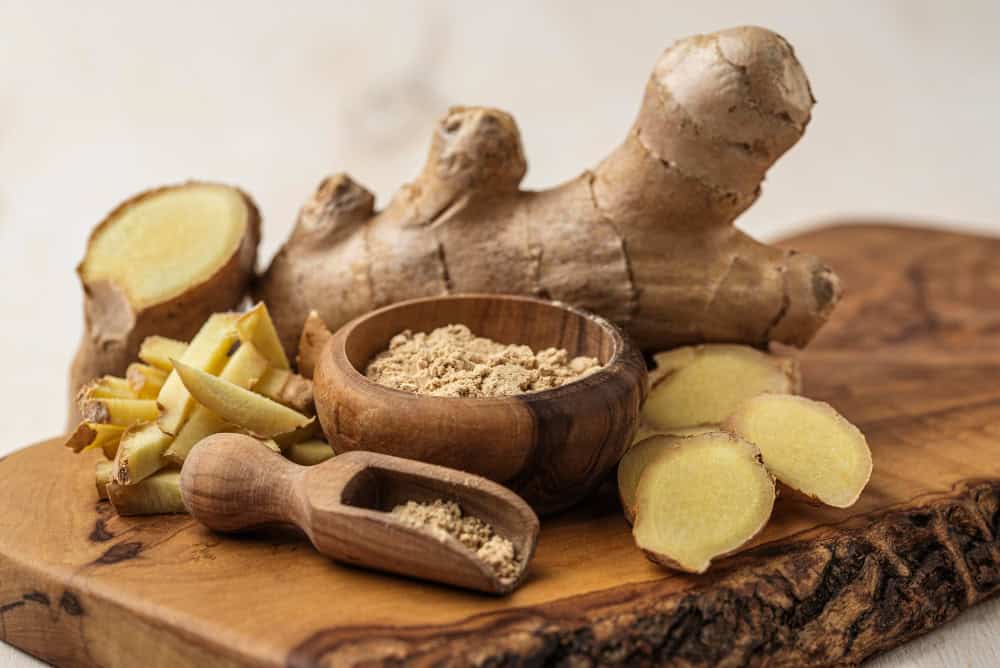
Ginger can be taken as a tea, eaten in small pieces after meals, or used as an ingredient in many dishes. It acts as a digestive aid, enhances gastric emptying, and relieves gas/bloating in the stomach by creating a more friendly environment for healthy gut bacteria. Ginger also contains anti-inflammatory properties and enhances winter digestion.
Final Takeaway

If you’re looking to maintain optimum gut health during the winter months, prioritise non-stimulant foods over supplements. You can enhance digestion, improve immune function, and create a more general feeling of wellness. You can easily incorporate many of the foods mentioned above into your daily diet for long-term benefits.
Try to consume these foods regularly, practice mindful eating habits, and eat them in moderation. Also, avoid excessive spicy or oily foods during winter, as they can increase acidity, bloating, and digestive discomfort.
FAQs
1) Why do people experience decreased digestive capacity in winter?
The lower temperature of winter months causes a decrease in digestion through the reduction of physical activity and body temperature, and therefore the decreased secretion of digestive enzymes and motility of the gastrointestinal tract.
2) Are probiotics better than gut-health-promoting foods?
Food sources are both healthier and more sustainable than supplements. Supplements can be beneficial in the short term, but should only be used with the guidance of a physician.
3) Can people with irritable bowel syndrome consume fermented products?
Some individuals may be able to consume these products, while others may not. Start with very small amounts and speak to your healthcare provider for further advice.
4) Is yoghurt safe to consume every day during the winter?
Yes, as long as you are eating it during the daytime and at room temperature.
5) Does consuming jaggery contribute to an increase in blood glucose?
Jaggery is a sugar-based product and should be consumed in moderation, particularly for individuals with diabetes. In such cases, safer alternatives like monk fruit sweetener, stevia, and date sweetener may be considered after consulting a doctor.
6) How quickly can gut health improve?
You can expect to see an improvement in gut health in 2-4 weeks of consistent dietary changes.
7) Are gut-health-promoting winter foods appropriate for children?
Yes, for children whose age and developmental level are appropriate, most of these foods can be successfully introduced to children.
8) Are there any other foods, apart from those mentioned above, that can help boost gut health in kids?
Consider adding ragi and/or amaranth porridge to your child’s diet. Both ragi and amaranth are high in dietary fiber and other important nutrients, both of which will promote healthy digestion and support healthy gut function in children.
Recommended Reads
(The article is written by Deepa Sarkar, Medical Writer, and reviewed by Monalisa Deka, Deputy Manager, Clinical Health & Content, Medical Affairs)