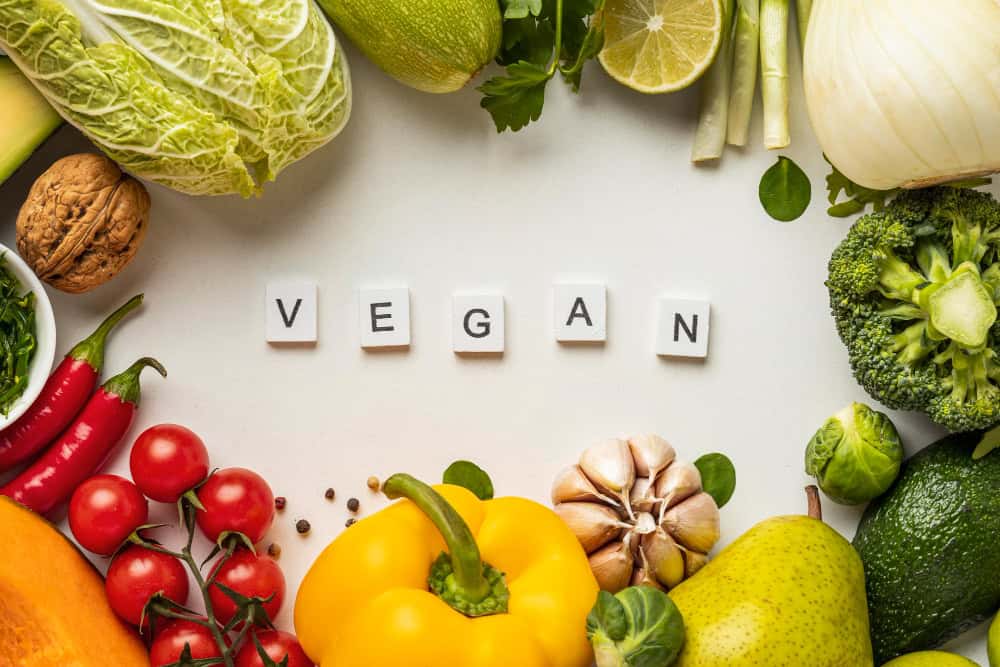
In 2026, as plastic reduction and health awareness grow, food choices are increasingly important. Demand for veganism is rising rapidly as people seek environmental, animal welfare, and personal health benefits, including maintaining a healthy weight.
If you plan to adopt a vegan lifestyle this year, it is achievable to maintain a healthy, balanced diet. However, without proper preparation, you risk nutrient deficiencies, fatigue, and frustration.
Here are 6 things you may want to consider if you’re thinking about going Vegan 2026:
1. Vegan Doesn’t Mean Healthy
Many people mistakenly believe that all vegan foods are healthy. Fruits, vegetables, grains, legumes, and nuts are packed with nutrients. But in 2026, expect to see more unhealthy, highly processed vegan foods like potato chips, desserts, meat alternatives, and other snack items in most grocery stores.
Diets high in:
- White bread
- High sugar plant-based drinks
- Deep-fried vegan snacks
- Processed meat substitutes
Note: The above-mentioned food items may cause obesity and metabolic syndrome. Concentrate on eating mostly whole foods (not overly processed), plant-based products, and limit your dependency on pre-packaged vegan products.
2. Protein Requires Planning
To most people who consider trying veganism, their biggest apprehension is getting enough protein.
While getting enough protein on a vegan diet is totally possible, planning plays a huge part! Plant protein is sometimes incomplete, compared to animal protein, meaning it is often missing certain essential amino acids. The best way to get around this is to eat a wide variety of plant foods.
Examples of great sources of plant-based protein include:
- Lentils
- Chickpeas
- Kidney beans
- Tofu
- Tempeh
- Edamame
- Quinoa
- Nuts and seeds
In 2026, many people will be using plant protein powders, such as pea, rice or soy protein, to help ensure they are getting an adequate protein intake.
Generally, adults require 0.8 to 1 gram of protein per kilogram of body weight; however, many people who are physically active tend to require higher amounts.
3. Vitamin B12 Is Non-Negotiable
The second most important nutrient that you will need to pay attention to on the vegan diet is vitamin B12.
Vitamin B12 occurs naturally in animal products, but if you don’t eat any animal products, you may become Vitamin B12-deficient. A vitamin B12 deficiency can cause:
- Fatigue
- Nerve damage
- Lack of mental clarity
- Anemia
In 2026, health care professionals will recommend that people following strict vegan diets take a vitamin B12 supplement or eat fortified foods containing vitamin B12. This is a critical piece of the vegan dietary puzzle, and many long-term vegans with what appears to be a “healthy” diet could still become vitamin B12 deficient if they do not supplement.
4. Attention Needed for Iron & Calcium
Plant-based diets do include some amount of iron; however, this iron is classified as non-heme iron; therefore, it is much less efficiently absorbed than animal sources of iron.
Here are some ways to improve your absorption of iron:
- Eat iron-rich foods like lentils, spinach, and beans with vitamin C-rich foods (like lemons, amla, or oranges) to improve your absorption of iron.
- Don’t drink tea or coffee right after consuming iron-rich foods.
Calcium is another nutrient to be concerned about. If you eliminate dairy from your diet, ensure that you consume:
- Fortified plant milks
- Tofu set with calcium
- Sesame seeds
- Almonds
- Leafy greens
In 2026, you will find fortified foods to be easier to consume; however, it’s still important to read the label to check the amount of calcium you consume.
5. Gut Health May Improve — But Transition Slowly
Most people say that after they start to eat a more plant-based diet, they have better digestion, feel lighter, and have better bowel movements. This is primarily due to the higher intake of fiber from plant-based sources.
However, many people have sudden increases in fiber that can cause:
- Gas
- Bloating
- An upset stomach
If you are going to start transitioning to a more plant-based diet this year, make sure that you increase your intake of fiber gradually and drink plenty of water to give your gut microbiome the necessary time to adjust.
6. Going Vegan Is a Lifestyle, Not Just a Diet
In 2026, veganism is about more than just food. People adopt a vegan lifestyle for many reasons, including environmental and ethical ones.
Before you commit to going vegan, consider:
- Social situations
- Meal prep
- Label reading
- Planning for travel issues
Without proper planning, transitioning to a vegan diet can seem overwhelming. Making the transition gradually, such as “Meatless Monday” or a plant-based breakfast and lunch, can help ensure that your transition is long-lasting.
Is Vegan Healthy for Weight Loss?
A well-balanced vegan diet is effective for weight loss as it contains:
- More fiber
- Fewer calories
- Less saturated fat
Keep in mind that junk food still exists within the vegan diet and could contribute to weight gain. Ultimately, weight loss is determined by caloric consumption and the quality of the food being consumed.
Who Should Be Extra Careful?
It is a good idea to consult a healthcare provider for the following groups before beginning a vegan lifestyle:
- Women who are pregnant or nursing
- Diabetics
- Individuals over 50 who already have documented deficiencies
- Individuals recovering from illness
- Individuals with iron deficiency anemia
Regular blood tests in 2026 are easily accessible and help monitor B12, iron, and vitamin D levels. Book your lab test conveniently from home with Tata 1mg.
Tap here to schedule now!
How to Start Smart (as a Vegan) in 2026?
If you are choosing to go vegan this year, consider the following:
- Transition gradually
- Plan your protein intake
- Take your Vitamin B12 supplement seriously
- Eat a variety of whole foods with a variety of colours
- Be consistent, not perfect.
Final Takeaway
Adopting a vegan diet in 2026 can have positive effects on both health and the environment, but it is essential to adopt this approach thoughtfully. Transitioning from a diet that contains no animal products is not done overnight. Eating habits that create a balanced approach to food and preparing nutritionally for your body is necessary.
Preparation is the most important part of a successful transition to a vegan lifestyle. When you research protein sources, how much nutritional supplementation you will need, and how to plan balanced meals, you will find that a vegan lifestyle can be healthy, sustainable, and provide lots of energy.
Be sure to check with your health care provider (i.e., doctor/nutritionist) before making any major dietary changes.
FAQs
- Is it safe to go vegan suddenly?
It is generally safer to transition to a vegan diet gradually. Your body and digestive system may need time to adjust to new foods.
- Do vegans get enough protein?
Yes, through proper planning and a variety of foods, you will have enough protein from legumes, tofu, nuts, and grains to meet your protein requirements.
- Will vitamin B12 supplementation be needed in 2026?
Strict vegans will continue to need B12 supplementation or regularly consume B12-fortified foods in 2026.
- Can a vegan diet result in hair loss?
If a person does not consume sufficient protein, iron, or vitamin B12 as part of their vegan diet, they may experience hair loss.
- Is a vegan diet beneficial for weight loss?
A vegan diet can help with weight loss as long as it is based on whole foods and balanced portions.
- What are some examples of food sources that contain calcium for vegans?
Fortified plant milks, sesame seeds, tofu, almonds, and leafy greens.
- Is following a vegan diet healthy for your gut?
A higher fibre intake from a vegan diet can help to promote gut health; it is important to transition gradually to a vegan diet in order to minimise symptoms such as bloating and gas.
- Should seniors adopt a vegan diet?
Yes, they should adopt one, but only under the supervision of a doctor, and have their nutrient levels monitored regularly.
Recommended Reads
6 Seeds for Weight Loss You Should Start Eating Today
7 Indian Fat-Burning Drinks That Can Melt Belly Fat Naturally
(The article is written by Deepa Sarkar, Medical Writer, and reviewed by Monalisa Deka, Deputy Manager, Clinical Health & Content, Medical Affairs)