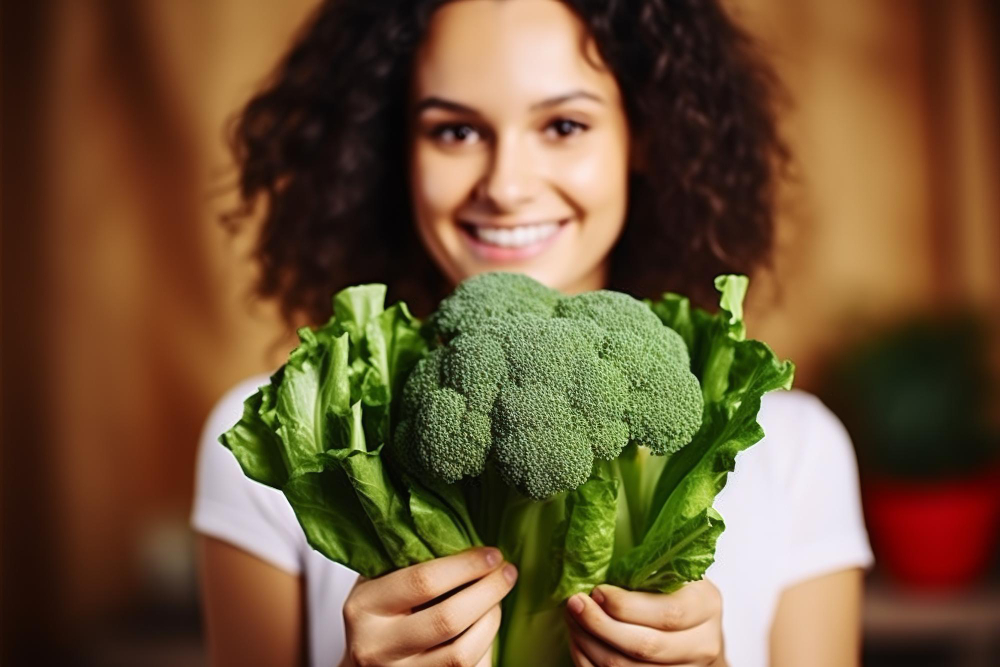
It may not be the most exciting vegetable on your plate, but rest assured, broccoli has earned its spot as an essential superfood. Loaded with vitamins, fibre, and antioxidants, this little green veggie helps build immunity and supports digestive function, among other benefits. However, once properly cooked and consumed the right way, you can maximize its benefits. Nevertheless, does broccoli suit everyone equally? Are there any precautions to take? Prior to incorporating it into your diet, it is crucial to understand all the necessary information about it.
Broccoli Health Benefits
Improves Digestive Health
Broccoli contains high amounts of fiber that are vital when it comes to ensuring that one has good digestive processes. Fiber helps in maintaining regular bowel functions and protects one against constipation. Besides, it promotes the growth of beneficial microorganisms in the intestines. Additionally, broccoli has bioactive compounds that protect the stomach lining against any potential damage and minimize digestive disorders. In addition to this, antioxidants in broccoli enhance digestive health because they reduce inflammation in the digestive tract.
Supports Heart Health
People with high cholesterol are often at risk for serious heart health issues. With high LDL levels, there is the potential for the formation of fatty deposits within the walls of the arteries, which could lead to the development of heart diseases, including heart attacks or strokes. This is where broccoli comes into play as a healthy food choice. It controls cholesterol levels by reducing LDL and triglyceride levels while increasing HDL. Besides, there are also antioxidants present in broccoli, including sulforaphane, which work to reduce oxidative stress and inflammation. Finally, potassium helps to regulate blood pressure by regulating sodium content in the body.
Strengthens Your Immunity
Numerous minerals in broccoli, such as zinc, beta-carotene, and vitamin C, boost immune system function. Broccoli has more vitamin C than oranges. A cup of green cruciferous vegetables contains around 81 mg of vitamin C, which boosts the development and activity of white blood cells, assisting your body in fighting illnesses. It also contains beta-carotene, which protects immunological cells against harm. Meanwhile, antioxidants found in broccoli, such as sulforaphane and indole, regulate detoxification enzymes, which protect cells. Together, these components help the body respond more effectively to infections, decrease inflammation, and promote speedier recovery from diseases, making broccoli an important immune-supporting meal.
Helps Blood Sugar Management
Broccoli has a low glycemic index, which means it does not trigger a sudden rise in blood sugar. Meanwhile, the high dietary fiber content reduces sugar absorption and improves insulin sensitivity. As a result, it helps manage fasting blood sugar, lowering your chance of developing Type 2 diabetes. So, if you want to balance your blood sugar levels, eating broccoli on a routine basis is a tasty and nutritious way to do so.
Protects Your Eyes
Because of its high vitamin A content and antioxidants like lutein and zeaxanthin, broccoli is a great complement to a diet that strives for optimal eye health. Research suggests that lutein and zeaxanthin, both carotenoids, may aid in retinal oxidation and age-related eye deterioration. Meanwhile, vitamin A, which is found in broccoli, promotes healthy eye function and night vision. The combination of these nutrients promotes clear and healthy vision over time.
Steamed vs. Raw Broccoli: Which Has More Benefits?
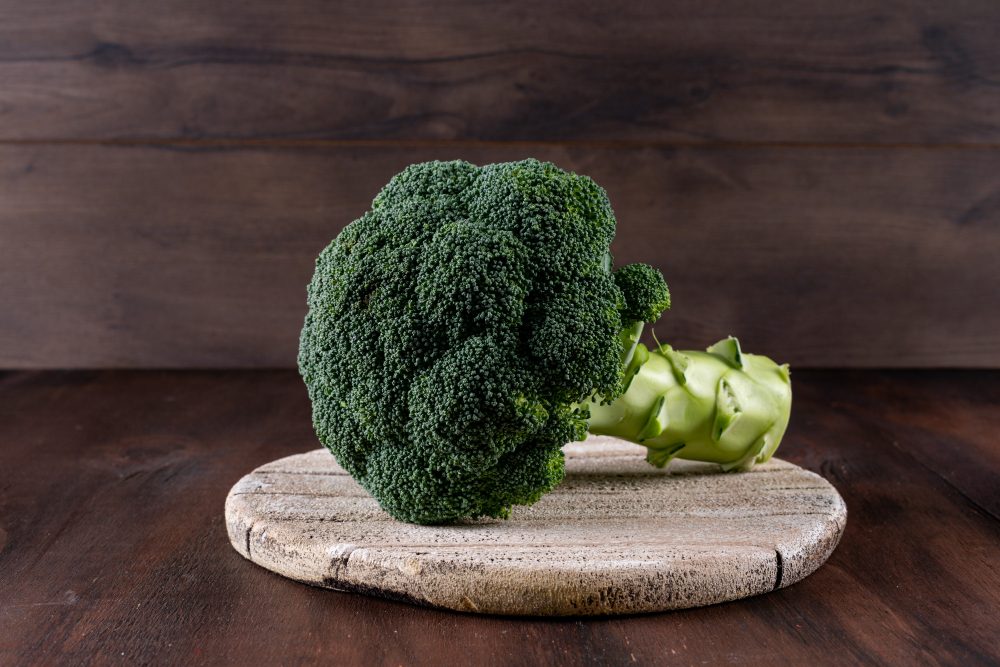
Both raw and steamed broccoli provide significant health benefits, although their nutritional profiles differ significantly. Raw broccoli has the most vitamin C and myrosinase activity, however gentle steaming increases sulforaphane absorption, making it an ideal choice for rapid antioxidant effects. While prolonged heat kills myrosinase, light steaming maintains the enzyme and permits the formation of sulforaphane.
Many experts recommend steaming broccoli for three to five minutes to maximize the balance between chemical activation and nutritional retention. Steaming retains most vitamins and increases the bioavailability of important compounds. Incorporate both raw and mildly steamed broccoli recipes into your diet for maximum advantages. Steamed broccoli is a great addition to major meals, while raw broccoli is great in salads and crudés.
What’s The Best Time To Eat?
Timing your broccoli consumption can enhance its health benefits. Including it with meals containing healthy fats, such as lunch or dinner, improves absorption of fat-soluble vitamins A and K. The nutrients work synergistically with other foods, making it ideal for balanced meals.
Consistency matters more than specific timing when maximising broccoli’s benefits. Regular weekly consumption supports immune, cardiovascular, and detoxification functions through nutrient and antioxidant synergy. Many nutritionists recommend consuming broccoli 2-3 times weekly as part of a varied diet.
Is Broccoli Safe for Everyone?
Broccoli is a safe and healthy food choice for most people. However, you might be told to limit your intake of brassica vegetables if you have a thyroid condition. This is because these veggies may prevent the absorption of iodine, which is required for thyroid hormone synthesis. However, it is important to note that this would only be an issue if you ate a sizeable amount and consistently.
Additionally, because broccoli is a high-fiber vegetable, some people may have gas and bloating. This is particularly true for persons who have ulcerative colitis, Crohn’s disease, or inflammatory bowel disease (IBD). Your doctor or dietitian may advise you to limit the consumption of vitamin K-rich foods, like broccoli, in your diet if you take a blood thinner, such as warfarin, to make sure you regularly consume the same levels. It is always a good idea to speak to your doctor or dietician before making any big changes in your dietary routine.
(The article is written by Ehsan Siddiqui, Team Lead and reviewed by Monalisa Deka, Deputy Manager, Clinical Health & Content, Medical Affairs)
Recommended Reads:
Stay Cool, Hydrated, and Energised With These Summer Foods
Protein for Vegetarians: 7 High-Protein Foods That Are Not Paneer