
If you’re a pet parent, deworming is probably already on your radar, but between work, life, and everything in between, it quietly slips off the to-do list. No judgment, we get it. This one’s a quick, no-fluff read to help you stay on top of it, because your pet definitely can’t remind you themselves.
The One Thing You Know You Should Do But Keep Forgetting
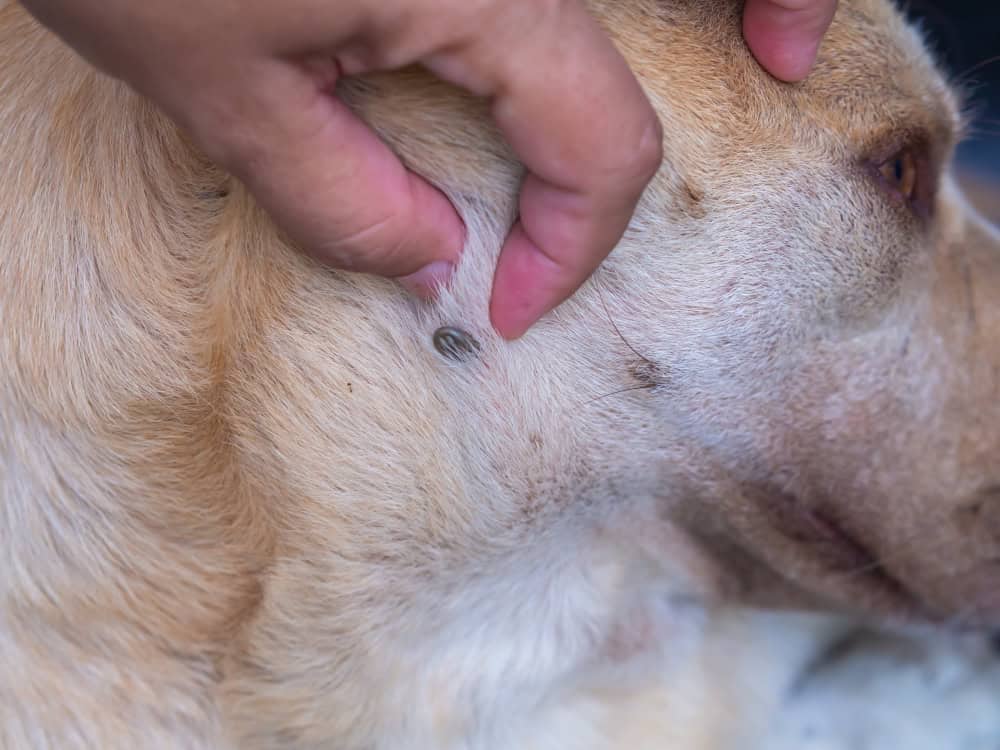
You already know your pet needs deworming, but it’s easy to let it slide when life gets busy, and honestly, we’ve all been there. Deworming is basically the process of clearing out internal parasites, think roundworms, tapeworms, hookworms, and whipworms, that can set up camp in your pet’s gut without you even realising it.
The tricky part? These parasites can quietly affect your pet’s health long before any visible symptoms show up. Your pet could look perfectly fine on the outside while dealing with a full-blown infestation on the inside. And it’s not just a pet health issue; some of these worms are zoonotic, meaning they can transfer to humans, too, especially kids. Staying on top of deworming is one of the simplest things you can do to keep your furry one thriving and your whole household safe.
Give them the care they can’t ask for! Shop now!
Wait… Is That a Sign? Here’s What Your Pet Might Be Telling You
Even the most experienced pet parents can miss the early signs; they’re easy to brush off as just an off day. Watch out for:
- A dull or rough coat
- Low energy or less playfulness than usual
- Random vomiting or a sudden dip in appetite
- Bloated or pot-bellied appearance
- Rapid weight loss despite eating well
- Worms or worm segments in stool or vomit
- Scooting across the floor
Some pets also develop diarrhoea or show signs of anemia in more severe cases. That gut feeling you get as a pet parent? Don’t ignore it if something feels off; skip the wait-and-watch and just get it checked. Catching it early always makes treatment quicker and easier.
The Deworming Calendar You Actually Need to Bookmark
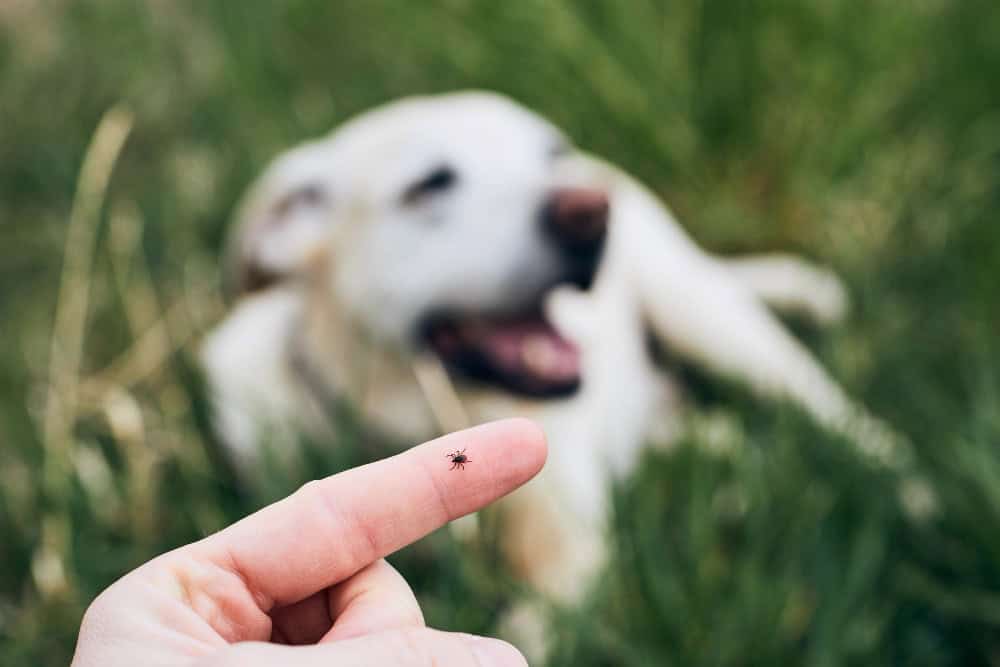
If you’ve had pets for a while, you probably know the basics, but a quick refresher never hurts.
For puppies & kittens:
- Start as early as 2–3 weeks of age
- Repeat every 2 weeks until 3 months old (as recommended by the American Association of Veterinary Parasitologists) [1].
- Then deworm monthly until they hit 6 months [2].
For adult dogs & cats:
- Every 3 to 6 months is the general recommendation
- Outdoor pets or those who socialise frequently may need it more often
- Hunting cats are at a much higher risk than strictly indoor ones [3].
This isn’t a one-size-fits-all situation, though. You know your pet’s lifestyle best; factor that in, and when in doubt, your vet can help you nail down the right frequency.
Set It, Don’t Forget It: Staying Consistent Without the Stress
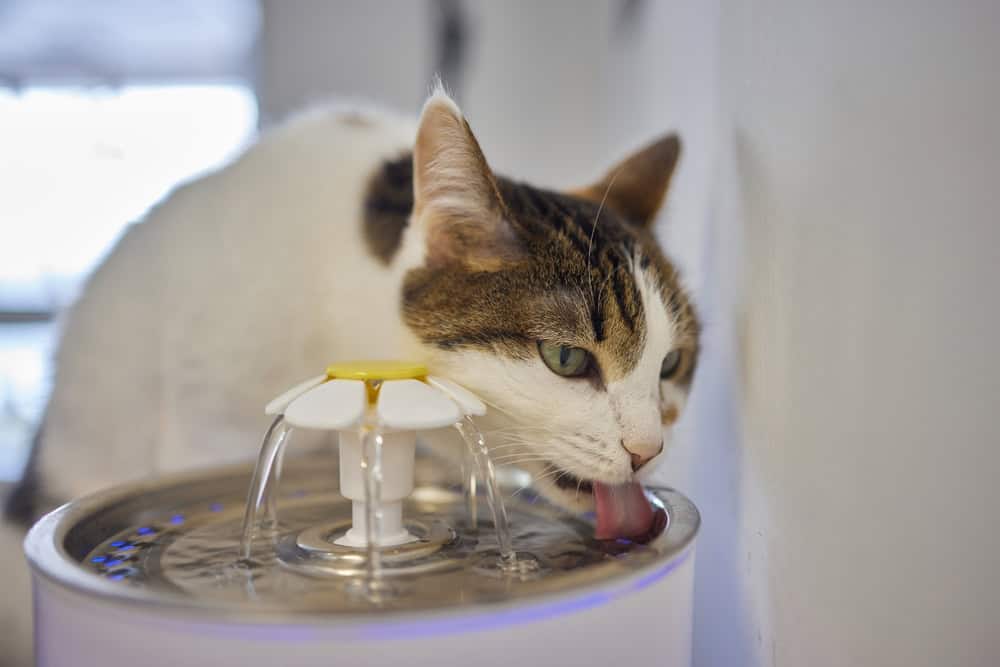
Most pet parents don’t skip deworming on purpose; it just quietly falls off the radar. A few things that actually help:
- Set a recurring phone reminder. Once it’s in your calendar, you barely have to think about it
- Bundle it with something you already do, a grooming session, flea treatment day, or monthly vet visit, works great
- Call your vet when in doubt. The right dosage, product, or frequency for your pet’s weight and lifestyle is always worth a quick two-minute check-in
Seriously, that’s it. Small habits, big differences.
Because your pet deserves extra love! Shop essentials now!
The Thing Nobody Tells You Until Now
This is the section worth reading twice.
1. One round isn’t enough: Reinfection can happen fast, especially for outdoor pets or those in multi-pet homes. Deworming clears the current infestation, but it doesn’t protect going forward. Regular schedules exist for a reason.
2. Hygiene matters more than you think: Parasite eggs can survive on food bowls, bedding, soft toys, and even garden soil for surprisingly long periods. Keep your pet’s space clean and wash their belongings regularly.
3. Fleas and worms are a package deal: Fleas are one of the most common carriers of tapeworms. If your pet ingests even one infected flea while grooming, that’s enough to trigger an infestation. Deworming without flea control is really only solving half the problem.
4. All pets need to be treated at the same time: It’s very common to treat one pet and forget the others, but worms transfer easily between animals sharing the same space, bedding, or water bowl. Treat everyone together, or the cycle just continues.
References
1. American Association of Veterinary Parasitologists (AAVP). American Association of Veterinary Parasitologists [Internet]. 2026 [cited 2026 Apr 2]. Available from: https://www.aavp.org
2. Revival Animal Health. Revival Animal Health [Internet]. 2026 [cited 2026 Apr 2]. Available from: https://www.revivalanimal.com
3. Windermere Veterinary Services. Windermere Veterinary Services [Internet]. 2026 [cited 2026 Apr 2]. Available from: https://windermerevetservices.com
(The article is written by Mantasha, Sr. Executive, Clinical Health & Content, and reviewed by Monalisa Deka, Deputy Manager, Clinical Health & Content, Medical Affairs.)