Feeling a little slower, sleepier or just off this winter? You are not alone. Sometimes, fewer outdoor movements, cold weather, breezy air and shorter daylight can really impact your mood and energy levels. Though cosy blankets are helpful, what you eat can significantly make a big difference too.
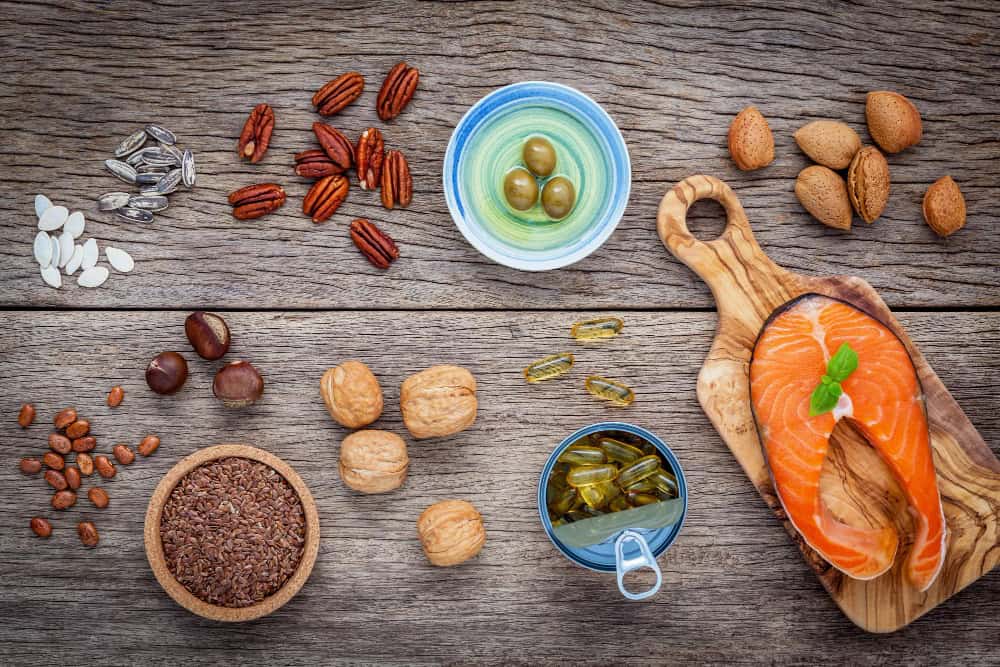
But don’t worry, certain foods or meals can naturally boost your mood. They support certain brain chemicals, such as dopamine and serotonin. These are feel-good messengers which are linked to motivation, calmness and happiness. Nutrients such as vitamin D, omega-3 fatty acids, magnesium and vitamin B complex become quite essential to maintain physical energy levels, mental calmness and infection resistance, especially in winters when sun exposure drops.
Simple delicious recipes packed with these nutrients can bridge this gap. From breakfast toast to dinner wraps, these 7 recipes nourish both your body and mind.
Instead of relying on sugary snacks and energy drinks, include nutrient-rich meals in your daily routine.
Why Does Food Matter for Mood in Winters?
Winter often causes:
– Low vitamin D levels – due to reduced sunlight
– Slower metabolism – because of less physical activity
– Increased tiredness
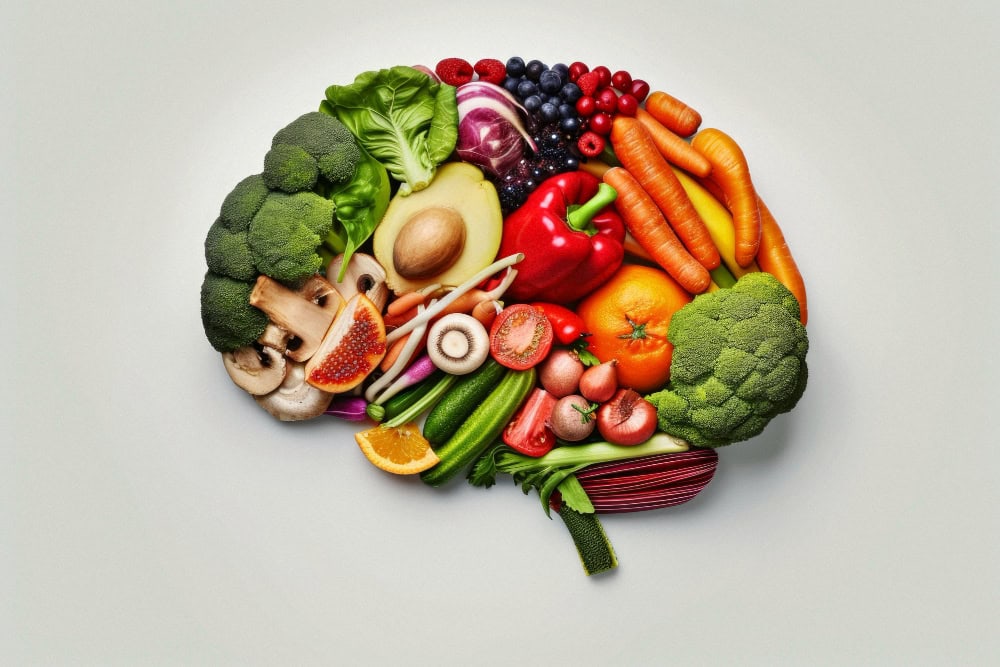
To combat these, vitamin B complex, C, D, magnesium, folate and omega-3 fatty acids support brain health, control stress hormones, improve sleep cycles and enhance energy levels.
Know How Food Boosts Your Mood
The food you eat can directly affect how you feel throughout the day. Fresh fruits, seasonal vegetables, and lean proteins help the brain secrete neurotransmitters like serotonin and dopamine. These are called ‘feel-good chemicals’ that provide steady energy and support happiness, motivation and emotional balance.
On the other hand, sugary and highly processed foods give a mood lift but are temporarily followed by a sudden sugar crash. If you crave sweets, you should pick a healthier option like dark chocolate to satisfy sweet cravings.
Below are the easy, comforting winter food recipes using science-backed ingredients to beat the winter blues and to keep the soul warm.
1. Omega-3 Rich Salmon
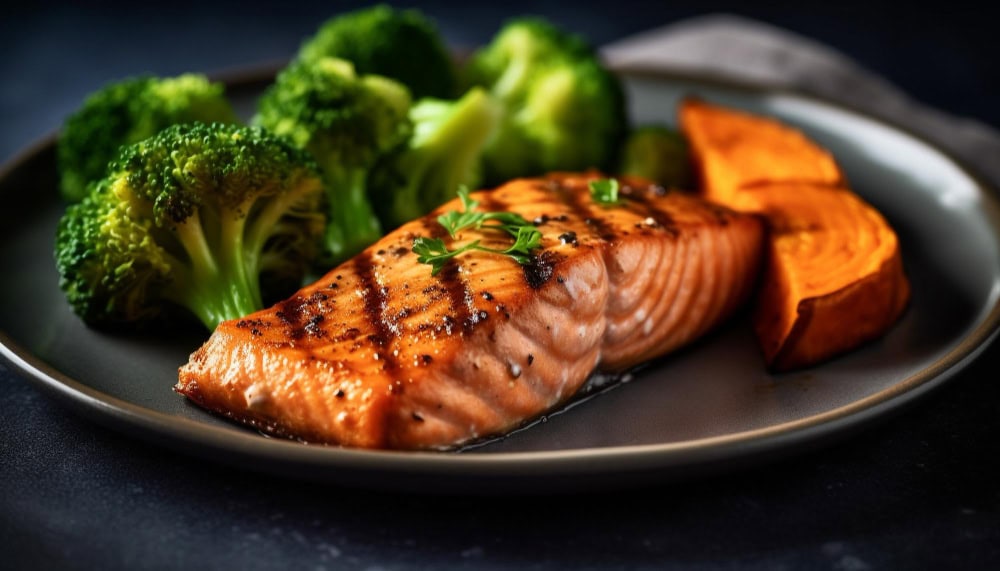
Salmon and other fatty fishes improve the secretion of serotonin and dopamine hormones. These hormones are important for regulating mood, boosting motivation, and keeping you calm and steady. Additionally, salmon is also a great source of vitamin D, which many people don’t get enough of in winters due to lack of sunlight.
Recipe idea:
You can have a bowl of grilled salmon along with roasted vegetables such as broccoli, and zucchini. You can also toss this in olive oil with garlic and herbs of your choice to enhance the taste.
2. Citrus and Berry Smoothies
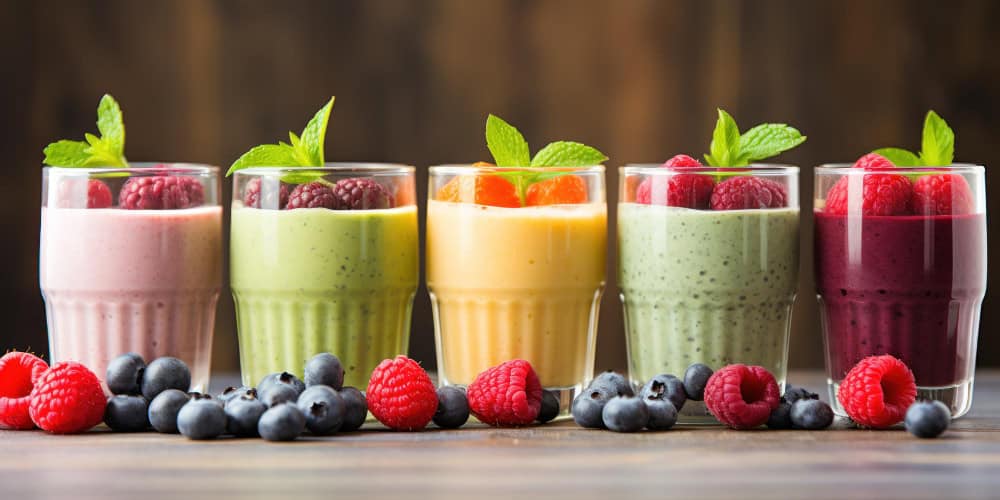
Citrus fruits are also called liquid sunshine. Citrus fruits such as oranges, amla, lemons, grapefruits, and kiwis are excellent sources of vitamin C and minerals that help strengthen immunity and keep your skin smooth and glowing. Cherries and dark berries are rich in antioxidants and folate. These nutrients promote the serotonin and dopamine hormones, which are essential for regulating the sleep-wake cycle.
Try it this way:
You can blend citrus fruits and berries along with yoghurt to make refreshing, delicious yet energising winter smoothies.
3. Leafy Green Vegetables
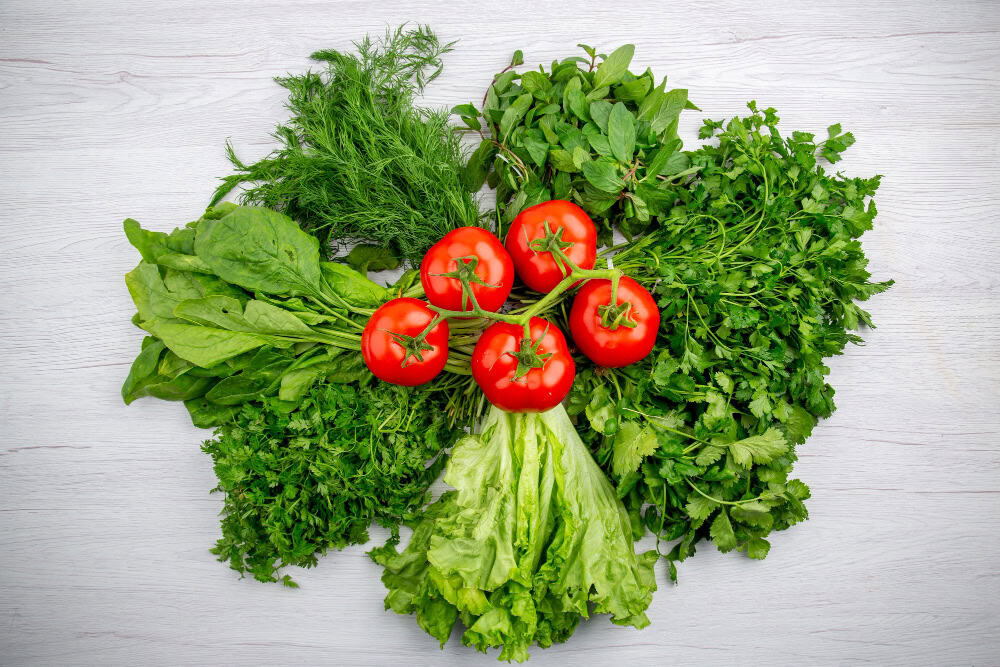
Green leafy vegetables such as sarson, bathuaa, spinach, kale, methi, and broccoli are rich in magnesium, potassium, and calcium minerals. These green veggies help regulate stress hormone levels and support healthy sleep. Additionally, these green vegetables are a natural source of folate, which promotes brain and heart health.
How to include it:
You can make sarson ka saag by adding sarson, bathuaa and spinach leaves. Add stir-fried garlic, ginger, onion and any spices of your taste. You can also add ghee for extra nutrients and flavour.
You can also make smoothies, healthy soups or paranthas out of these green leafy vegetables.
4. Mushroom-Based Dishes
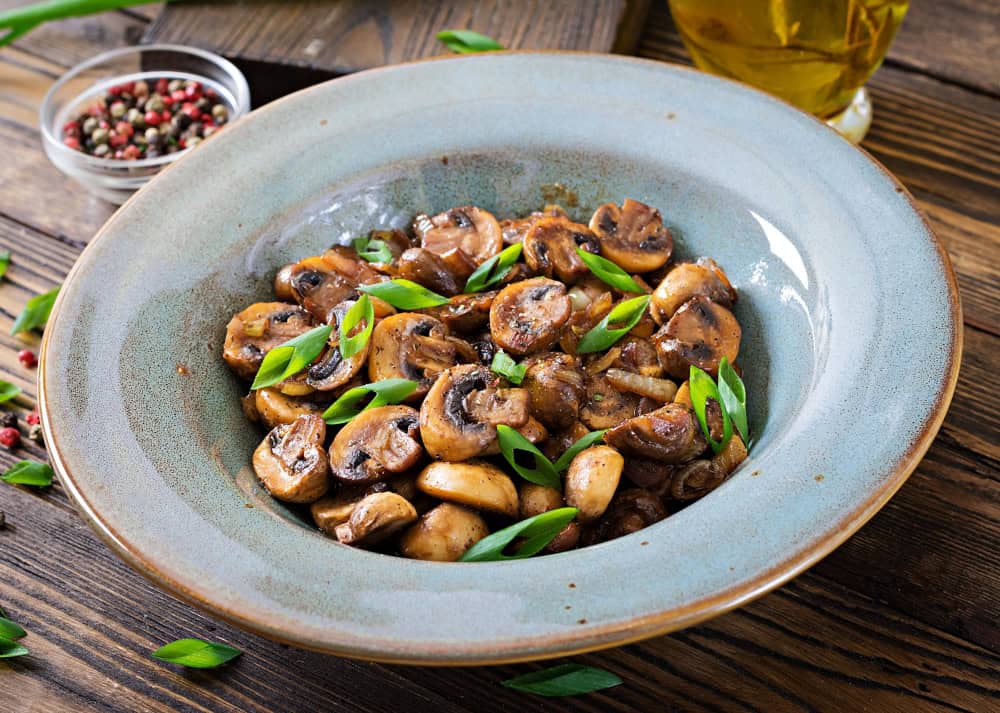
Mushrooms are particularly beneficial in the winters, as they provide vitamin D equivalent to a daily supplement. Mushrooms also contain B vitamins such as riboflavin and niacin, which support energy levels and mood lifts.
Ways to use it:
You can add mushrooms to soups or stir-fry them along with other seasonal veggies and herbs of your choice. You can also enjoy a quick toast with mushroom topping and cheese.
5. Turmeric Golden Milk (Haldi wala doodh)
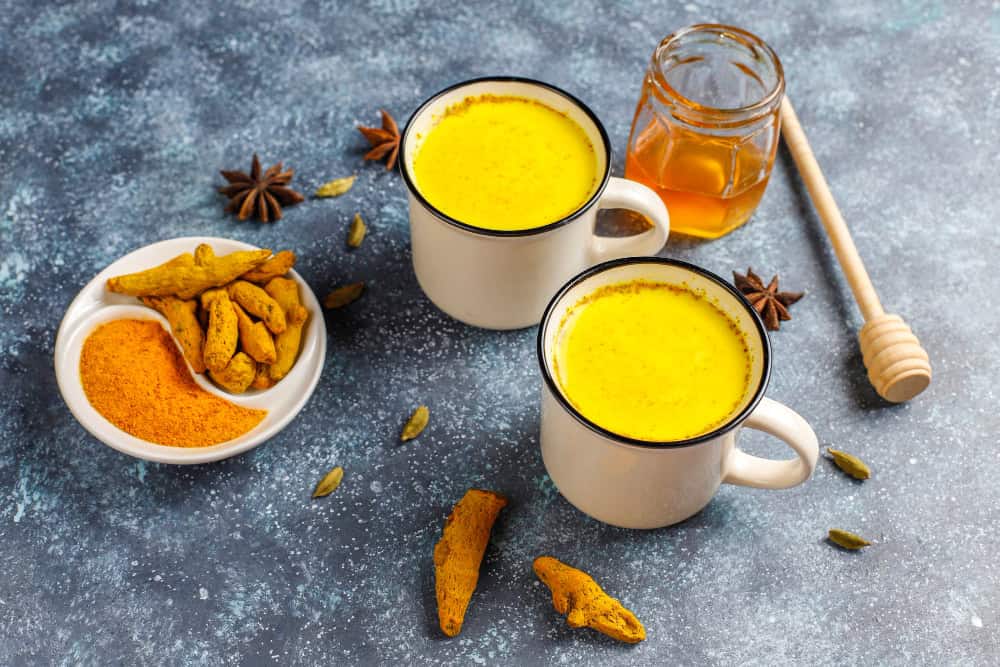
Turmeric contains curcumin, a natural booster known for reducing inflammation and supporting brain health. It also supports the production of feel good chemicals such as dopamine and serotonin. Sipping this warm milk realy helps in relaxation and good sleep.
Easy way to enjoy:
Heat the milk in a saucepan, and add a pinch of turmeric powder or grate half an inch of raw ginger. You can also add a pinch of black pepper and honey for a taste enhancement. Give it a whisk and enjoy the frothy drink and feel-good vibes in cosy winters.
6. Dark Chocolate Banana Bites
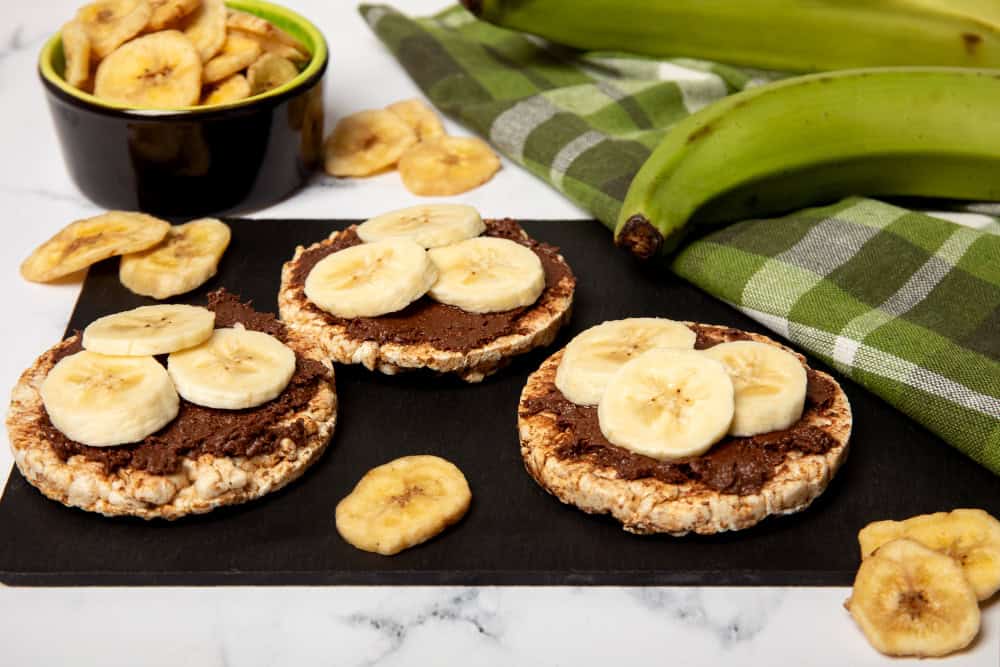
Dark chocolate is a natural mood booster; it stimulates serotonin and endorphins. These are the chemicals which, when secreted by the body, promote relaxation and give a feeling of euphoria (joy & happiness). Bananas provide vitamin B6, fibre, potassium, tryptophan and natural sugars to give instant energy.
Recipe idea:
Add banana slices in melted chocolate and sprinkle a variety of nuts of your choice, such as almonds, cashews, apricots, and chocolate chips. Place it on a greased tray and freeze it for 3-4 hours until set.
7. Nut-Packed Energy Snack
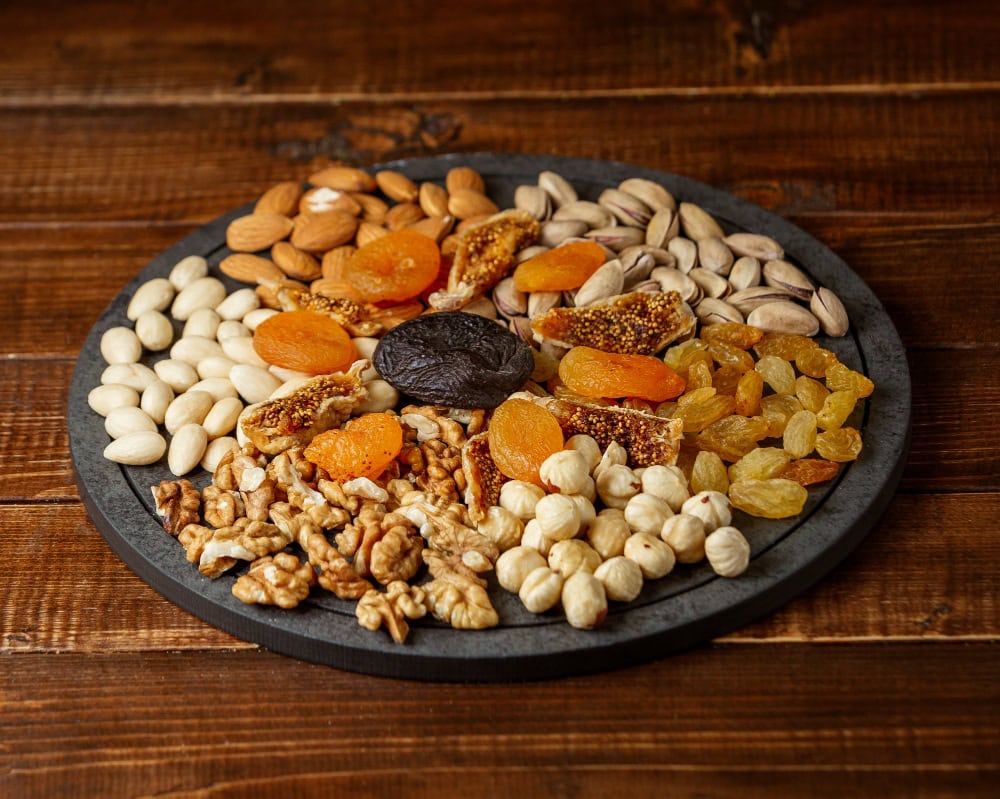
Magnesium deficiency is very common in winters. It can cause symptoms such as tiredness, muscle tightness, poor sleep, muscle stiffness and subtle mood fluctuation. Nuts such as walnuts, almonds, pistachios, and pecans are excellent sources of magnesium. Eating them regularly helps relax the body and calm the mind.
Quick kitchen tip:
For a simple mood-boosting snack, spread nut butter on toast and add nuts to salads. You can also make a homemade mix with dried fruits, nuts, berries and dark chocolate. It provides steady energy without a sudden sugar crash.
FAQs
Q: What is the role of diet that affects brain chemicals?
A: Certain nutrients such as omega-3 fatty acids, vitamin B6, folate and magnesium support brain health. They help the brain to produce feel-good chemicals such as serotonin and dopamine. These chemicals play a significant role in mood, mental health and motivation.
Q: How do sugary and processed food items impact mood in the long term?
A: Highly processed foods can cause sudden sugar spikes in blood followed by sudden sugar crashes. This impacts mood levels, increases tiredness and food cravings.
Q: Are mood-boosting foods safe to consume every day?
A: Yes, but it should be consumed as a balanced diet, in adequate proportion.
Q: Does food quality impact sleep quality?
A: Indeed. Balanced meals and regular eating patterns are important for the body’s sleep-wake cycle. It improves sleep quality over time, not instantly.
Q: What are the best healthy snacks during work?
A: Portable snacks such as a mixture of nuts and dried berries, dark chocolates, and fruits help maintain energy and prevent false hunger cravings.
Q: How does lack of vitamin D impact mental health in winters?
A: Vitamin D levels usually drop during winters due to less exposure to sunlight. This can affect mood and energy levels. That is why it is necessary to conclude vitamin D-rich foods, it supporta emotional well being and compensate for seasonal deficiency.
(The article is written by Nancy Dixit, Subject Matter Expert, and reviewed by Monalisa Deka, Deputy Manager, Clinical Health & Content, Medical Affairs)
Recommended Reads:
7 Science-Backed Winter Superfoods to Enhance Immunity and Fight Seasonal Infections
5 Red Flags That Signal Ultra-Processed Packaged Foods