
Sharp pinching pain in your lower back that stretches to your legs and tingling that doesn’t go away, making it difficult to perform essential functions like sitting and walking. It might be sciatica. Although it may start as an occasional twinge near the buttocks, it can turn into a pain so sharp that it can make everyday movements feel like torture. From lifting something heavy to falling or sitting the wrong way for a long time, there can be many reasons behind the start of sciatica pain. While in most cases the pain improves in 4-6 weeks, sometimes it can linger like an unwanted guest, making your everyday life difficult. Join us as we discuss what sciatica pain really is and potential reasons why it sometimes just doesn’t go away.
What is Sciatica Pain?
Sciatica is not a disease; it refers to sharp, shooting pain going from your buttocks to one or both legs caused by irritation or compression of the sciatic nerve. Sciatic is the longest nerve in the body, running downward from your hips to each leg. It is the largest nerve, with about 2 cm in diameter, roughly around the width of your pinky finger.. Commonly called sciatica pain, the clinical name for this condition is lumbar radiculopathy. Patients often describe sciatica pain as electric shocks or burning sensations. Some people experience a dull aching that intensifies when they move.
In addition to pain, it can cause tingling or numbness in your back or buttocks, which may travel down your leg. Leg discomfort can significantly impact your quality of life, making it difficult to stand and sit. The pain can worsen if you sit, sneeze, or cough. Sciatica can appear suddenly or advance gradually. You may also have weakness, numbness, or a burning or tingling sensation down your leg, possibly including your toes. Many people heal in a few weeks, but some may continue to experience sciatica symptoms for up to a year.
Why Does Sciatica Pain Happen?
Sciatica pain usually begins when something puts pressure on the sciatic nerve in your body. In most cases, the cause is a herniated disc, in which the soft inner substance of a spinal disc pulls out and presses against a nerve. Additionally, bone spurs, which are additional growths of bone caused by arthritis or age-related degeneration, can reduce the area around the nerve, resulting in compression.

Furthermore, this pressure can arise unexpectedly, such as after lifting a heavy object or performing an awkward movement. Prolonged sitting with bad posture can also irritate and compress the nerves. Sciatica can occasionally worsen during pregnancy, following an injury, or during times when physical activity is decreased.
Why Is Your Sciatica Pain Not Going Away?
As we discussed above, in most cases, pain caused by the compression of the sciatic nerve alleviates in a span of a few weeks. But if the pain continues for over a month despite treatment, there might be one or more of the following reasons behind it.
Injury & Re-injury
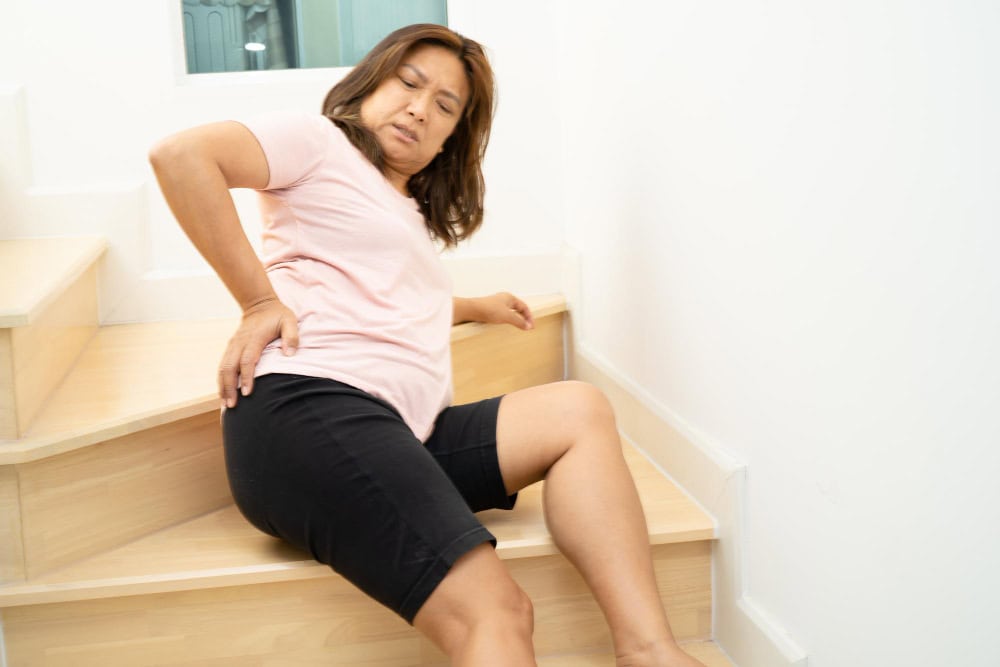
If your sciatica was caused by an accident, and your symptoms improved before worsening, you may have re-aggravated the same injury. Sudden traumas and repetitive overuse injuries can cause sciatic pain to persist for prolonged periods of time. Herniated or slipped discs in the lower spine are the most common cause of sciatica lasting longer.
Infections
An infection or infectious health issue can sometimes cause sciatica symptoms to last longer. A collection of pus that forms between your spine’s bones and the spinal cord’s membrane is known as an epidural abscess, which is extremely uncommon but serious. . In rare situations, it may cause swelling and put pressure on your nerves, resulting in sciatica.
Wear & Tear
Spinal wear and tear caused by aging or a condition such as osteoarthritis can lead to a condition called spinal stenosis. The condition is marked by a narrowing of the gaps within the spine. Thickened tissues and bone spurs can produce compression that narrows the canal, potentially damaging the sciatic nerve and resulting in sciatica pain, which might take longer to heal.
Underlying Health Issues
In general, young and healthy people heal faster than the elderly or those with chronic conditions. This is because underlying chronic problems such as diabetes, heart disease, obesity, and hypertension can all slow your body’s ability to recover, thus delaying the healing process of sciatica.
Lifestyle Habits
Sciatica frequently responds to mild exercise and physical therapy. Mobilizing the sciatic nerve is believed to help relieve symptoms by reducing nerve sensitivity. Gentle stretching and exercise may be prescribed as part of the treatment. Alternatively, a sedentary lifestyle and excessive sitting could lead to sciatica symptoms lasting longer.
Tumor or Spinal Mass
In rare instances, a malignant growth can compress your sciatic nerve, exacerbating sciatica symptoms. A malignant peripheral nerve sheath tumor is an extremely uncommon kind of tumor that can occur. It can lead to sciatica pain sticking around longer.
Managing Sciatica Pain and When to See a Doctor!
Sciatica management requires a combination of self-care measures, lifestyle changes, and medical advice. Leading an active lifestyle can help relieve nerve strain and strengthen the muscles that support the spine. If they do not interfere with your pain, stretching, strolling, and low-impact workouts such as yoga can all help with recovery.
It is also important to be careful of your posture while sitting, standing, or sleeping, which may also assist in preventing extra nerve pain. Heat and cold therapy are simple yet effective ways to reduce inflammation and relieve tight muscles. While over-the-counter anti-inflammatory medicines can provide temporary comfort, they should not be used instead of treating the underlying problem.
Remember, if your condition doesn’t improve or the pain keeps getting worse over a couple of weeks, you should see a doctor. If you experience numbness around the groin and weakness in your legs, it is best to take professional advice and follow the course of treatment as advised. Some other indications of underlying issues when you need prompt medical care are having trouble controlling bowel or bladder functions.
FAQs
What is sciatica pain?
Sciatica is the pain or discomfort caused by irritation or compression of the sciatic nerve. It is a shooting pain that resembles a burning sensation.
How do I know if my pain is sciatica and not regular back pain?
Sciatica pain typically radiates down one leg and may include tingling, numbness, or weakness. Regular back pain usually stays in the lower back.
How long does sciatica take to heal?
In most cases, sciatica takes about 4-6 weeks to heal with or without the treatment. However, the recovery time can also depend on the specific treatment, the severity of your symptoms, their cause, etc.
How is sciatica treated?
Most doctors advice short periods of rest combined with early, gentle movement along with physical therapy, and the use of pain and inflammation medications.
What is the best position to sleep in with sciatica?
You can try sleeping on your back with a pillow under your leg. Or if you prefer to sleep sideways, you can tuck a soft pillow between your legs. This reduces pressure on the spine.
(The article is written by Ehsan Siddiqui, Team Lead and reviewed by Monalisa Deka, Deputy Manager, Clinical Health & Content, Medical Affairs)