
No two women with PCOS are the same. You may have oily skin, acne, and irregular cycles. Someone else may have heavy periods, normal skin, and sudden weight gain that doesn’t match how she eats or moves. Another woman may never notice symptoms until she tries to conceive. At first glance, PCOS looks like a single condition, but it behaves like several different ones wearing the same name tag.
Many experts believe the number is actually higher. This is because more than 60% of women with PCOS remain undiagnosed or misdiagnosed for years. WHO shows that up to 70% of undiagnosed cases happen because symptoms look different from person to person.
If you’ve ever Googled “PCOS symptoms,” then scrolled through a long list and thought, “I don’t even have half of these,” you’re not alone. PCOS is not a one-size condition. It’s more like a puzzle where each woman gets different pieces.
This is why testing matters. Not random testing. Not one blood test. Not the same panel every doctor prints out. You need tests that help reveal your PCOS type so you can stop trying random diets, supplements, and workout programs that leave you stuck, confused, or exhausted.
You deserve clarity, not trial and error.
Let’s Bust the Myths First
Myth 1: Everyone with PCOS gains weight.
Some women gain weight easily, especially around the belly, while others stay lean and still have PCOS.
Myth 2: You must have cysts to have PCOS.
This sounds logical because of the name, but some women never show cysts on ultrasound. The condition is about hormone patterns, not just cysts.
Myth 3: All women with PCOS struggle with fertility.
PCOS can affect ovulation, but many women conceive naturally or with the right support.
Myth 4: Exercise, diet, or willpower alone can fix everything.
Lifestyle matters, but your symptoms depend on what type of PCOS you have and the underlying drivers.
Myth 5: You should follow one universal PCOS plan.
There is no “perfect” diet, supplement, or workout plan that works for every woman.
Your body does not follow a script written by the internet.
Start moving toward clarity and control. Schedule your PCOS screening and know what your body is telling you.
Why Symptoms Alone Don’t Define Your PCOS Type

Symptoms tell part of the story, but they can also trick you. You may have no acne, maintain a normal weight, and have thick, healthy-looking hair. No one would ever guess you have PCOS, and even you may not believe it until you see the scan and lab results. On the other hand, you may struggle with severe acne, facial hair, irregular cycles, and fatigue, feel certain it must be PCOS, and later discover through testing that it is actually a thyroid issue.
This is why it’s easy to mislabel yourself. You may gain weight and blame PCOS, but it could be insulin resistance, thyroid imbalance, stress hormones, poor sleep, or even medication. You may have irregular cycles because of low body weight or heavy exercise, not PCOS. Guessing wastes time, and time matters when hormones are involved.
PCOS is Usually Divided Into Types
Some practitioners describe PCOS using four common categories. These are not official medical labels like “stage 1 or stage 2.” They are practical explanations that help you understand what is driving your symptoms. Think of them as road signs, not diagnoses.
- Insulin-resistant PCOS
- Inflammatory PCOS
- Post-pill PCOS
- Adrenal-driven PCOS
You may belong to one type, or you may find yourself in more than one. Again, no two cases are identical. The purpose of knowing your type is not to fit into a box. It’s good to know where to start.
A closer look at each type
1. Insulin-resistant PCOS
This is the most common and is usually tied to high insulin levels. You may crave sugar or feel tired after meals. You may gain weight around your belly and feel like nothing works, no matter how hard you try. Your sugar levels may still look “normal,” which can be confusing. You need specific insulin-related tests to confirm it.
2. Inflammatory PCOS
This type often shows up with skin problems like acne or eczema, frequent headaches, gut issues, or constant fatigue, even when you sleep well. You may notice that certain foods trigger symptoms. Your body feels like it’s always fighting something. Inflammation can raise male hormones and create PCOS-like symptoms.
3. Post-pill PCOS
This can happen after stopping birth control. Your hormones may swing before they settle. Your periods might disappear or become irregular for months, which can look exactly like PCOS. Sometimes the body needs time. Sometimes deeper testing is needed to see what’s real and what’s temporary.
4. Adrenal-driven PCOS
Stress is the main driver here. Not just “I feel stressed” but deep, long-term stress that affects cortisol and other adrenal hormones. You may function well during the day but crash at random times. Your blood sugar may be fine, inflammation markers may be fine, but your stress-related androgens might be elevated.
Why Testing Matters More Than Guessing
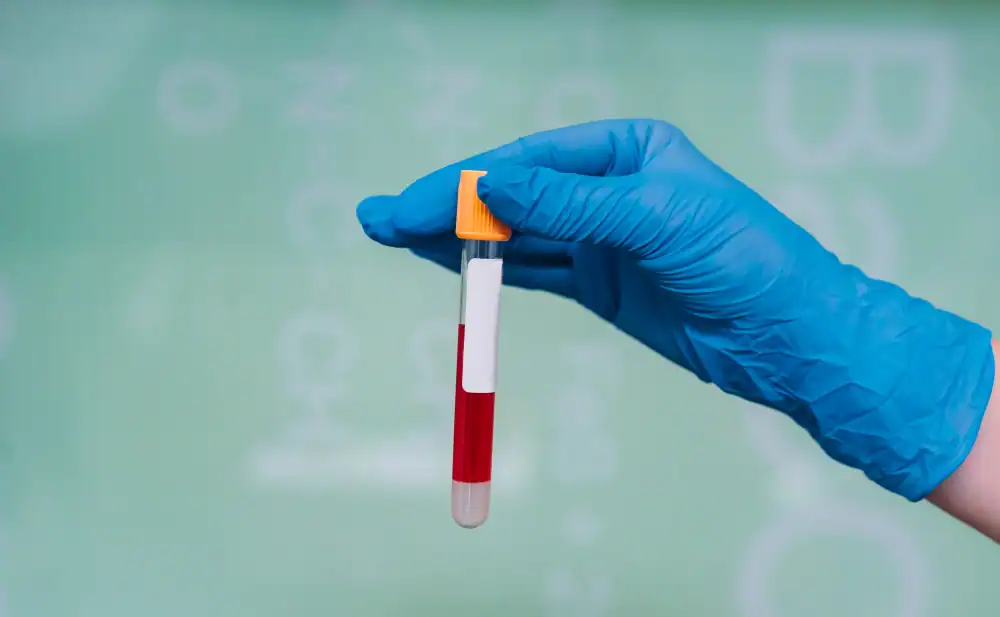
You can’t fix what you don’t understand. Imagine having insulin-resistant PCOS but spending months trying anti-inflammatory diets. Or thinking you need strict dieting when your issue is stress-driven hormones. You might even feel like you’re failing when in reality, you’re simply working on the wrong target.
Testing reveals your drivers. Drivers give directions. Direction saves time, energy, and sanity.
Tests That Help Reveal Your PCOS Type
Doctors may run different tests depending on symptoms, but here are some that are often useful to discuss with a healthcare provider:
- Fasting insulin and glucose
- HbA1c
- Lipid profile
- Testosterone (free and total)
- DHEA-S
- LH and FSH
- Thyroid panel
- CRP or other inflammation markers
- Ultrasound (not always required, but sometimes helpful)
One test alone cannot confirm your type. You need a combination. Your doctor may add more depending on your case.
Get answers, not guesses. Book your PCOS screening and understand what’s really going on inside your body.
PCOS and Emotions: The Silent Part of The Story
PCOS is not just lab numbers. It affects how you feel about your body, your reflection, your clothes, your energy, your motivation, your confidence, and sometimes your relationships. Some days, you may wake up ready to fix everything. Other days, brushing your hair feels like a chore. No one talks enough about the emotional part. The testing process can help create a sense of control again. You stop fighting blindly. You start working with your body.
What PCOS is not
- PCOS is not your fault.
- PCOS is not a sign of weakness.
- PCOS is not a measure of beauty, worth, or femininity.
- PCOS does not mean you will struggle forever.
Around 40% of women with PCOS experience anxiety or depression related to body image, fatigue, or uncertainty. Emotional health is part of the picture, not a separate chapter.
Sometimes Clarity Feels Like Relief
Understanding your type helps you personalize your next step
You don’t need a perfect plan. You need a relevant one. Once you know the drivers, you can explore changes with intention. This might include food habits, sleep patterns, stress reduction, physical activity, medication, supplements, or a mix of them. What matters is that your plan matches your body, not someone else’s success story.
A Few Gentle Reminders
- You did not cause PCOS.
- You are not lazy.
- Your body is not broken.
- Willpower does not cure hormonal imbalance.
- You deserve to understand your health, not fight it.
So, Where Can You Start?
Start with curiosity instead of frustration. Track your cycle. Note how you feel after certain foods, activities, stress levels, and sleep. Ask your doctor about testing that aligns with your symptoms. Write down your questions before appointments. Advocate for yourself even if it feels uncomfortable. Quiet confidence can change the tone of the room.
If you don’t get proper answers, seek another opinion if possible. Sometimes the right practitioner changes everything. Your experience matters.
FAQs
What is it like having PCOS?
It can feel unpredictable because your body doesn’t always react the way you expect. Some days you feel fine, and other days symptoms seem random or hard to control.
Can PCOS go away on its own?
PCOS usually doesn’t disappear on its own, but symptoms can improve with proper care and targeted support. Many women live healthy, balanced lives with the right approach.
What are female PCOS symptoms?
Common symptoms include irregular periods, acne, hair changes, weight shifts, cravings, and fatigue. You may have only a few symptoms, and they won’t always match another woman’s experience.
How can I confirm if I have PCOS?
You need a proper evaluation through lab tests, symptom review, and possibly an ultrasound by a qualified healthcare provider. Self-diagnosing based on symptoms alone can be misleading.
Are PCOS periods painful?
Some women experience painful periods, while others have light, irregular, or absent cycles. Pain is not a required symptom, so it varies from person to person.
How to identify a PCOS belly?
A PCOS belly usually appears as stubborn fat stored around the midsection that doesn’t match your diet or activity level. It is often linked to insulin resistance rather than simple weight gain.
What foods should I avoid with PCOS?
Try reducing sugary foods, refined carbs, and processed snacks that spike insulin. Focus on foods that keep blood sugar steady and leave you feeling balanced, not deprived.
(The article is written by Mantasha, Sr. Executive, Clinical Health & Content, and reviewed by Monalisa Deka, Deputy Manager, Clinical Health & Content, Medical Affairs)