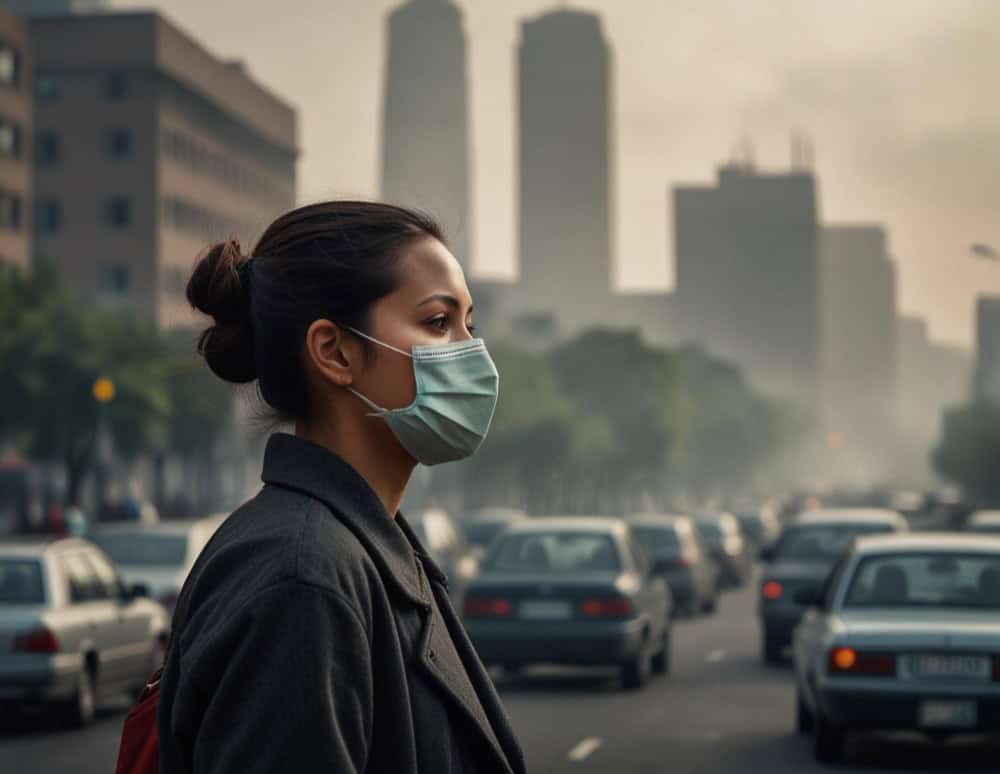
We all know how important physical activity is for overall health. So you wake up early in the morning, get out of bed, lace up, and go outside for a quick morning run. But as soon as you step out, you feel a haze in the air and a slight discomfort in your throat and eyes, and smog all around. When you take out your phone to check AQI, you see it far beyond the unhealthy mark.
In such a situation, it’s natural to ponder whether exercising outside is actually good for you when the air quality is so low. It’s a confusing trade-off: skip the workout and feel guilty, or step out and worry about your health. There are various serious health risks of long-term exposure to polluted air. But does that mean you should give up the idea of exercising altogether? Stay tuned as we answer this and a few other questions about bad AQI.
What Is AQI?
To put it simply, AQI is a scale of 0 to 500 that measures dangerous pollutants in the air, such as carbon monoxide, sulfur oxide, ozone, nitrogen dioxide, and particulate matter (PM2.5 and PM10 particles). The Air Quality Index (AQI) is a frequently used method of informing the public about air pollution levels.
It reduces complex air pollution data to a single value that reflects how clean or dirty the air is, as well as any potential health risks. Higher readings on the AQI scale, which goes from 0 to 500, indicate worse air quality and more possible health concerns. These values fall into six categories, ranging from “Good” to “Hazardous,” each of which is denoted by a particular color and health warning.
It simplifies complex air pollution data for laymen by dividing it into simple values that indicate how clean or dirty the air is and what potential health hazards it may cause. The AQI scale ranges from 0 to 500. Rising values are a sign of deteriorating air quality and rising health concerns. These values fall into six categories, ranging from “Good” to “Hazardous,” each of which is denoted by a particular color and health warning.
Understanding the AQI Scale
The Air Quality Index (AQI) gives a simple way to understand how contaminated the air currently is and the potential health impacts associated with varying levels of pollution. The scale spans from 0 to 500, with higher numbers indicating poorer air quality and more health concerns. Here’s what every range signifies for your health.

0-50 (Good)
The air is clean and safe. There is little to no health risk from air pollution. It is safe for everyone to step outside.
50-100 (Moderate)
Air is safe and acceptable for most people. It is fine to step outside, but those with health issues like asthma might experience mild irritation.
101-150 (Unhealthy for Sensitive Groups)
Air quality is still acceptable. Meanwhile, sensitive groups like children, the elderly, people with respiratory or heart disease, and pregnant women might experience some discomfort.
150-200 (Poor/Unhealthy)
Everyone may begin to experience the effects on their health. Outdoor physical activity should be limited, and sensitive groups should avoid going out.
200-300 (Very Unhealthy)
This level may worsen asthma, sinus issues, and existing lung or heart problems. Even people in good health may experience coughing or breathlessness. Try limiting your exposure to outside air.
300-500 (Severe)
Air quality at this level is dangerous for everyone. Outdoor exercise should be fully avoided, as exposure can lead to coughing, dyspnea, chest tightness, inflammation, and long-term respiratory damage.
Should You Exercise When the AQI Is Bad?
When you exercise, your body uses more oxygen and produces more carbon dioxide. Outdoor exercise becomes risky when the AQI is higher than 200, even for healthy individuals, because the lungs inhale greater quantities of harmful particles while breathing heavily.

It is risky to engage in outdoor activities when the AQI crosses the 200 mark, even for healthy individuals. Harmful pollutants and particulate matter in the air can cause harm to vital organs like the lungs and heart. It can trigger inflammation and also affect your mental health, as it can increase cortisol, the stress-causing hormone. On the other hand, it is even more dangerous for sensitive groups of people like kids, elderly people, pregnant women, and those with existing heart or respiratory conditions like asthma.
How Does Polluted Air Harm You?
When air quality deteriorates, it has a wide range of negative consequences for human health. This occurs because contaminated air contains hazardous compounds such as particulate matter, nitrogen oxides, ozone, carbon monoxide, and other toxic chemicals, which enter the body through inhalation. It can lead to various serious health concerns in the short and long run.
Short-Term Issues
Short-term exposure to dirty air can irritate the eyes, nose, and throat. People frequently experience coughing, wheezing, or shortness of breath after spending extended periods of time outside, particularly on polluted days. Pollutants may worsen asthma and allergy symptoms by inflaming the airways and reducing airflow. This is how air pollution can trigger respiratory conditions like acute bronchitis or asthma flare-ups in otherwise healthy people.
Long-Term Effects
Prolonged exposure to hazardous air might cause long-term damage. Fine particles and gases gradually damage lung tissue, leading to illnesses including Chronic Obstructive Pulmonary Disorder (COPD) and an increased risk of lung cancer. Lung capacity declines over time, making breathing more difficult and decreasing overall stamina. Children, the elderly, and persons with pre-existing respiratory diseases are more vulnerable to these effects since their lungs are either developing or already damaged.
Skin Issues
Skin problems are among the most common side effects of air pollution. It may lead to redness, rashes, and itching. Aside from that, these pollutants might cause redness in the eyes and poor vision. However, the severity of these symptoms varies from person to person, based on age, current health status, lifestyle habits, and so on.
What to Do When the Air Quality Is Bad?
Besides the health issues mentioned above, prolonged exposure to polluted air can cause various other health issues. Hence, it is important to make sure you limit exposure and take necessary precautions. First and foremost, avoid stepping outside as much as you can when the AQI is in the red zone. Try to avoid outdoor exercises, as increased breathing rate during exercise causes more toxins to enter your body. You can switch to indoor workouts like yoga, bodyweight exercises, spot running, Tai Chi, etc. This will help you stay fit without risking going out.
Moreover, when you have to step out wearing masks, especially N95 masks, it can help keep you from inhaling pollutants and PM 2.5. Additionally, try to strengthen your body and immune system from within. Eating vitamin C and antioxidant-rich foods like citrus fruits, ginger, turmeric, cinnamon, and honey is recommended. Consuming warm beverages like herbal teas and turmeric milk can help soothe your throat and reduce irritation caused by air pollution.
FAQs
What AQI range is considered safe for outdoor exercise?
AQI below 100 is generally safe, whereas readings above 150 necessitate caution or indoor alternatives.
Is it bad to exercise outside when the AQI is high?
Yes, exercising outdoors when the AQI is higher than 200 can increase the risk of short and long-term health issues associated with pollution.
Why is outdoor pollution more harmful while exercising?
While performing physical activity like exercise, the breathing rate increases, which means you inhale even more pollutants.
Can poor air quality affect healthy individuals, too?
Yes. Even healthy persons may feel throat discomfort, dyspnea, headaches, and impaired lung function.
Can pollution affect mental health?
Yes, pollution causes neuroinflammation, which is linked to anxiety, depression, stress, and reduced cognitive function.
Does wearing a mask actually save me from air pollution?
Yes, wearing an N95 mask can significantly filter out pollutants and toxins from the air you breathe, preventing them from entering your system.
Do herbal teas help during high-pollution days?
Tulsi, ginger, mulethi, and turmeric drinks calm the respiratory system and improve immunity.
(The article is written by Ehsan Siddiqui, Team Lead and reviewed by Monalisa Deka, Deputy Manager, Clinical Health & Content, Medical Affairs)