
If you have ever hit the gym, you have likely heard of creatine. It’s a natural source of energy. Creatine is naturally and mainly produced by your kidneys, pancreas, and liver [1]. A creatine supplement can help with muscle recovery, strength, and energy during high-intensity workouts. Surprisingly, research suggests that creatine may do more than just help athletes. It can also play a role in improving cognitive performance in healthy individuals, especially in older adults [2]. This may help the brain deal with stress or fatigue and support memory. But before you think of taking creatine supplements for your brain health, always consult an expert first.
In this article, let’s explore how creatine supplements for brain health work and who might benefit from them. Also, understand why medical guidance is always necessary before trying any supplement.
What Is Creatine?

Creatine is a natural compound made by the human body using amino acids (glycine, methionine, and arginine). We can also get small amounts of creatine via foods like fish, meat, and poultry. Your muscles can store creatine. Most people associate creatine with better excercise, performance, as it helps generate quick bursts of energy during workouts. But does your brain also use creatine to stay active and alert?
Why Does the Brain Need Creatine?
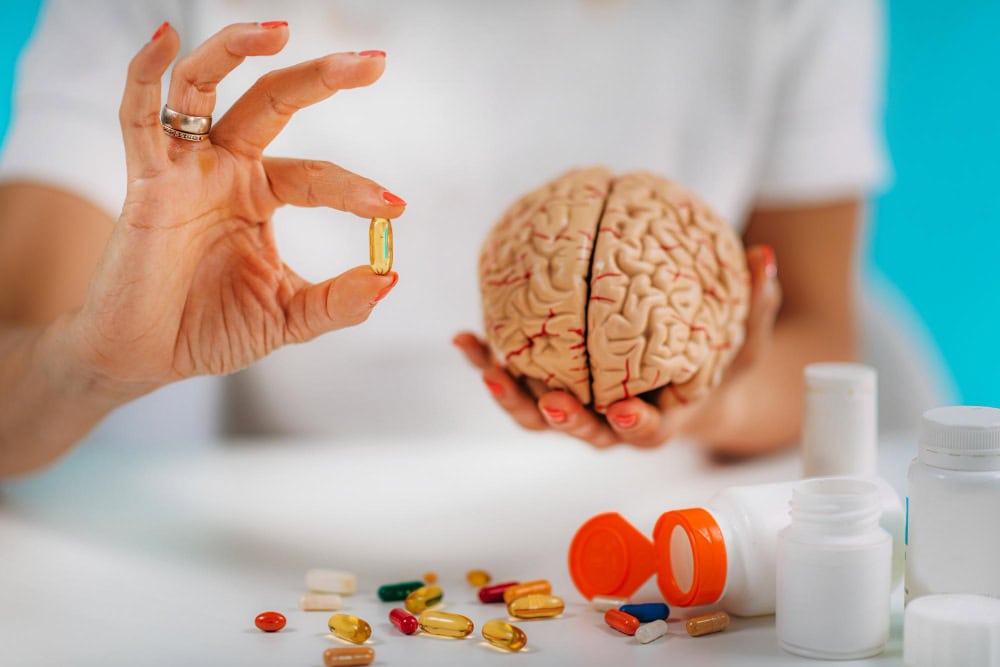
Your brain is a small but powerful organ. It uses almost 20% of your body’s resting energy, whereas it’s just 2% of the total body mass [2]. The brain needs a constant supply of ATP (adenosine triphosphate) for learning, memory, thinking, concentration, and mood regulation. Every memory, thought, and emotion can need energy. And if your brain can’t produce enough energy, cognitive function may slow down.
Creatine helps your brain make ATP—your body’s main fuel. More ATP means more support for focus and mental performance. During times of increased metabolic demand, having creatine in the brain can be beneficial.
How Creatine Supplements for Brain Health Work
- It can enhance the energy of the brain: Creatine increases phosphocreatine stores in the brain. Phosphocreatine acts as a backup energy source, rapidly converting into ATP whenever the brain needs extra fuel. It can help during periods of stress, lack of sleep, mentally challenging tasks, or intense work or studying.
- It may support memory: When administered orally, creatine may improve short-term memory and reasoning/intelligence of healthy individuals.
- It may reduce mental fatigue: Creatine give the brain quick energy support. Studies suggest it’s possible that sleep-deprived or stressed people can show better cognition when given creatine supplements for brain health.
- It may offer mild neuroprotection: Though proper and complete research may be needed for this. There is some evidence that shows creatine’s role in reversing mitochondrial dysfunction in neurodegenerative disorders, contributing to neuroprotection. [3]
Who Can Benefit the Most From Creatine?

You may see stronger effects if you are:
- A vegan or vegetarian: Plant-based diets contain little creatine. Hence, having creatine supplements for brain health can be beneficial.
- An older adult: Natural creatine storage and ATP production can decline with age. This makes creatine beneficial for cognitive support in older individuals.
- Under constant mental pressure: Students, people in high-stress jobs, or shift workers may feel better mental energy after having creatine supplements for brain health.
- Someone with a medical condition: Doctors sometimes can evaluate creatine and its uses in some neurological research settings.
Risks of Self-Medication: Creatine Supplements for Brain Health

Even though creatine is widely available, that does not mean everyone should take it. It is not for everyone. Creatine affects everyone differently because of diet, medical history, body chemistry, and lifestyle. Using it without medical advice can be risky because:
– You may not need it. Unnecessary use when the diet is already sufficient.
– Incorrect doses can affect your kidneys. Especially if you already have a kidney disease.
– Some non-certified supplements may be contaminated.
– It can interact with medical conditions or medicines.
Always seek a medical healthcare provider before starting creatine, especially if you already have an ongoing condition and medication.
Take the Right Step and Talk to a Doctor Now!
Possible Side Effects Of Creatine Supplements
Creatine is considered safe for healthy adults in recommended doses. But for some, it may cause:
- Stomach Discomfort
- Bloating
- Water Retention
- Dehydration
Again, if you ever decide to take creatine, medical supervision is essential.
Alternative Natural Ways To Enhance Brain Health
Along with supplements, there are some natural tips you can follow or include to help your brain health. Try daily exercise, take adequate rest, stay hydrated, reduce screen stress, practise meditation, and eat omega-3-rich or antioxidant-rich foods. Also, be open to learning new skills like a new language, mental math, etc., every day. All of these may help in long-term support for brain health.
FAQs
Q. Does working out make your brain sharper?
Yes, exercising can increase the blood flow to the brain, support memory, enhance mood, and improve focus. This is all done by releasing chemicals like endorphins, etc.
Q. What are the three superfoods for your brain?
Fatty fish (containing omega-3s), nuts, seeds, and berries are the superfoods. They can reduce inflammation, support memory, and may also improve brain cell function.
Q. Can creatine affect sleep?
Creatine does not directly cause insomnia, but taking large doses late in the day may make you feel more alert. It is safer to take it earlier in the day and always take it as and when advised by your doctor.
Q. Who should avoid taking creatine supplements for brain health?
– People with kidney disease, liver disorder, or any other medical condition.
– Breastfeeding or pregnant women
– People on long-term medications, until advised by a doctor
Q. Which type of creatine supplements for brain health are usually taken?
Creatine monohydrate is the most commonly used form of both muscle and brain supplements.
Q. What are the mental side effects of creatine?
Creatine is not known to cause major mental side effects. Rarely, some people may experience irritability, mood changes, or mild headaches.
Q. Is creatine an IQ booster?
No, creatine cannot really increase your IQ level. It may support mental energy and reduce fatigue, but it does not raise the intelligence level of someone.
Q. Does creatine give you brain fog?
Creatine generally can improve mental clarity. Creatine deficiency can give you brain fog. But if brain fog occurs, it may be due to stress, dehydration, or unrelated health issues – not creatine itself.
References
1. Bonilla DA, Kreider RB, Stout JR, et al. Metabolic Basis of creatine in Health and Disease: A Bioinformatics-Assisted Review. Nutrients. 2021;13(4):1238. doi:10.3390/nu13041238
2. Prokopidis K, Giannos P, Triantafyllidis KK, Kechagias KS, Forbes SC, Candow DG. Effects of creatine supplementation on memory in healthy individuals: a systematic review and meta-analysis of randomized controlled trials. Nutrition Reviews. 2022;81(4):416-427. doi:10.1093/nutrit/nuac064
3. Avgerinos KI, Spyrou N, Bougioukas KI, Kapogiannis D. Effects of creatine supplementation on cognitive function of healthy individuals: A systematic review of randomized controlled trials. Experimental Gerontology. 2018;108:166-173. doi:10.1016/j.exger.2018.04.013
(The article is written by Sneha Jajoo, Intern, Clinical Health & Content, and is reviewed by Dr.Subita Alagh, Assistant Team Lead, Disease Content.)