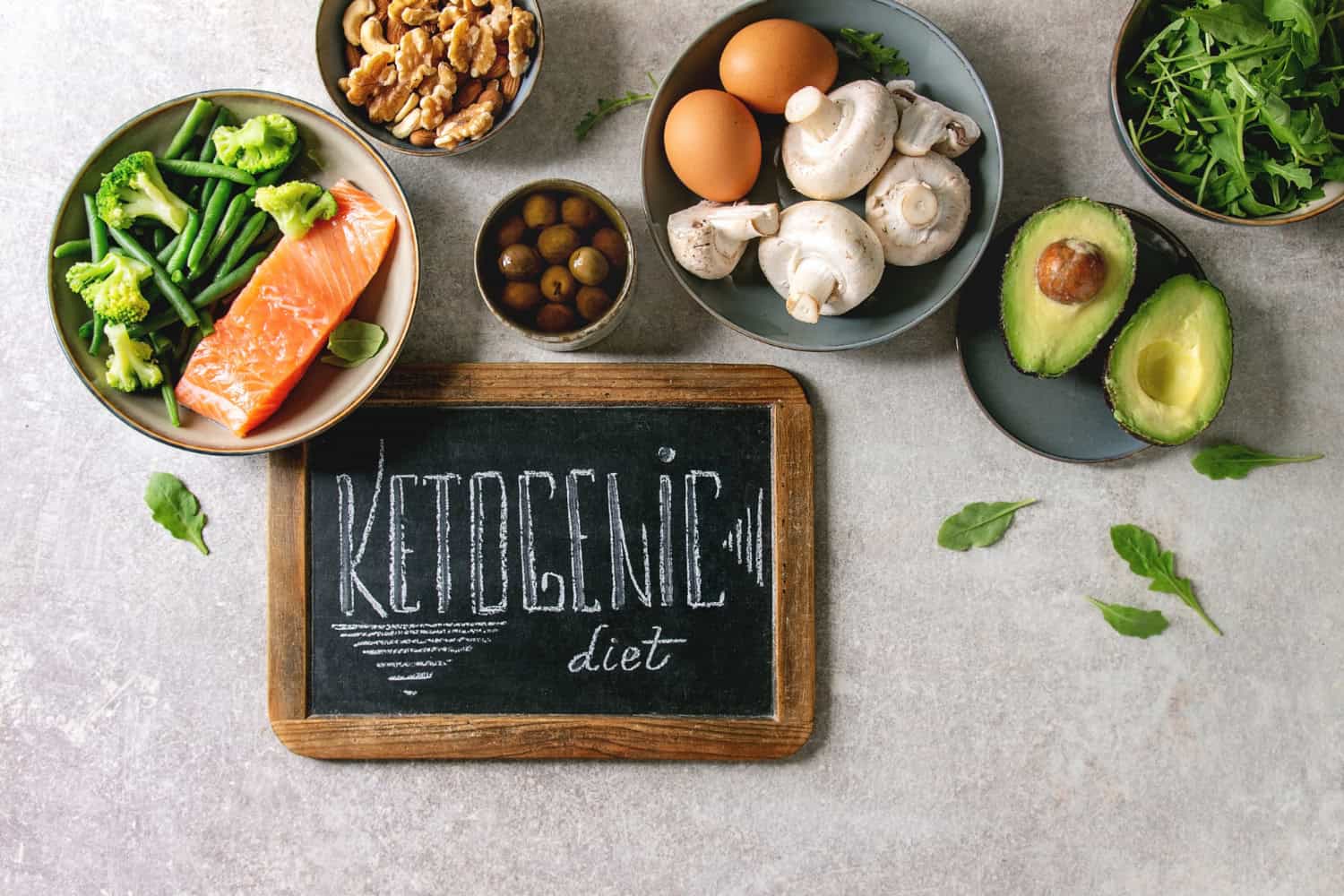
 The ketogenic diet may sound simple—cut carbohydrates, eat fat, and lose weight. Yet for many people, the experience feels very different. Despite careful food planning and strict choices, weight loss stalls, energy levels dip, or the diet feels very hard to continue. Although the keto diet remains popular, it is also one of the most misunderstood diets on the internet, with much of the advice coming from viral videos and oversimplified reels.
While many people lose weight quickly on the keto diet, many tend to quit keto within a few months. The issue is not about the diet itself—it’s the myths around it.
What exactly is the ketogenic diet? It involves reducing carbohydrate intake and replacing carbs with fats, causing the body to enter ketosis—a state where fat is broken down for energy. As a result, you burn fat instead of carbohydrates. If followed correctly, it can be a great tool to support fat loss and improve metabolic health.
In this blog, our expert, Dr. Syeda Aafia, Medical Content Expert at Tata 1mg, has debunked 5 common keto diet myths that may be silently sabotaging your progress and results. We will also clarify how ketogenic nutrition should actually be followed for consistency and long-term success.
Myth 1: The keto diet is bad for athletes, gym-goers, or those who exercise.
Fact: Keto does not automatically impair athletic performance.
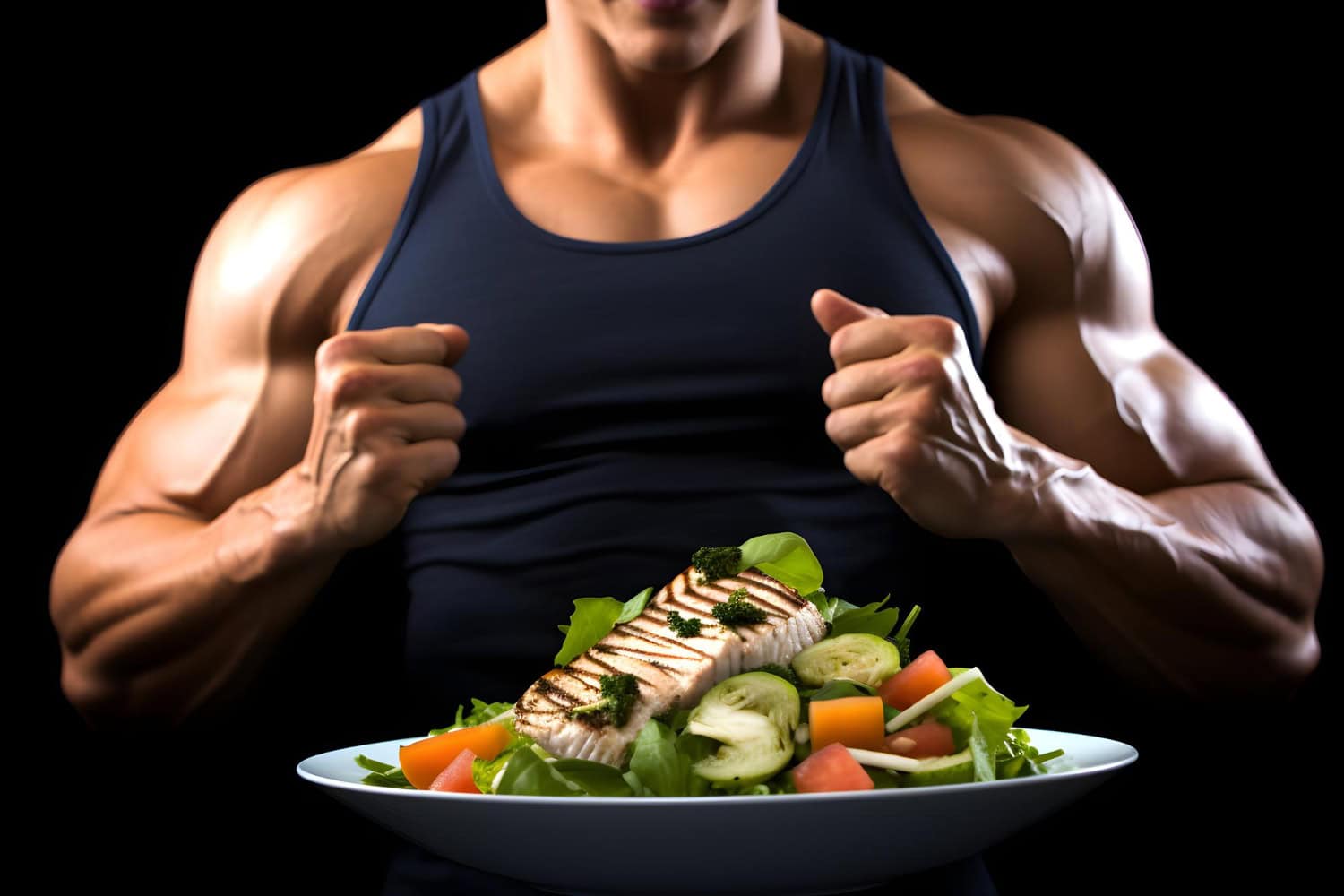
Many people believe that keto is only for people who don’t work out or are non-exercisers. However, research shows that keto can help athletes and fitness enthusiasts maintain performance and improve fat loss. Once the body adapts to this diet, it uses fat efficiently for energy.
Many people on keto often stay active with walking, yoga, gym workouts, or swimming, while enjoying foods like eggs, fish, paneer, coconut, ghee, and nuts for energy.
Myth 2: The keto diet is not safe for people with diabetes.
Fact: In people with diabetes, the keto diet can help regulate blood sugar levels.
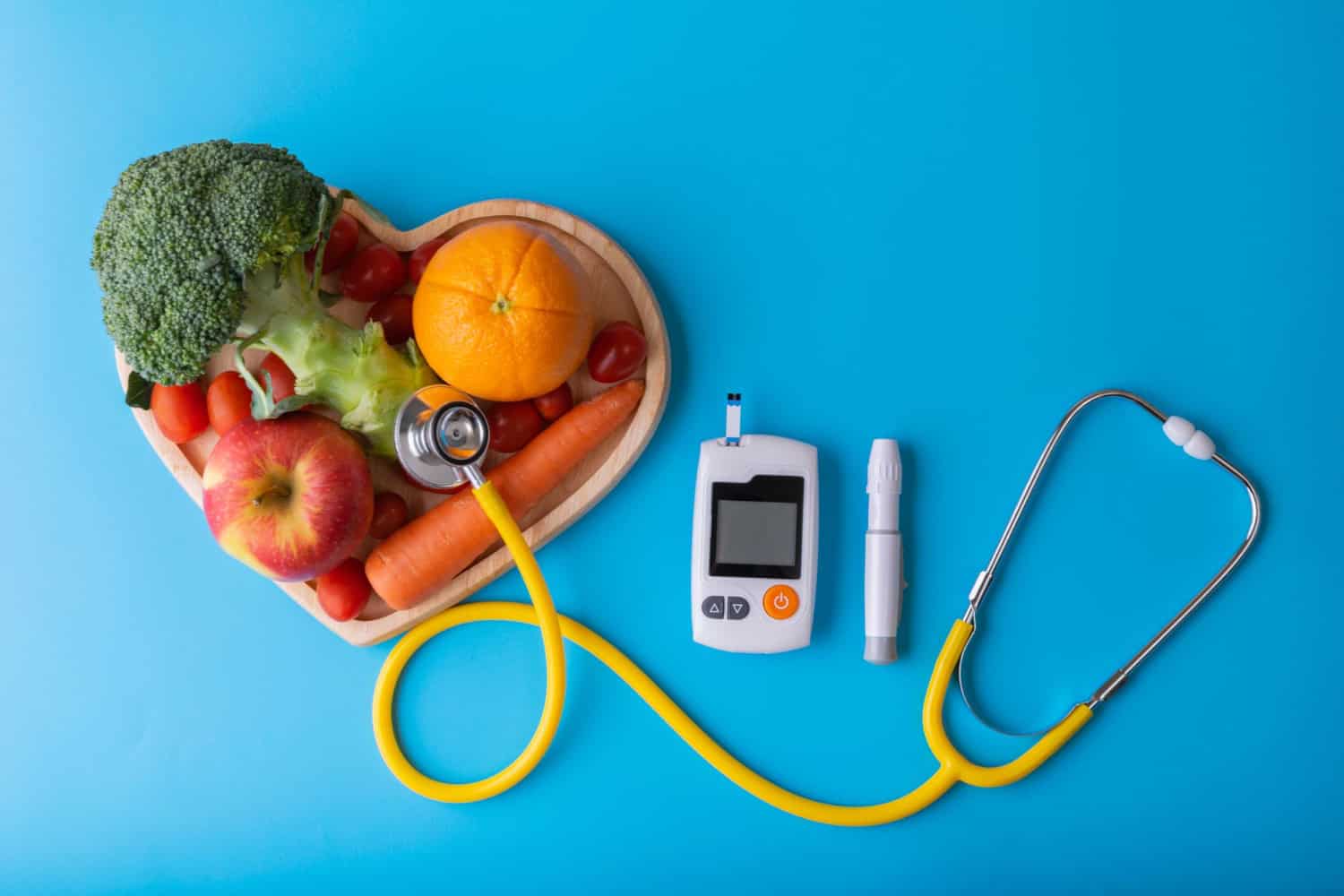
Since it lowers carb intake, it helps minimise blood sugar spikes. In fact, many people with type 2 diabetes notice better sugar control when they reduce their intake of foods such as roti, rice, sugar, sweets, and packaged foods.
Instead, when followed under medical supervision, the ketogenic diet’s emphasis on low-carb vegetables, healthy fats, and adequate protein can help improve insulin sensitivity.
Myth 3: Keto leads to weakness or keto flu.
Fact: These symptoms are avoidable and temporary.
 In the initial phase of following a keto diet, many people often experience tiredness and headaches often. This is because the body is adjusting and losing extra salt and water.
This may feel more intense in India’s hot climate. However, drinking enough water and adding salt, lemon water, or coconut water can really help reduce these symptoms. In fact, most people recover within 2-3 weeks.
Myth 4: Keto is bad for heart health because of ghee and oil.
Fact: The keto diet can often improve heart health markers when followed properly.
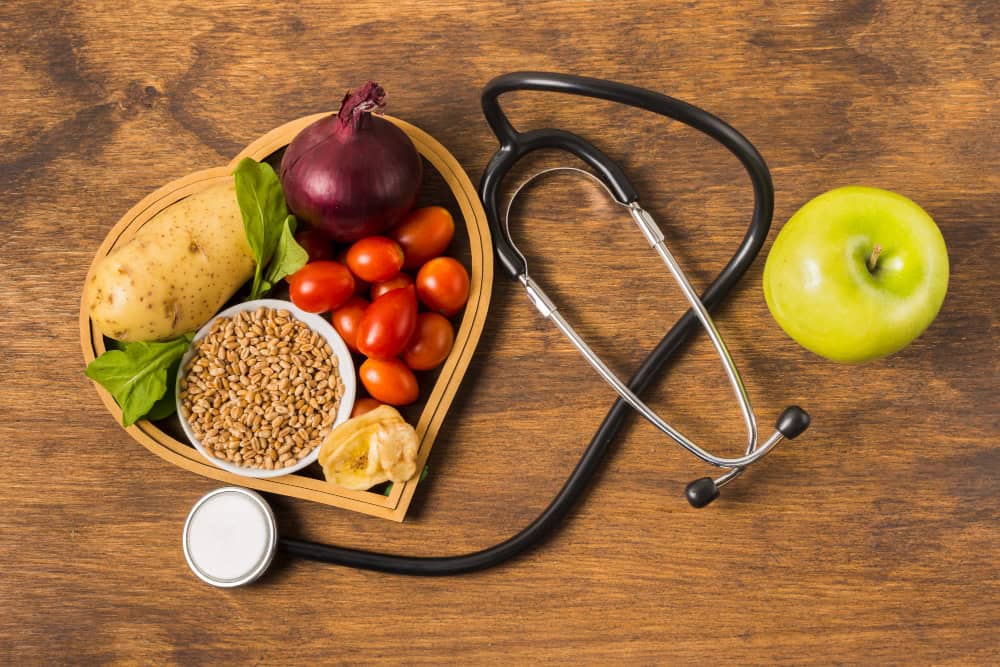
Fatty fish, nuts, seeds, butter, coconut oil, and ghee are commonly included in the Indian keto diet. Although many are concerned about cholesterol or lipid levels, keto often lowers triglycerides and raises HDL (good cholesterol levels).
Myth 5: Keto is too hard to follow long-term
Fact: Compared to calorie-counting diets, many people find keto easier.
The keto diet helps reduce hunger and cravings naturally. People feel less desire to eat snacks because meals are satisfying. Many Indians can maintain a keto diet for months or even years by adapting common foods such as paneer bhurji, egg curry, stir-fried vegetables, coconut-based gravies, and curd (in limited amounts).
Keto success often comes down to everyday habits—balanced meals, enough protein, proper hydration, and listening to hunger cues, rather than rigid food rules, says Dr. Aafia.
To Sum It Up
Keto is not about following strict rules or chasing social media trends. It actually works best when it fits Indian dietary habits, lifestyle, and climate. Remember, most failures happen due to misconceptions, not because keto does not work.
Understanding the basics of a keto diet makes it easier, safer, and more sustainable.
FAQs
Q: How does the keto diet work?
A: The keto diet works by cutting carbs very low and increasing healthy fat intake, so the body burns fat (ketones) instead of sugar for energy.
Q: What kinds of foods are in a keto diet?
A: You can eat full-fat dairy products like paneer, plain yoghurt, full-fat curd, cheese, eggs, nuts, seeds, and avocados, along with low-carb vegetables such as spinach, capsicum, cauliflower, and broccoli. Unsweetened coconut milk or almond milk can also be used in small amounts.
Q: Can I eat rice on the keto diet?
A: No, the keto diet limits daily carbohydrates to under 50 g, which is roughly the amount in one cup of white rice. Because of this, high-carb foods such as roti, rice, grains, beans, most fruits, and starchy vegetables are usually avoided.
Q: Who should not do keto?
A: Keto is not safe for people with certain medical conditions, such as those affecting the pancreas, thyroid, gallbladder, or liver.
Q: How quickly do you lose weight on keto?
A: Many people notice weight loss, especially in the first 1-2 weeks, which may be due to water loss. After this phase, weight loss continues more steadily as the body starts burning fat while preserving muscle mass.
Q: What are the common mistakes on the keto diet?
A: The most common mistake is not tracking carbohydrate intake—hidden sugar and refined carbs are present in many foods. To get consistent results from keto, aim to keep net carbs under 20 g per day or total carbs around 30 g per day.
Q: Why is my stomach getting bigger or bloated on keto?
A: Due to low fibre intake on keto, digestion slows down, causing food to ferment more in the gut and produce excess gas. This gas buildup leads to bloating and makes the stomach appear larger.
Q: Is keto a protein diet?
A: No, keto is a moderate-protein diet. Adequate protein is essential for muscle preservation, satiety, and long-term positive results.
Q: Why do I feel dizzy on keto?
A: This often happens due to dehydration or low sodium levels, especially in the initial phase. Increasing fluid and electrolyte intake usually resolves these symptoms.
Recommended Reads:
Keto Diet For Weight Loss: All You Need To Know!
Keto Gummies: A Delicious Way To Lose Weight
(The article is written by Nancy Dixit, Subject Matter Expert, and reviewed by Monalisa Deka, Deputy Manager, Clinical Health & Content, Medical Affairs)