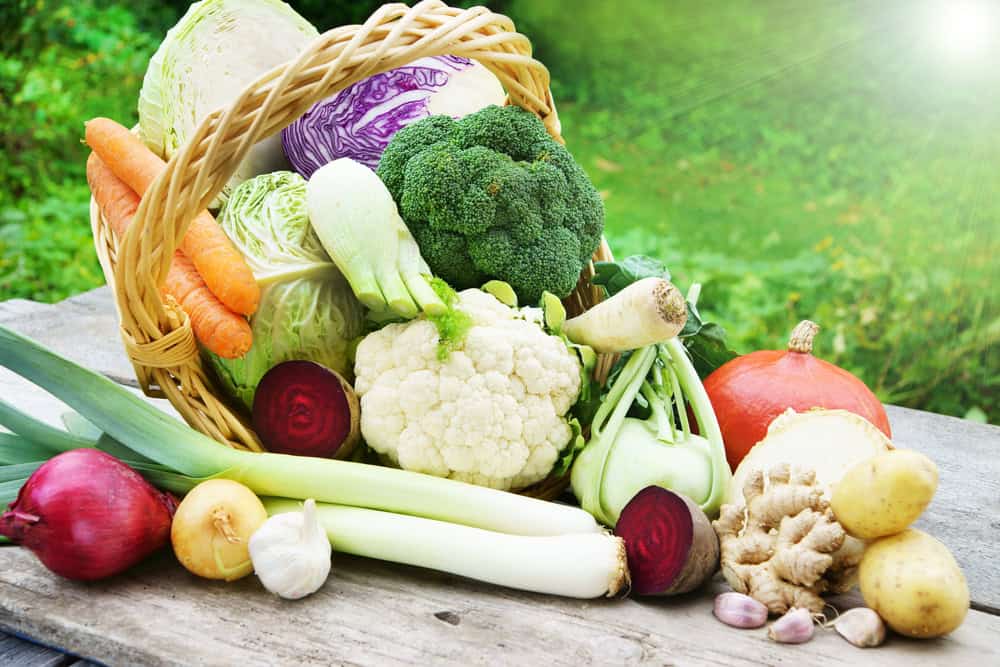
Warm blankets, cosy mornings, and hearty dinners are hallmarks of winter. However, because seasonal diseases like colds, the flu, and coughs are more common, our bodies frequently require a little additional care to remain robust and healthy, even when we like the cool air.
This winter season can be tough on our immune system because of cold temperatures, less sunlight and tiny viruses floating around. That’s where winter superfoods come in! These are nutritional powerhouses packed with vitamins, minerals, antioxidants and other nutrients that can really help in improving immunity.
Fortunately, we have the ideal remedy because of our nature. Both Ayurveda and science concur that what you consume throughout the winter can either strengthen or weaken your body’s defences. Some of the best winter superfoods for immunity are already in your kitchen, so you don’t need pricey ingredients!
Let’s explore a list of winter-immunity superfoods that can keep you warm, resilient, and clear of infections throughout the duration of the season. Let’s make our platter our defence.
You can pair these superfoods with the right supplements to get better results. Shop a variety of immunity enhancers on the Tata 1mg platform to naturally increase your immunity.
1. The Golden Fat, Desi Ghee

With origins in Indian culture and support from modern studies, ghee is more than just a cooking fat—it’s a winter need. High in omega-3 fatty acids, butyric acid, and vitamin A, ghee nourishes the intestinal lining, enhances immunity, and keeps joints lubricated during cold weather. The beneficial fats in ghee also enhance the absorption of fat-soluble vitamins, including A, D, E, and K, which are critical for the immune system and hormone balance.
Additionally, ghee also functions as a natural skin nourisher, especially during the winter months when dry skin is more prevalent. You can read more about dry skin here.
How to include it:
- Including one teaspoon of warm ghee in your khichdi, rotis, or dal
- One easy method to incorporate ghee into your everyday meals is to use it in place of refined oil when sautéing vegetables.
- For the best nourishment, use handcrafted or pure cow ghee.
According to Dr. Deepak, an Ayurvedic specialist at Tata 1mg, “A basic daily routine that starts with warm water and amla, followed by meals rich in ghee and millets, builds a natural barrier against infections. Ghee is one of the best winter superfoods for immunity, as it helps maintain a healthy, nourished, and energised body throughout the season.”
2. The Immunity Shield of Nature: Seasonal Vegetables

Winter is the perfect time of year to stock up on seasonal veggies like sweet potatoes, pumpkins, and carrots, which are among the best winter immunity foods that science has proven to work. Beta-carotene, a potent antioxidant found in these vivid veggies, is turned by the body into vitamin A, which is needed for good immune function and healthy skin.
Vitamin A is one of the vitamins that defends us against seasonal diseases and infections. It acts by strengthening our respiratory and inner gut linings. These winter-immunity foods are rich in fibre, minerals, vitamins and antioxidants that aid in digestive health and overall health.
How to include these in your diet:
- You can either roast the sweet potatoes (shakarkandi) or mash them with jaggery or gudd.
- You can include these winter veggies in your curry, or make vegetable khichdi out of them.
- Roast these veggies with Indian spices to enhance the taste.
- Vegetable soup or pumpkin curry can also be cooked and topped with ghee.
- Carrots and pumpkin soups can be made with the topping of ghee for added nourishment.
3. Amla or Indian gooseberry

Amla is one of the best winter superfoods that plays an important role in enhancing immunity. Amla is rich in flavonoids, polyphenols, and vitamin C that have been proven to strengthen immunity and the body’s defence system.
How to include it in a diet:
- You can have one whole amla every morning; it has a strong sour taste at first, followed by a sweet aftertaste.
- Additionally, you can blend amla juice with honey or add amla powder to warm water and take a sip.
Tip: If you don’t like amla, adding jaggery can help. It gives the drink more iron benefits and a strong flavour.
4. Organic Sweeteners That Increase Resistance: Dates and Jaggery

Winter candy desires are normal, but processed sugar weakens the immune system. Dates and jaggery are nutrient-dense natural sweeteners that can satisfy your sweet craving and strengthen your immune system. Because they aid in digestion and act as natural detoxifiers, dates and jaggery are vital for winter health.
Both are rich in antioxidants, iron, and magnesium, which improve energy metabolism, increase hemoglobin levels, and maintain body warmth.
How to add them to the diet?
- In the morning, mix chopped dates with your porridge or energy balls.
- Use jaggery instead of sugar while preparing chai or other treats.
How they work: Dates and jaggery act as a natural detoxifier and help in improving digestive health.
5. Millets (Bakra, Jowar, Ragi): An Age-Old Grain

Traditional grains, like bajra, ragi and jowar, have made a significant resurgence. These are rich in fibre, iron, calcium and magnesium. These are also gluten-free and support a balanced or healthy gut flora, which is essential for improved immunity.
How to add them to your diet:
- You can start your day with warm millet porridge or a khichdi breakfast.
- You can serve bajra or jawar rotis along with wheat rotis.
Tip: Millets can be combined with ghee to improve digestion and enhance nutritional absorption.
6. Nuts and Seeds

Nuts like almonds, walnuts, and cashews and seeds like sunflower seeds are a little nutritional powerhouses. They are rich in fibre, protein and, most importantly, healthy fats, which support heart health and managing blood sugar levels.
How to use them:
- Either you can soak them overnight and eat them, or you can eat them as a handful of nuts in the morning.
- You can also crush or grind these nuts and seeds into nut butter, or they can be eaten as a midday snack.
7. Leafy Greens: The Winter Heroes

Winter detox foods include fenugreek (methi), spinach, kale, and mustard greens. Because they are rich in iron, calcium, and folate, they improve overall vitality and keep you energized.
A wintertime favorite in North India, mustard leaves are high in iron, beta-carotene, vitamin K, and antioxidants that improve immunity and aid in liver detoxification.
They help improve digestion and prevent respiratory infections, which are common in the winter.
Try these tasty Winter Comfort Recipes by a Nutritionist You’ll Actually Enjoy if you want to incorporate these winter greens into easy, cosy dinners.
How to incorporate them:
- The recipe for “Sarson ka Saag” calls for cooking mustard leaves with bathua and spinach.
- Top with a dollop of ghee for extra nutrients and flavor.
Advice: Add these greens to soups, smoothies, and parathas. The extra vitamin dose will benefit your body.
Winter Immunity-Building Daily Routine
| Morning | Afternoon | Evening |
| Soaked nuts and seeds + Amla juice | Shakarkandi (boiled, roasted or in chaat form) | Sarson ka saag + bajra/joawar/makki ki roti |
| Ghee in tea/coffee | Dates/jaggery | Warm millet porridge |
Eat Healthily, Stay Warm, and Stay Strong This Winter
Your immunity doesn’t need to decrease when the temperature drops in winter. Your body will remain strong and resilient if you include traditional winter superfoods like ghee, sweet potatoes, amla, jaggery, millets, almonds, and mustard leaves. These nutrient-dense foods boost your energy levels, strengthen your intestines, and build your body’s natural defences.
Combine these powerful meals with regular exercise, enough water, and enough sleep for the healthiest winter yet. Your immunity, energy, and attitude will all increase if you start with one winter superfood per day.
Your body will thank you later with fewer illnesses the day you start incorporating these superfoods into your daily routine.
FAQs
Q: Are these superfoods safe for children?
A: Indeed! Use ragi porridge, diluted amla juice, mashed sweet potatoes, and ghee (½ tsp). To avoid choking, use powdered nuts instead of whole ones.
Q: How can I prolong the freshness of amla?
A: Store entire amla in the refrigerator in an airtight container to preserve their crispness for up to two weeks. Grate the pulp and freeze it in ice cube trays for extended storage. Whenever you need a quick boost of vitamin C, drop a cube into warm water or smoothies.
Q: Can I still eat dates and jaggery if I have diabetes?
A: Yes, but in clever, tiny portions. To reduce the sugar spike, limit your intake to one or two dates or a teaspoon of jaggery, and always combine them with millets or almonds. An hour later, check your blood sugar levels and make any necessary adjustments; your doctor can help you achieve the ideal balance.
(The article is written by Nancy Dixit, Subject Matter Expert, and reviewed by Monalisa Deka, Deputy Manager, Clinical Health & Content, Medical Affairs.)
Recommended Reads
The Ultimate Immunity Guide: Smart, Simple, Science-Backed Ways to Enhance Your Immunity
Ayurvedic Expert Reveals Why Turmeric Milk Is the Golden Potion for Winter Wellness