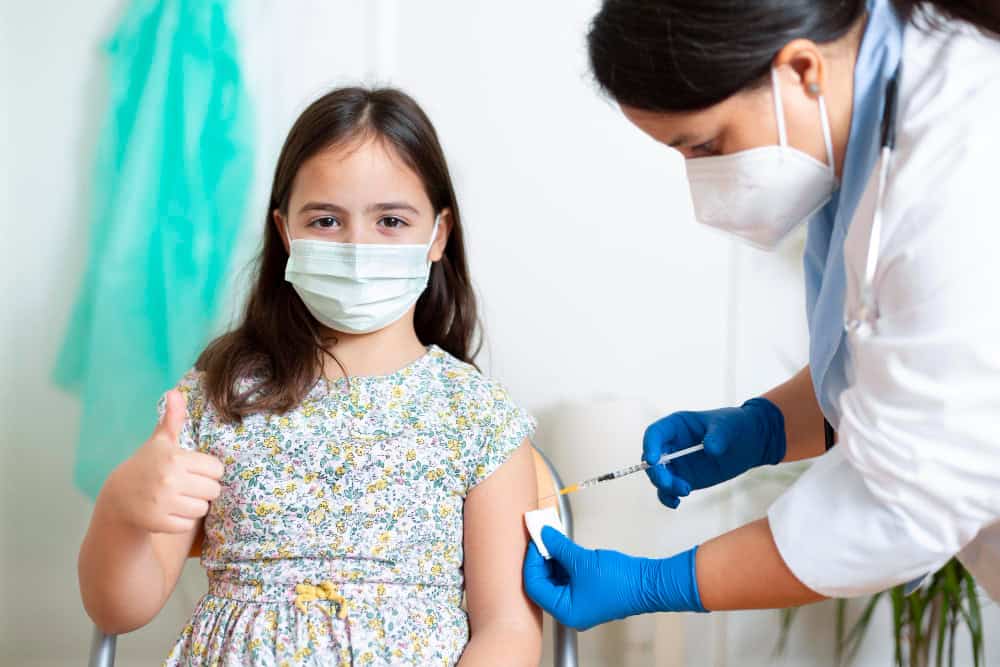
As a parent, nothing matters more than keeping your child safe — especially from dangers you can’t see. Measles, polio, and whooping cough may not make daily headlines — but for children who aren’t protected, they can still pose a serious risk . That’s where immunization schedule for children—the vaccines given according to a carefully designed schedule—makes all the difference.
Vaccines work by training your child’s immune system to recognize and fight harmful germs before they cause illness. When a vaccine is given at the right age, it can offer protection when your child is most vulnerable. This schedule isn’t random—it’s crafted by decades of scientific and real-world experience to protect your child through childhood and beyond.
In this guide, let’s take you through the immunization schedule for children from birth through adolescence. Along with that, explain what each vaccine protects against, and help you understand why timing matters.
Why Following the Immunization Schedule for Children Matters?
It’s easy to think that skipping or delaying a shot won’t matter — but diseases don’t wait. Your child’s immune system develops in the early stages of life. Vaccines are timed to deliver protection when it’s most needed. They are scheduled at ages when the child’s immune system is ready to build the strongest possible protection. Then comes the concept of “community immunity”. When many children in a community follow the schedule, it also protects those who cannot be vaccinated due to medical reasons. Timing is the key. Early vaccination has been responsible for dramatic reductions in illnesses and deaths worldwide. So, what is the immunization schedule?
Age-by-Age Guide to Immunization: High Time to Protect Your Child
The Universal Immunization Programme (UIP) and Unicef give clear age-wise immunization schedules to follow [1,2]:
Birth to 6 weeks: Protection Begins From Day One
At Birth:
- Bacillus Calmette-Guérin (BCG) — Given via injection on the upper arm, it protects against tuberculosis.
- Oral Polio Vaccine, Zero Dose (OPV-0 ) — Simply given orally as an early protection against polio. Popularly seen in India as a door-to-door service by various hospitals.
- Hepatitis B (Birth Dose) — Protects newborns from hepatitis B infection, especially from mother-to-child transmission at birth.
These first vaccines are recommended as soon as possible after birth. Ideally, within 24 hours for Hepatitis B and immediately for BCG and OPV-0 within the first 15 days. Starting protection early can help shield the child during the most vulnerable first days of life.
6 Weeks to 14 Weeks: Building Strong Early Immunity
Between 6 and 14 weeks, your baby will receive a series of important vaccines that lay the foundation for future protection:
6 Weeks:
- Pentavalent 1 (protects against Diphtheria, Pertussis, Tetanus, Hepatitis B, and Hib)
- OPV-1 (Polio)
- Fractional Inactivated Polio Vaccine (fIPV-1)
- Rotavirus-1 — protects against severe diarrhoea.
- Pneumococcal Conjugate Vaccine (PCV-1 ) — protects against pneumonia
10 Weeks:
Pentavalent 2, OPV-2 and Rotavirus vaccine-2 (RVV-2)
14 Weeks:
fIPV-2, Pentavalent 3, OPV-3, Rotavirus-3 and PCV-2
This sequence ensures your baby’s immune system receives repeated, timed exposure that builds stronger and longer-lasting immunity to several diseases.
9–12 Months: Boosting for Toddler Years
As your baby grows into a toddler, another set of vaccines continues protection when children start exploring more of their world:
9–12 Months:
- MR-1 (Measles & Rubella Vaccine) — protects against measles and rubella.
- JE-1 (Japanese Encephalitis) — given only in endemic areas where the disease is common.
- PCV Booster — strengthens earlier pneumococcal protection.
- Vitamin A — 1st Dose — supports immunity and eye health
These vaccines can enhance the immune system before children are exposed to bigger social settings and environments.
16–24 Months: Reinforcement and Continued Protection
Between ages 16 and 24 months, several boosters can help maintain immunity as your child becomes more active:
- DPT Booster-1 (Diphtheria, Pertussis & Tetanus)
- OPV Booster
- MR-2 (Second dose of Measles & Rubella)
- JE-2 (Second dose, in endemic areas)
- Vitamin A — 2nd Dose
This stage is crucial because immunity from earlier doses starts to wane slightly, and boosters can help sustain protection through preschool years.
5–6 Years: School-Ready Boosts
Before your child enters school life fully, another booster can help keep immunity strong during early childhood:
- DPT Booster-2 strengthens protection against diphtheria, pertussis, and tetanus as social interactions increase. This booster is typically given at ages 5–6 years under the UIP schedule [1].
10 & 16 Years: Adolescent Protection
Vaccination should not stop once childhood is over. As your child becomes a teenager, immunity may need reinforcement:
- Td Vaccine (Tetanus & Diphtheria Booster) — given once around 10 years and again around 16 years to keep tetanus and diphtheria away.
These adolescent vaccines help maintain lifelong defence against tetanus and diphtheria, as injury exposure can increase with more physical activity.
Immunization Schedule for Pregnant Women (Supports Child’s Immunity Too)
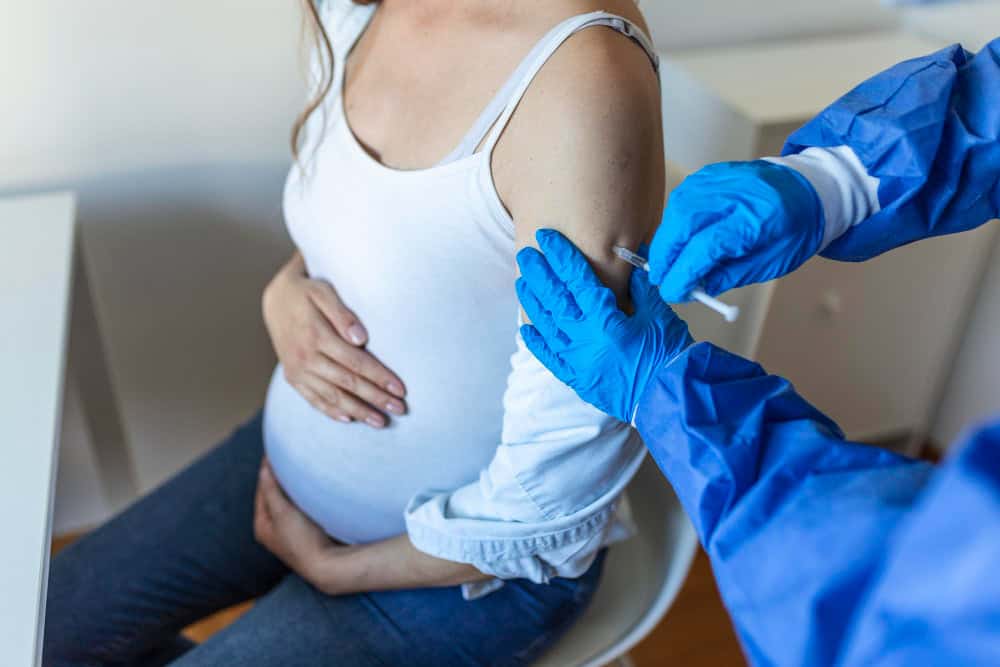
Under UIP, vaccines are also recommended for pregnant women to protect both mother and baby:
- Td-1 — given during early pregnancy
- Td-2 — given 4 weeks after the first dose
These protect the mother from tetanus, which can also help protect newborns from neonatal tetanus.
Catch-Up Vaccination: It’s Never Too Late
What if a child misses a vaccine dose at the recommended age? Well, depending on how many doses were already given, health workers and clinics can help catch up later. This is especially important for Pentavalent, IPV, PCV, and Rotavirus, which can be completed even if the first dose was delayed.
Safety and Side Effects of Immunization: What to Expect
Vaccines are extensively tested before approval and continue to be monitored after use. Most children experience no serious side effects. But mild reactions can occur, such as:
– Low-grade fever
– Tenderness at the injection site
– Fussiness
These symptoms are common and usually short-lived. Serious reactions are rare, and health staff are trained to manage and report them promptly through monitoring systems.
Remember that it’s important to seek advice from a healthcare professional to determine the right vaccine.
Start Your Child’s Journey of Protection Today with Guidance!
FAQs
Q. Are vaccines really safe?
Yes, vaccines go through strict testing before approval and are continuously monitored for safety. Most side effects are mild, like a slight fever or soreness at the injection site. Serious reactions are rare.
Q. Does my baby need all the vaccines?
Each vaccine in the immunization schedule protects against a specific serious disease. Skipping vaccines can leave your child vulnerable to infections that are preventable.
Q. According to the immunization schedule for children, which vaccine is usually given at 5 years?
At 5–6 years, the DPT Booster-2 (Diphtheria, Pertussis, and Tetanus) is given. This strengthens immunity as children grow and start school.
Q. What is the mandatory immunization schedule for children in India?
India follows the Universal Immunization Programme (UIP).
Q. Where can parents get their children vaccinated?
Vaccines are available at government hospitals, primary health centres (PHCs), and community health centres. Sometimes at anganwadi centres, and also at private hospitals and pediatric clinics.
Q. What precautions should parents take after getting their children vaccinated?
Stay at the clinic for 20–30 minutes after vaccination. Monitor for fever, swelling, or unusual reactions. Keep your child hydrated, and consult a doctor if a high fever or persistent symptoms occur.
Q. Can vaccines cause any kind of allergy?
There is rarely an allergic reaction to occur through vaccination. Rather mild redness or swelling is common, but severe allergic reactions happen very infrequently. Healthcare providers are trained to manage such situations immediately.
Q. Why is it important to follow the immunization schedule for children?
The immunization schedule for children is carefully designed to protect them at the right age. Following it on time ensures strong immunity and reduces the risk of outbreaks in the community.
References
1. Universal Immunization Programme Schedule and Guidelines
https://mohfw.gov.in/sites/default/files/Universal%20Immunization%20Programme.pdf
2. Immunization Schedule for Children https://www.unicef.org/india/know-your-childs-immunization-schedule
(The article is written by Sneha Jajoo, Intern, Clinical Health & Content, and is reviewed by Dr.Subita Alagh, Assistant Team Lead, Disease Content.)