
When your iron levels drop, you feel it. Your body slows down. Your mind starts wandering. Even climbing one flight of stairs feels harder than it should. You may blame stress or a long week, but sometimes your body is simply asking for more iron. And the good news is, you can support it through everyday food.
These seven recipes use ingredients you already know, already buy, and probably already love. Nothing fancy. Nothing that takes all evening. Just simple, iron-rich meals you can make on a regular day without planning your whole life around them.
1. Spinach and Moong Dal Khichdi

When you need something warm and soothing, khichdi steps in. It’s gentle but strong enough to pack in greens. When you add spinach, the iron content climbs without changing the familiar taste.
You sauté onions, garlic, and a bit of ginger. Add washed moong dal and rice. Stir in chopped spinach toward the end. The steam softens the leaves and turns them silky. The whole dish becomes a soft, green comfort bowl that supports your energy without feeling heavy.
Eat it with a squeeze of lemon. Vitamin C helps you absorb iron better.
2. Kala Chana Curry
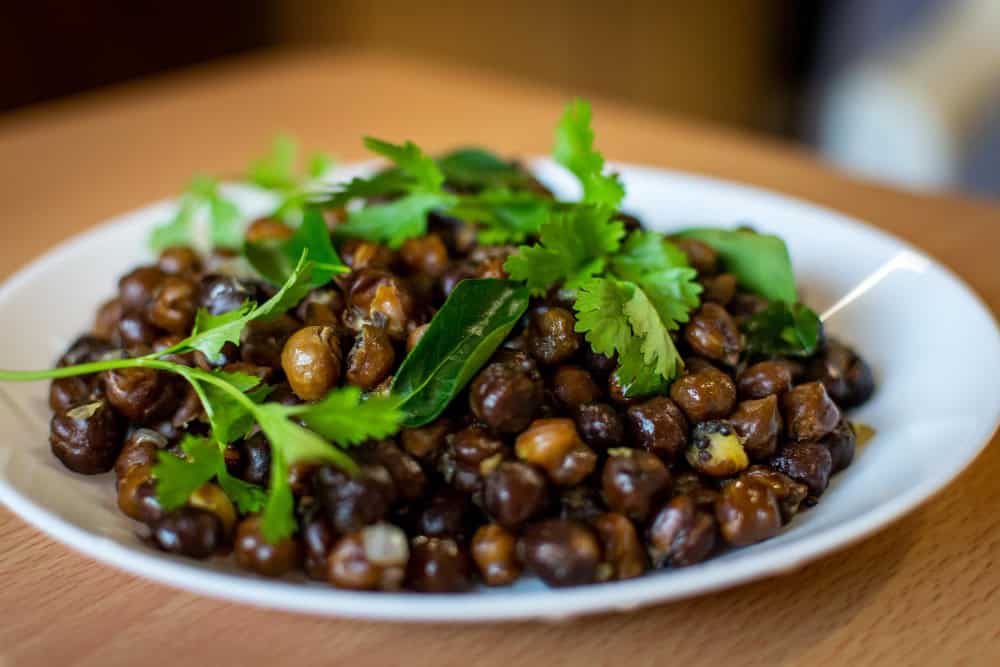
Kala chana is one of the most dependable iron sources in Indian kitchens. It cooks into a hearty curry that fills you without slowing you down.
Soak the chana overnight. Cook it with onions, tomatoes, ginger, and your usual masalas. When the chana softens, it takes on the spices beautifully. It tastes even better the next day, so don’t worry if you make extra.
Have it with roti or rice. Or eat a small bowl on its own when you need a mid-evening boost.
3. Beetroot and Carrot Sabzi
Beetroot tends to scare people away. It looks intense and tastes earthy. But when you cook it with carrots and a little mustard seed, the flavour turns gentle and sweet.
You chop both vegetables into small pieces so they cook fast. Add a bit of ginger. Add a bit of red chilli. The final sabzi has colour, crunch, and steady iron support. You can’t tuck it into parathas, eat it with dal, or mix it into a warm millet bowl.
4. Ragi Dosa With Mint Chutney
Ragi is one of those ingredients that quietly works hard for your body. It has iron. It has calcium. It also keeps you full, which is a bonus on busy days.
Ragi dosa batter is simple. Mix ragi flour with curd, a bit of rice flour, and water. Let it rest. Pour it on a hot tawa like a regular dosa. The edges crisp up fast and the centre stays soft.
Pair it with mint chutney. Mint has iron too, and the freshness makes the dosa feel lighter. You can pack this for lunch without worrying about it turning soggy.
5. Aloo Palak With Extra Greens
Aloo palak is a common dish, but you can turn it into an iron-friendly meal by adding more greens than potatoes. Use spinach. Use methi. Use any leafy green that’s fresh in your market.
Start with garlic and green chillies. Add chopped greens and let them wilt. Add small potato cubes at the end so they don’t steal the whole spotlight. The greens carry the dish. The potatoes just make it grounding.
Eat it with hot rotis. Add lemon on top. Your body will thank you later.
6. Jaggery and Sesame Ladoo
Sometimes your body wants something sweet. Instead of reaching for packaged snacks, sesame ladoos make a great choice. They’re small, warm, and rich in iron.
Roast white or black sesame seeds. Melt jaggery in a pan until it bubbles. Mix both and roll the mixture into small balls. Once they cool, you can store them for days.
One ladoo with tea can help you fight that late-afternoon slump. It feels like a treat, not medicine.
7. Rajma Soup With Vegetables
Rajma is usually cooked into a thick curry with plenty of masala. But a lighter rajma soup brings the same iron support in a gentler form.
Pressure-cook soaked rajma. Blend half of it to thicken the soup. Add carrots, onions, celery if you have it, and a bay leaf. Let everything simmer until the vegetables soften. The soup turns creamy without cream and rich without feeling heavy.
This recipe works well for dinner when you want something warm but not too filling.
How To Make These Meals Work Even Better
Iron doesn’t work alone. It works better when you pair it with the right habits. A few small steps can make a big difference.
Eat vitamin C foods with iron meals. Lemon, oranges, tomatoes, and amla help your body absorb iron faster. So keep a bowl of citrus on the table or squeeze lemon on top of your food.
Avoid tea or coffee right after an iron-rich meal. These drinks can slow down absorption. Give your body at least an hour before you pick up your cup.
If you’re vegetarian and prone to anemia, try adding leafy greens, beans, and whole grains to your meals at least a few times a week. Small, steady choices usually work better than sudden, dramatic changes.
Bringing More Energy Into Your Everyday Food
These seven recipes aren’t complicated. They don’t demand rare ingredients or long cooking sessions. They simply use what’s already in your kitchen and turn it into fuel for your body.
When your iron levels rise, you feel it. Your steps feel lighter. Your mornings feel clearer. Even your mood starts shifting. Food has that kind of quiet power. And you don’t need special diets to tap into it. You just need a few meals that support you from the inside.
If you want, you can add these dishes to your weekly routine one at a time. Start small. Pay attention to how your body responds. Sometimes the biggest difference comes from the simplest meal on your plate.
FAQs
1. How often should you eat iron-rich meals if you have anaemia?
You don’t need to overhaul your whole diet at once. Start by adding one or two iron-rich dishes each day. Even small changes help when you stick to them.
2. Which vegetarian foods give you the most iron?
Spinach, methi, kala chana, rajma, ragi, sesame seeds, jaggery, and beetroot are some of the strongest options. They fit easily into everyday meals.
3. Can you absorb iron better through food or supplements?
Food helps your body in a steady way. Supplements work when your levels are very low or when your doctor recommends them. Many people use both, but food should still support your daily iron needs.
4. Why do you need vitamin C with iron-rich foods?
Vitamin C helps your body absorb iron more effectively. A squeeze of lemon or a small fruit on the side is enough to make a difference.
5. Can tea or coffee affect your iron levels?
Yes, they can slow down iron absorption if you drink them right after meals. Wait at least an hour before your cup of chai or coffee.
6. Are leafy greens enough to manage anaemia?
Leafy greens help a lot, but you need a mix of different iron sources—beans, lentils, grains, seeds, and vegetables. Your body absorbs iron best when it comes from a variety of foods.
7. Can you eat jaggery every day to improve iron levels?
A small amount is fine. Jaggery has iron, but it’s still a sweetener, so keep the portions modest. Think of one small ladoo or a spoon in warm water.
8. How long does it take to feel improvement after changing your meals?
Everyone’s body works at its own pace. Some people feel a difference within a couple of weeks when they eat iron-rich food regularly, while others take longer.
(The article is written by Mantasha, Sr. Executive, Clinical Health & Content, and reviewed by Monalisa Deka, Deputy Manager, Clinical Health & Content, Medical Affairs.)