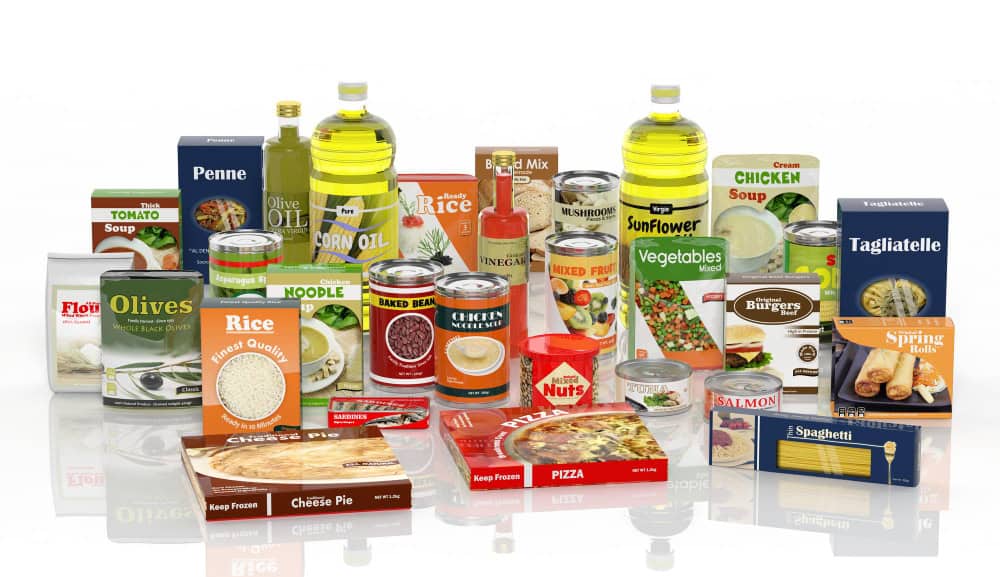
Walk into any grocery store or supermarket today? Brightly colored packages line the shelves, each claiming to be healthy, high in protein, or good for immunity.
For busy households, packaged food feels like a lifesaver—convenient and often unavoidable. However, there is a catch—not all packaged foods are equivalent in terms of quality and nutritional value.
Many everyday snacks, ready-to-eat meats, cereals, and beverages fall into the category of ultra-processed foods.
Here is the challenging part—these foods don’t always scream ‘unhealthy’. So how can we identify them? In this blog, we will break down 5 clear red flags for ultraprocessed packaged foods. These signs will help you make smarter choices without overanalysing every label.
What Are Ultra-processed Foods?
Ultra-processed foods are industrially made products with little to no whole food. They are mostly made of refined ingredients, artificial substances, additives, colours, and preservatives.
Common examples include:Frozen food, packaged snacks, instant noodles, sweetened cereals, flavoured drinks or yoghurt, protein bars, processed meat, etc.
The good news is that ultra-processed foods are easy to spot- if you know what to look for. These red flags can help.
Red Flag 1: A Long Ingredients List You Can’t Recognize
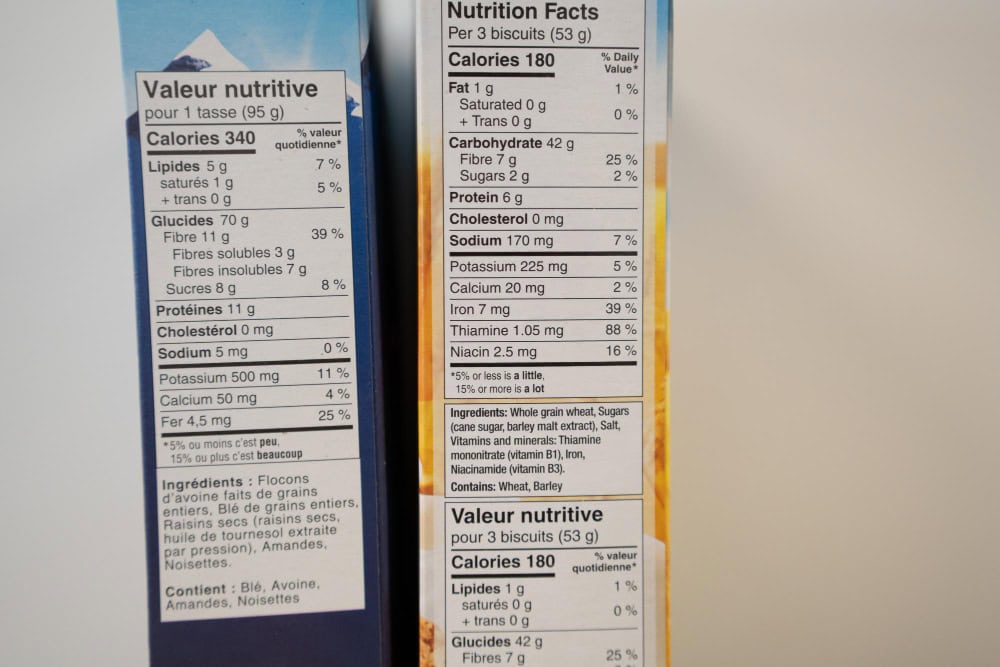
Many ultra-processed foods have a long list of ingredients. A simple rule of thumb: the longer and more unfamiliar the ingredient list, the more processed the food likely is.
Common warning ingredients:
Sugar, vegetable oil, artificial sweeteners, and multiple preservatives, emulsifiers and shelf-life extenders such as sorbic acid, calcium propionate, etc.
What to do instead?
Opt for the least altered versions of those foods with short ingredient lists, such as grains, pulses, spices, oils and salt.
Red Flag 2: Thickeners, Stabilisers or Emulsifiers

One of the strongest indicators of ultra-processing is the presence of texture-altering additives. These are added to improve mouthfeel, prevent separation of ingredients (or ingredients stay mixed instead of splitting apart), and extend shelf life.
Ingredients to watch for: Soy lecithin, guar gum, xanthan gum, carrageenan, etc.
These ingredients help the product stay smooth and stable for weeks or months – but they are not necessary in home-cooked food.
Red Flag 3: Artificial Colours, Sugars and Flavours
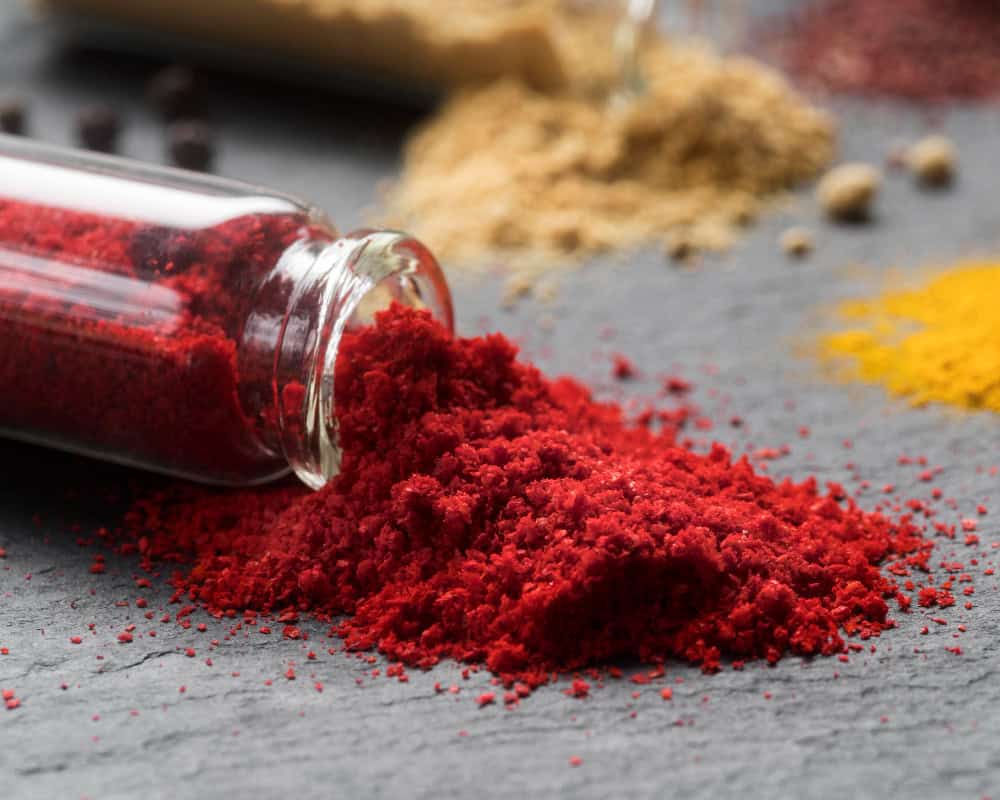
Bright colours and strong flavours rarely come from real food in packaged products. Artificial additives are used to enhance taste, appearance and shelf life.
Common additives:
- Artificial food colours (INS numbers or E numbers)
- Artificial vanilla or fruit flavour
- Sweeteners such as aspartame, sucralose, and acesulfame.
Classic example: yoghurt
- Ideal yoghurt ingredients include milk and live cultures.
- Flavoured yoghurts often include sugar, starch, flavours and concentrates.
Smarter swap: You can buy plain yoghurt and can add fruits, nuts or toppings of your choice.
Why should you be conscious?
Sometimes, regular intake of artificial additives may lead to altered gut health, increased cravings, and poor appetite regulation.
Expert advice: You don’t need drastic changes to cut down on ultra-processed foods. Simple swaps can make a big difference. Choose plain curd instead of flavoured yoghurt. Plain oats over instant oats. Roasted nuts instead of flavoured snacks and breads with fewer ingredients, says Dr Syeda Aafia, Medical Content Expert at Tata 1mg.
Red Flag 4: Highly Refined Base Ingredients
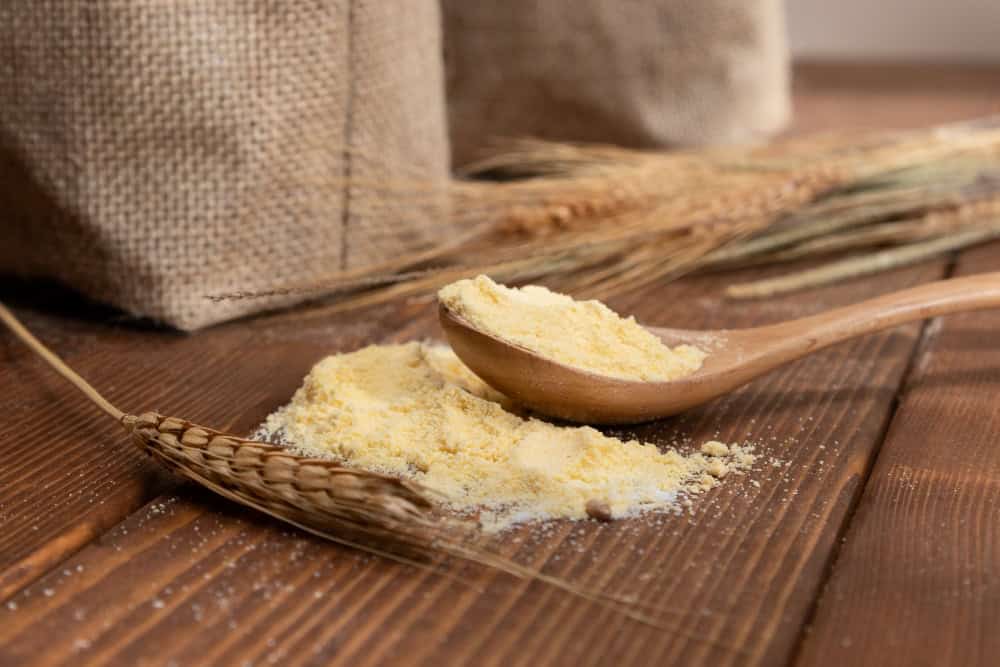
Ultra-processed foods often start with refined ingredients stripped of fibre and nutrients.
Common examples:
Using refined wheat flour rather than whole grain, corn starch over whole corn, refined vegetable oils, and protein isolates rather than whole food protein like beans or meat.
What gets lost? Vital fibre, balanced macronutrients, and the natural sense of fullness that comes from whole food are all lost.
Red Flag 5: Loud Health Claims on the Front of the Pack

Ultraprocessed foods love flashy marketing buzzwords to distract from poor ingredient quality.
Common claims such as: High protein, low fat, immunity boosting, and fortified with vitamins.
Food example:
Breakfast cereals, flavoured yoghurts, snack bars, salad dressings, and canned soups often fall into this category.
What Global Health Experts Are Saying?

Global health bodies like the World Health Organization (WHO) are paying close attention to the rise in ultra-processed food. Research shows that eating these foods often can increase the risks of diabetes, heart disease, stroke, or other lifestyle conditions.
The practical takeaway is to make whole or minimally processed food your top priority most of the time. And treat ultra-processed food as special occasions rather than everyday necessities.
FAQs
Q: Are all packaged foods ultra-processed?
A: No, food items such as rice, dal, milk, frozen veggies, plain oats, or nuts are minimally processed and healthy.
Q: How can I spot ultra-processed food quickly?
A: Keep an eye out for lengthy ingredient lists, chemicals, artificial sweeteners, or flashy health claims.
Q: Are ultra-processed foods bad for weight loss?
A: Yes, they can make it difficult to control weight because they are easy to overeat and low in fibre.
Q: What are the 5 most processed foods to avoid?
A: Try to avoid sweetened drinks, chocolates, some ready-to-eat meals, packaged meat, and pastries.
Q: What is the easiest grocery shopping rule?
A: If you find the ingredient list more like a lab formula than a kitchen recipe, it’s time to avoid it.
Q: Is ‘high-protein’ packaged food healthy?
A: Not always. Because there are many protein bars and shakes that claim to be high in protein but are ultra-processed.
Q: Can ultra-processed food cause lifestyle diseases?
A: Yes, if your consumption is high on ultra-processed food, it may cause diabetes, obesity, heart disease, or other metabolic diseases.
Q: What is the difference between processed and ultra-processed food?
A: Ultra-processed foods contain industrial ingredients and additives. But processed foods are slightly altered, such as roasted nuts or curd.
Q: Can ultra-processed food cause weight gain?
A: Yes, ultra-processed foods are high in calories, low in fibre, and easy to overeat. Over time, this can lead to weight gain.
Recommended Reads:
No Gym No Dieting: Easy Winter Fat Loss Through NEAT
10 Side Effects of Eating Frozen Fruits and Vegetables
(The article is written by Nancy Dixit, Subject Matter Expert, and reviewed Dr.Subita Alagh, Assistant Team Lead, Disease Content.)