
Winter changes everything. The air dries out. Your skin feels tight. Your hair decides to test your patience. One day it behaves. Other days, it simply refuses to fall in line.
You try to be calm. You tell yourself, “It’s just the weather.”
Then you spot more strands on your pillow. And suddenly, every home remedy you’ve ever heard of starts calling your name.
But winter has its own rules. Some remedies that sound helpful end up doing more harm than good. And if you want your hair to stay put, you need to skip a few of the most popular ones.
Applying Hot Oil Directly to Your Scalp

Hot oil feels comforting in winter. You warm it a little, then a little more, and then… a little too much. It feels amazing when you apply it. Almost like your scalp sighs.
But your scalp doesn’t enjoy that heat as much as you think. Hot oil shocks the skin. Roots get irritated. Hair loosens. The shedding begins in a few days, and you can’t understand why.
You tell yourself it must be stress or maybe the shampoo. But the truth is simpler. Your scalp just wants gentle warmth, not a frying pan moment.
Use lukewarm oil. Think “warm cup of tea,” not “fresh off the stove.” Your hair will stay calmer, and you won’t feel betrayed during your next shower.
Washing Your Hair with Hot Water

Hot showers feel like a reward when the weather gets cold. You stand under the water and forget the outside world for a moment. It’s peaceful.
But hot water strips your scalp of every bit of natural oil it has left. Once those oils disappear, dryness creeps in. Then the itchiness. Then breakage. And finally, hair fall feels unfair.
You notice the flakes. You wonder if it’s dandruff. Sometimes it is. Sometimes it’s just your scalp begging for mercy.
Your hair doesn’t need freezing water. Lukewarm does the job. End with a quick cool rinse if you can handle it. Your scalp stays balanced, and your hair holds its strength.
Using Onion Juice Too Often
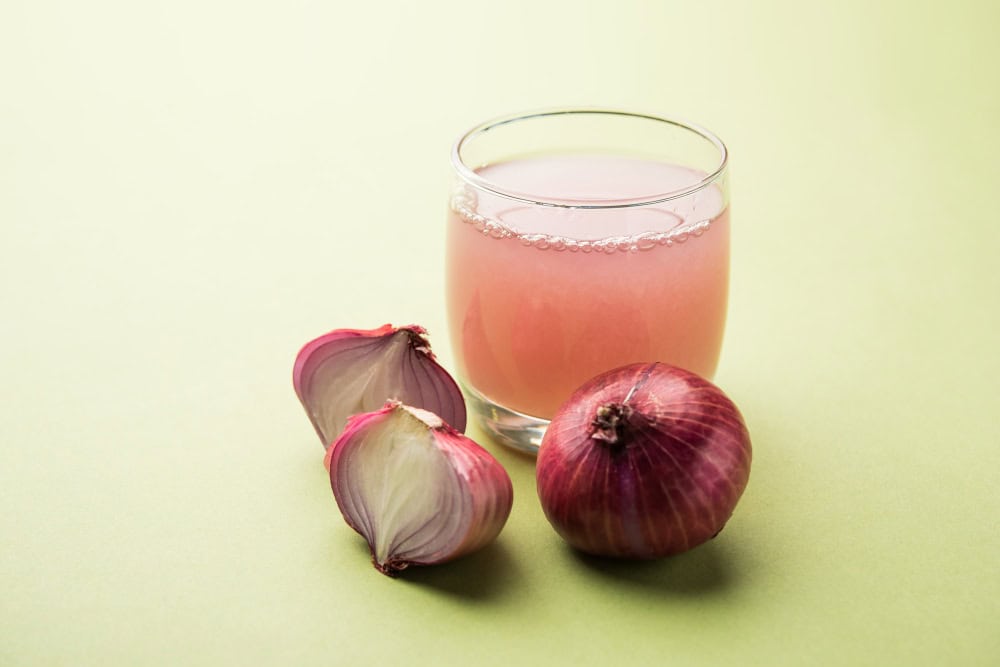
Onion juice became a hero online. You see it everywhere. People claim it rescues weak hair and wakes up sleeping follicles.
It can help, but not when the weather gets cold. Onion juice is strong. Winter scalps are sensitive. The two don’t get along. If your scalp feels dry and then you hit it with onion juice three times a week, it reacts. Redness. Itching. Irritation. More shedding.
You may not connect the dots at first. You only know your hair is falling faster.
Use onion juice once a week if you must. Mix it with aloe vera to soften its punch. Winter calls for kindness, not strong kitchen experiments.
Overusing Baking Soda or Lemon to “Clean the Scalp.”
You’ve had those days when your hair feels heavy. Too much oil. Too much dust. Too much of everything. You want a fresh start, so you grab baking soda or lemon because they look harmless in the kitchen.
Baking soda is not harmless. It’s too harsh. It changes your scalp’s pH and roughens each strand. Your hair loses its smoothness and starts breaking from the middle.
Lemon stings for a reason. It’s acidic. It tightens the scalp until it dries out. Then breakage and shedding arrive like uninvited guests.
Winter already dries the air around you. You don’t need to dry your scalp either. Stick to a mild shampoo. It cleans without drama. Your scalp stays safe. Your hair stays attached.
Using Egg or Multani Mitti Masks in Winter
Egg masks and multani mitti have been passed down through families for years. Someone in every household swears by them. But winter turns them into the opposite of what you expect.
Egg dries fast in the cold. Once it dries, your hair stiffens. Stiff hair breaks. You don’t see it happening, but you hear it in the comb.
Multani mitti absorbs oil. That’s great in summer. In winter, it absorbs too much. Your scalp ends up dry, tight, and flaky. Not a good setup for strong roots.
Use hydrating masks instead. Yogurt, honey, banana, and coconut milk. Soft ingredients with a soft touch.
Picture this
You wake up and spot extra hair on the pillow. You stare at it for a few seconds, almost waiting for it to explain itself. You brush your hair, and more strands gather on the floor. You feel a small knot in your stomach.
You search your memory for home remedies. You remember what your mother used. You remember what your friend swears by. You feel hopeful.
Then winter steps in and reminds you that your scalp needs gentler care right now. Not heat. Not strong juices. Not clarifying tricks.
Just balance. Moisture. Patience.
When you stop these five habits, your hair slowly settles. The fall reduces. Your scalp feels calmer. The shower drain stops collecting evidence of your stress. You touch your hair and it feels alive again.
You don’t need fancy products. You just need to stop doing the wrong things at the wrong time.
Winter hair fall doesn’t mean you’re losing control. It means your scalp wants a break. Give it a break, and you’ll see the difference faster than you think.
FAQs
1. Why does hair fall increase in winter?
Winter pulls moisture out of your scalp. When the scalp dries out, the roots weaken. Weak roots let go of hair more easily. You also tend to take hot showers, stay indoors under heaters, and use heavy products. All of this adds up and shows as extra hair fall.
2. Can home remedies make winter hair fall worse?
Yes. Some remedies look harmless, but push your scalp too far during winter. Hot oil, onion juice, baking soda, lemon, and multani mitti can irritate or dry the scalp. When the scalp reacts, hair fall increases.
3. Should you oil your hair in winter?
Yes, but do it the right way. Use warm, not hot, oil. Keep it on for 30 to 45 minutes. Too much heat or leaving heavy oil overnight can trigger hair fall in winter.
4. Is washing hair less often better in the cold season?
Usually, yes. Winter doesn’t make your scalp sweaty. Washing too often strips natural oils and dries the scalp. Twice a week works for most people. If your scalp gets oily fast, you can adjust gently.
5. Does hot water really cause hair fall?
Hot water dries the scalp and weakens roots. When you wash your hair with hot water, the strands become more fragile. Use lukewarm water instead. Your scalp stays calm, and your hair stays stronger.
(The article is written by Mantasha, Sr. Executive, Clinical Health & Content, and reviewed by Monalisa Deka, Deputy Manager, Clinical Health & Content, Medical Affairs.)