How can we help?
Weil Felix Test for Rickettsia

Weil Felix Test for Rickettsia

Also referred as
WF test
For men & women
Earliest reports in
96 hours
Contains
1 test
Know more about this test

The Weil Felix Test for Rickettsia test is a blood test that suggests possible rickettsial infection when correlated clinically, particularly in patients presenting with fever, rash, and a history of tick, mite, or flea exposure.

Samples required
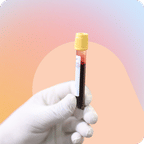
Blood

Find out
Why is this test booked?

Preparation for this test

Sample Collection
Who will collect your samples?

Understanding Weil Felix Test for Rickettsia

Rickettsial infections are a group of vector-borne diseases caused by obligate intracellular bacteria of the genus Rickettsia. These infections are usually transmitted to humans through bites of infected arthropods such as ticks, mites, lice, or fleas. Common rickettsial diseases include epidemic typhus, scrub typhus, and spotted fever group rickettsioses. Patients with rickettsial infections often present with acute febrile illness, rashes (exanthema), and visceral symptoms such as nausea, vomiting, abdominal pain, and malaise.

The Weil Felix Test for Rickettsia is a traditional serological test used to support the diagnosis of  rickettsial infections. It is based on the principle of cross-reactivity between antibodies produced during a rickettsial infection using Proteus antigens. If these antibodies are present in the blood, they react with the Proteus antigens and form agglutination (clumping), which may indicate an infection.

Doctors may recommend the Weil Felix Test for Rickettsia test for symptoms suggestive of rickettsial infection (fever, rash, headache, neurological symptoms) or known vector exposure. It provides screening support but cannot confirm infection, assess severity, or monitor treatment.

Usually, no special preparation is required for this test. Eat and drink as per the daily routine. However, sharing the clinical history, current medications, and supplement use with the doctor before giving the sample is preferred, as these may influence the results.

Test result ranges are approximate and may differ slightly between labs depending on the methodology and laboratory guidelines. Do not self-medicate and always consult a doctor to understand the test results correctly. 

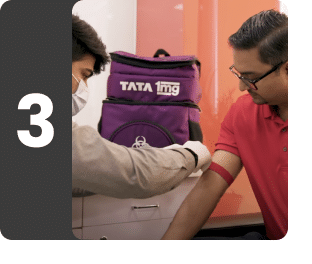
Please note: This is an outsourced test. The sample for this test is collected by TATA 1MG and processed at a NABL accredited partnered lab.

See more

What does Weil Felix Test for Rickettsia measure?

The Weil Felix Test for Rickettsia test detects the presence of antibodies against Rickettsia bacteria in the blood by using an agglutination reaction with specific Proteus antigens (OX19, OX2, OXK). A positive result suggest possible rickettsial infection especially when considered alongside symptoms and exposure history. 

A negative result, however, does not completely rule out infection, as the test’s sensitivity can vary. While the Weil-Felix Test is simple, widely available, and cost-effective, it has limitations in sensitivity and specificity compared to modern diagnostic methods. False positives and negatives can occur, so results are typically interpreted in combination with clinical findings and, if needed, confirmatory tests such as Immunofluorescence Assay or PCR. Despite these limitations, the test remains valuable in resource-limited settings where advanced diagnostic tools are not accessible.

FAQs related to Weil Felix Test for Rickettsia

The Weil Felix Test for Rickettsia test is a blood test that helps screen rickettsial infections caused by bacteria transmitted through ticks, mites, fleas, or lice. It works by identifying antibodies in your blood that react with certain Proteus antigens.
This test is commonly used to screen for: typhus fever, Rocky Mountain spotted fever, scrub typhus, and other rickettsial infections.
This test is recommended if you have symptoms suggestive of rickettsial infections, such as persistent fever and rash, severe headache, nausea, vomiting, or abdominal pain, or if there is a history of exposure to ticks, fleas, or lice.
A blood sample is drawn from a vein, usually in the arm. The blood is tested for antibodies that react with Proteus antigens.
Positive results suggest a possible rickettsial infection. Your doctor may recommend further testing or treatment. Negative results do not completely rule out infection, especially in the early stages. Symptoms and exposure history are important for interpretation.
Yes, the test is safe. It only involves a small blood draw, and there are no major risks associated with it.
No fasting or special preparation is needed. It is recommended to share your symptoms, exposure history, and medications with the doctor for an accurate interpretation of results.
They are usually treated with antibiotics, most commonly doxycycline. Start the treatment early if there is a high clinical suspicion of rickettsial infection to reduce the risk of complications.
Yes, prevention includes avoiding tick, flea, or mite bites, using insect repellents, wearing protective clothing, and checking for ticks after being outdoors.
Tata 1mg ensures accurate lab test results through certified laboratories that use advanced technology and adhere to stringent quality control measures. This commitment to high standards guarantees reliable results.

Weil Felix Test for Rickettsia test price for other cities

Price inBangaloreRs. 969
Price inNew DelhiRs. 899
Price inKolkataRs. 809
Price inPuneRs. 959
Price inMumbaiRs. 969

How does home sample collection work?

Download the Tata 1mg app. Trusted healthcare, at your fingertips.

Book tests, track reports, and get AI-powered health insights.

or
Conducted by
NABL accredited partner lab
Accredited labs
Highly skilled Phlebos
Verified reports
Who will collect your samples?
Tata 1mg certified phlebotomists
Contains 1 test
Weil Felix Test for Rickettsia