







Urine C/S (Urine Culture and Sensitivity)




The Urine C/S (Urine Culture and Sensitivity) test helps detect harmful bacteria and yeast (a few Candida spp.) in urine that may be causing a urinary tract infection (UTI). Additionally, the sensitivity test helps identify the antibiotics most effective against those particular bacteria. It is also used to determine if there is resistance to any antibiotics.








Understanding Urine C/S (Urine Culture and Sensitivity)
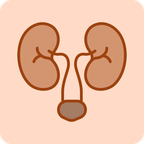
Urine is the body’s liquid waste made when the kidneys filter out toxins from the blood. It comprises water, salt, electrolytes such as sodium and potassium, and some metabolic end products. The pathway followed by urine from the kidneys to the outside is called the urinary tract. Sometimes, the urinary tract may get infected by some microorganisms, causing a urinary tract infection (UTI).
The Urine C/S (Urine Culture and Sensitivity) test is usually done when you experience symptoms of UTI, such as:
- Burning sensation while passing urine
- Back pain
- Lower abdominal pain
- Urinating more often than usual
- Painful or frequent urination
- Blood in the urine, etc., for approximately 3-4 days and does not subside
This test helps identify infection-causing microorganisms. If the results are positive, the sensitivity test helps determine which drugs (or antibiotics) are likely most effective for treating the infection. On the other hand, a negative urine culture indicates no signs of microbial infection; hence, it will not show sensitivity to various antibiotics.
Before the test, avoid urinating for at least 4 hours before collecting the sample to ensure accurate results. Also, avoid drinking excessive fluids before collecting the urine sample, as it may dilute the urine and affect the results. The doctor may ask you to stop taking certain medications, like antibiotics and supplements, before a Urine C/S (Urine Culture and Sensitivity) test, as they may affect your test results. A midstream urine sample should be collected into a sterile container provided by the sample collection professional. Provide a minimum quantity of 10 mL of urine to ensure an adequate sample for testing. Women are advised not to give the sample during the menstrual period unless prescribed, as that can interfere with certain test results.
Test result ranges are approximate and may differ slightly between labs depending on the methodology and laboratory guidelines. Talk to your doctor about your specific test results. Narrate your complete medical history to help the doctor correlate your clinical and laboratory findings. The test results will help them determine your medical condition and formulate your treatment plan.
Lifestyle Tips to Prevent Urinary Tract Infection (UTI):
🥤Hydration: Keep it up! Stay hydrated to help flush out bacteria and reduce the likelihood of urinary tract infections (UTIs).
🥙Eat (Diet): Cranberry compounds may help prevent urinary tract infections (UTIs)

👨⚕️Talk to Your Doctor (Consult): If you have persistent UTI symptoms or are at high risk, consult your doctor about taking a urine culture test.
💊Habits (Antibiotics): Do not self-medicate. Your doctor may prescribe antibiotics to treat a UTI.





 YES (39)
 NO (9)







- Urine Culture [Internet]. Rochester, NY: University of Rochester Medical Center; [Accessed 23 Feb. 2023]. Available from:

- Szlachta-McGinn A, Douglass K, Chung U, et al. Molecular Diagnostic Methods Versus Conventional Urine Culture for Diagnosis and Treatment of Urinary Tract Infection: A Systematic Review and Meta-analysis. European Urology Open Science. Oct. 2022;22:113-124. [Accessed 23 Feb. 2023]. Available from:
- Becker GJ, Garigali G, Fogazzi GB. Advances in Urine Microscopy. Am J Kidney Dis. 2016;67(6):954-964. [Accessed 23 Feb. 2023]. Available from:
- Lamchiagdhase P, Preechaborisutkul K, Lomsomboon P, Srisuchart P, Tantiniti P, Khan-u-ra N, Preechaborisutkul B. Urine sediment examination: A comparison between the manual method and the iQ200 automated urine microscopy analyzer. Clin Chim Acta. 2005;358(1-2):167-174. [Accessed 23 Feb. 2023]. Available from:
- Leber AL, editor. Clinical microbiology procedures handbook. 4th ed. Washington, D.C.: American Society for Microbiology; 2016. Available from:
- Dutta C, Pasha K, Paul S, Abbas MS, Nassar ST, Tasha T, Desai A, Bajgain A, Ali A, Mohammed L. Urinary Tract Infection Induced Delirium in Elderly Patients: A Systematic Review. Cureus. 2022 Dec 8;14(12):e32321. Accessed 23 Apr. 2025]. Available from:
- McCollum BJ, Garigan T, Earwood J. PURL: Can drinking more water prevent urinary tract infections? J Fam Pract. 2020 Apr;69(3):E19-E20. PMID: 32289134; PMCID: PMC7271893. Accessed 23 Apr. 2025]. Available from:
- Cranberry Juice, Cranberry Tablets, or Liquid Therapies for Urinary Tract Infection: A Systematic Review and Network Meta-analysis [Internet]. ScienceDirect; [Accessed 23 Apr. 2025]. Available from:
- 15 Tips To Keep Your Bladder Healthy [Internet]. NIA; 24 Jan. 2022 [Accessed 23 Apr. 2025]. Available from:
- Urinary Tract Infection Basics [Internet]. CDC; 22 Jan. 2024 Accessed 23 Apr. 2025]. Available from: