Sign in to your account
or
By signing in you agree to our
Terms & conditions
 and 
Privacy policy

HIV 1 and 2 Antibody, Rapid Screening Test

Also referred as
HIV 1 & 2 Antibody-Rapid
HIV 1 and 2 card test
For men & women
Earliest reports in
12 hours
Contains
1 test
Test price:
₹259
Upto 15% extra discount with coupon
Min. order value: ₹5000 | Coupon: 1MGNEWG
arrow
discount_stamp
More offers available
Know more about this test

<font color='#864291'>Know more about this test</font>

An HIV 1 and 2 Antibody, Rapid Screening Test detects the presence of antibodies against HIV-1 and HIV-2, the two primary strains of the human immunodeficiency virus (HIV). This test can be done if you suspect an accidental exposure to this virus or contact with someone who is infected. This test helps in the early diagnosis and management of HIV infection.
Samples required
Blood

Find out
Why is this test booked?
Preparations
No special preparation is required.

Sample Collection
Who will collect your samples?
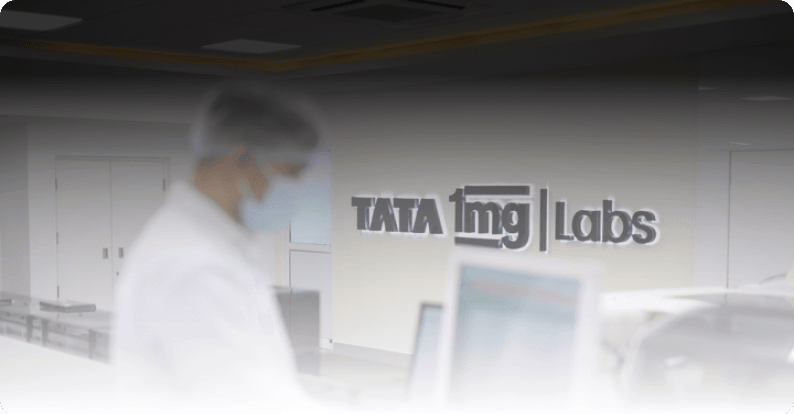
Conducted by
know_more_icon
Tata 1mg Labs
chevron
most trusted lab
Accredited labs
Highly skilled Phlebos
Verified reports
Who will collect your samples?
Tata 1mg certified phlebotomists
View phlebo details

Understanding HIV 1 and 2 Antibody, Rapid Screening Test

HIV is transmitted through sexual contact, by sharing needles or syringes for intravenous use, by blood transfusion from an HIV-infected person, or by an infected mother to an unborn baby. For the first few weeks of an HIV infection, the patient may have a flu-like illness and the HIV increases rapidly in blood. After 2-8 weeks, the body starts producing antibodies against the virus and these can then be detected in the blood. The typical course of HIV infection includes three stages: primary or acute infection, chronic or clinical latency stage, and finally AIDS when HIV has severely damaged the immune system.

An HIV 1 and 2 Antibody, Rapid Screening Test detects the presence of HIV antibodies in blood. These antibodies may take about 6-12 weeks (upto 6 months in some cases) to form after infection/ exposure, in detectable quantity. This period is called the window period. During this period the HIV antibodies are not detected in the test but the person can infect others.

Your doctor may advise this test if you show symptoms of HIV infection, such as sudden weight loss, night sweats, extreme tiredness, swollen lymph nodes, white spots in your mouth, pneumonia, forgetfulness, depression, etc. You may also get tested if you are at risk of acquiring HIV infection or have been exposed to the blood of an HIV-infected individual. This test also helps to differentiate between HIV-1 and HIV-2 infection. However, since there is high cross-reactivity between the two subtypes, it needs to be confirmed by Western Blot and/or HIV RNA PCR (as viral load monitoring test).

If an infection is confirmed, the test results are said to be positive, while if there is no virus detected, the test results are said to be negative. Sometimes the test may be negative even though you may be harboring the virus. This happens due to the window period. The window period represents the period between infection with HIV and the time when HIV antibodies can be detected in the blood. A blood test performed during the window period may yield a negative test result for HIV antibodies. These cases may require further testing after 12 weeks. The antibody test is not advised in children below 18 months of age, due to the persistence of the mother's antibodies. Then the diagnosis of HIV is made by Polymerase Chain Reaction (PCR) tests that detect HIV nucleic acid.

You may talk to your doctor about all the pre-test instructions. No special preparation is required for this test; eat or drink normally as per your daily routine. However, a duly filled consent form is mandatory for sample collection. As per NACO guidelines, all reactive samples are tested by three different methods before the release of the report. All reactive results must be confirmed with a Western Blot Test. 

Test result ranges are approximate and may differ slightly between different labs depending on the methodology and laboratory guidelines. Talk to your doctor about your specific test results. Narrate your complete medical history to help the doctor correlate your clinical and laboratory findings. The test results will help them determine your medical condition, make recommendations for lifestyle modifications such as diet and exercise, decide whether or not medication will be required to manage your condition and formulate your overall treatment plan. 

See more

What does HIV 1 and 2 Antibody, Rapid Screening Test measure?

An HIV 1 and 2 Antibody, Rapid Screening Test detects HIV-1 and HIV-2 antibodies in the blood and confirms the presence of human immunodeficiency virus (HIV). HIV-1 was discovered first and is the most widespread, whereas HIV-2 is more than 55% genetically different from HIV-1. The transmission rate of HIV-2 is also slower than HIV-1. This test also helps to differentiate between the two HIV infections. However, due to high cross-reactivity between the two subtypes, confirmation tests such as western blot or PCR must be performed.

Packages containing HIV 1 and 2 Antibody, Rapid Screening Test
Did you find information useful ?
yesYES (20)
noNO (6)

HIV 1 and 2 Antibody, Rapid Screening Test test price for other cities

Price inBangaloreRs. 529
Price inNew DelhiRs. 259
Price inKolkataRs. 239
Price inMumbaiRs. 389
Price inPuneRs. 529
Book a HIV 1 and 2 Antibody, Rapid Screening Test test at home near me
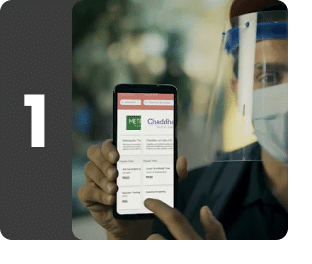
Easy online booking
Easy online booking
Search for tests and packages, book your preferred time slot and enter your address for seamless at-home lab tests.
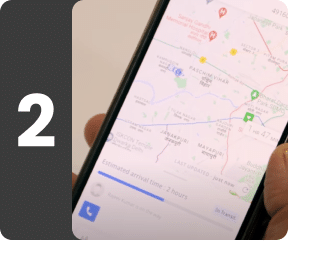
Live tracking of phlebotomist
Track our trained phlebotomist's real time location for seamless sample collection.
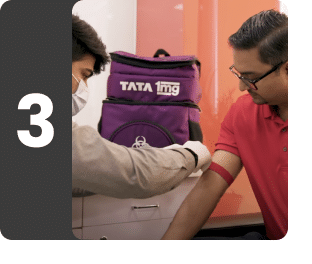
Safe Sample Collection
Our phlebotomists follow strict safety protocols to collect samples safely at home and on time.
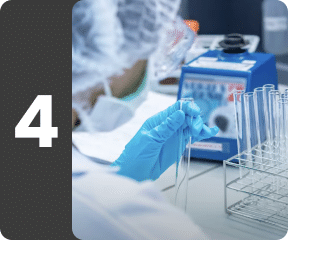
Sample received at lab
Samples are transported securely to our accredited labs with world-class machines for testing by qualified experts.
Quick, Doctor-Verified Reports
Get doctor-approved reports via email and WhatsApp, with options for doctor follow-ups and AI insights.

FAQs related to HIV 1 and 2 Antibody, Rapid Screening Test

An HIV 1 and 2 Antibody, Rapid Screening Test is a diagnostic tool used to detect HIV-1 and HIV-2 antibodies, the primary strains of the human immunodeficiency virus (HIV).
There are 3 types of HIV tests, namely Antibody test, Antigen/Antibody test, and Nucleic acid test.
There is usually no risk associated with this test. However, some people may feel a slight sting when a needle is pricked and may experience some bleeding that is normal and usually not bothersome. Some people may also experience slight swelling or bruising at the site of the needle prick. Applying ice 3-4 times daily for about a week may help reduce swelling and bruising. If it does not get better, consult your doctor.
The screening tests available for HIV include a combination of HIV antibody and HIV antigen tests, HIV antibody testing, and p24 antigen testing.
HIV infection can typically be detected by a blood test within a few weeks to a few months after exposure, depending on the type of HIV test used. Some common types of HIV tests and their detection window include: a). An Antibody test can typically detect HIV antibodies within 3 to 12 weeks (even longer in some cases). b). An Antigen/Antibody test can detect the infection after 2 to 6 weeks of exposure. c). A Nucleic Acid test is one of the earliest tests available for detecting HIV infection. It can detect HIV’s RNA (genetic material) within days to a few weeks. d). HIV self-test kits have a detection window of 3 to 12 weeks post-exposure.
An HIV infection is not curable, but proper treatment can be started if diagnosed early. Antiretroviral therapy (ART) is used to treat the infection. This therapy helps reduce the levels of the virus in the body, which will improve the health.
The symptoms of an HIV infection are similar to those of influenza and other viral infections, such as fever, sore throat, and muscle and joint pain. The symptoms may go unidentified for years. To avoid such a condition, the best way is to get screened for HIV infections periodically.
Window period represents the period between infection with HIV (or contact with the virus) and the time when HIV antibodies can be detected in the blood. A blood test performed during the window period may yield a negative test result for HIV antibodies. These cases may require further testing after 12 weeks.
Yes, you can test for an HIV infection at home. Tata 1mg offers an HIV self-test kit to check for an infection.
A positive result indicates that you have been infected with HIV-1, HIV-2, or both. It's crucial to follow up with confirmatory tests and seek medical care.
Typically, it takes a few weeks to a few months for the body to produce detectable levels of antibodies. Testing during this period may result in a false negative, so follow-up testing is often recommended.
You can take this test if you've engaged in activities that may have exposed you to HIV, such as unprotected sex or sharing needles, or if you are pregnant as part of routine prenatal care.
Contains 1 test
Report delivery
Samples required
Preparations
Why is this test booked?
Coupon details
Available Offers