







Glucose Challenge Test 50g (Glucose 1 Hour Obstretical)
Also referred as
50-g GLT (Non-fasting)
Glucose load test

For women
Earliest reports in

12 hours

Contains

1 test
Test price:
₹89
Upto 15% extra discount with coupon
Min. order value: ₹5000 | Coupon: 1MGNEWG


More offers available

Know more about this test

The Glucose Challenge Test 50g (Glucose 1 Hour Obstretical) is a preliminary blood screening test done during pregnancy (usually between 24 and 28 weeks) to assess the risk of developing gestational diabetes mellitus (GDM). The test involves drinking a 50g glucose solution and measuring blood sugar levels one hour later to determine if they fall within a normal range.


Samples required
Blood

Find out
Why is this test booked?

Preparation for this test

Sample Collection
Who will collect your samples?
Conducted by

Tata 1mg Labs


Accredited
labs
Highly skilled
Phlebos
Verified
reports
Who will collect your samples?
Tata 1mg certified phlebotomists
Test Information is reviewed by: Dr. Swati Gupta (Anand), MBBS, MD Lab Medicine and written by Dr. Lipika Khurana, BDS, PGDHHM . The test details are for information purpose only. Consult a doctor before taking any test. Last updated on: 3rd Sep 2026
Did you find information useful ?
 YES (1)
 NO (2)
Book a Good Health Gold Package with Smart Report test at home near me

Easy online booking
Search for tests and packages, book your preferred time slot and enter your address for seamless at-home lab tests.

Live tracking of phlebotomist
Track our trained phlebotomist's real time location for seamless sample collection.
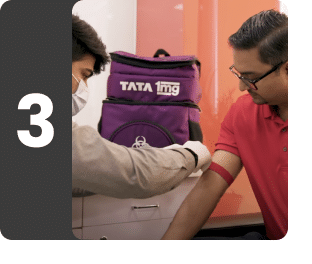
Safe Sample Collection
Our phlebotomists follow strict safety protocols to collect samples safely at home and on time.
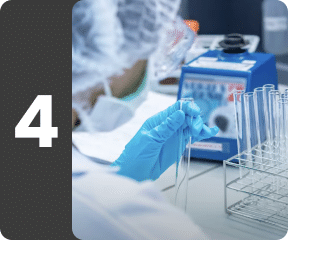
Sample received at lab
Samples are transported securely to our accredited labs with world-class machines for testing by qualified experts.
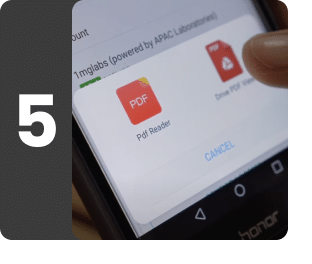
Quick, Doctor-Verified Reports
Get doctor-approved reports via email and WhatsApp, with options for doctor follow-ups and AI insights.



References
- Madziarska K, Zmonarski S, Penar J, Krajewska M, Mazanowska O, Augustyniak-Bartosik H, Gołebiowski T, Klak R, Weyde W, Klinger M. Glucose challenge test (50-g GCT) in detection of glucose metabolism disorders in peritoneal dialysis patients: preliminary study. Int Urol Nephrol. 2015 Apr;47(4):695-700. [Accessed 03 Oct. 2024]. Available from:

- Quintanilla Rodriguez BS, Vadakekut ES, Mahdy H. Gestational Diabetes. [Updated 2024 Jul 14]. In: StatPearls [Internet]. Treasure Island (FL): StatPearls Publishing; 2024 Jan-. Available from:
- Abu-Heija A, Al-Bash M, Ishrat N, Al-Kharausi L. 50 Grams Oral Glucose Challenge Test: Is It an Effective Screening Test for Gestational Diabetes Mellitus? J Obstet Gynaecol India. 2016 Oct;66(Suppl 1):7-11. [Accessed 03 Oct. 2024]. Available from:
- Rani PR, Begum J. Screening and Diagnosis of Gestational Diabetes Mellitus, Where Do We Stand. J Clin Diagn Res. 2016 Apr;10(4):QE01-4. [Accessed 03 Oct. 2024]. Available from:
- Diabetes in Pregnancy Study Group India (DIPSI) and WHO (1999) diagnostic criteria for GDM: A meta-analysis [Internet]. ScienceDirect; [Accessed 03 Oct. 2024]. Available from:
- van Leeuwen M, Louwerse MD, Opmeer BC, et al. Glucose challenge test for detecting gestational diabetes mellitus: a systematic review. 2012. In: Database of Abstracts of Reviews of Effects (DARE): Quality-assessed Reviews [Internet]. York (UK): Centre for Reviews and Dissemination (UK); 1995-. Available from:
Contains 1 test
Report delivery
Samples required
Preparations
Why is this test booked?
Coupon details
Available Offers