How can we help?
Copper Serum

Copper Serum

Also referred as
Copper Blood Test
For men & women
Earliest reports in
120-144 hours
Contains
1 test
Know more about this test

The Copper Serum test measures the amount of copper in the blood. Copper is an essential mineral that supports red blood cell production, collagen formation, energy generation, and the proper functioning of the nervous and immune systems. This test helps support the diagnosis and monitoring of conditions related to copper metabolism, nutritional imbalances, and certain liver or neurological disorders.
Samples required
Blood

Find out
Why is this test booked?

Preparation for this test

Sample Collection
Who will collect your samples?

Understanding Copper Serum

Copper is a vital trace mineral that plays a central role in maintaining health. It aids in the production of hemoglobin, collagen, and enzymes that regulate energy metabolism. Copper also supports the nervous and immune systems. Both deficiency and excess levels can cause health problems. Copper deficiency may lead to anemia, bone abnormalities, or nervous system issues, while excess copper can damage the liver, brain, and other organs.

The Copper Serum test is used to identify copper toxicity (excess copper) or deficiency in the body. It may be advised when there are symptoms that may include fatigue, weakness, frequent infections, skin changes, hair loss, or neurological symptoms like numbness or tingling in hands and legs. This test is particularly relevant for individuals with conditions such as Wilson's disease, a genetic disorder that leads to copper buildup in the body, or Menkes disease, which results in copper deficiency. Additionally, it is also useful for monitoring copper levels in individuals undergoing treatment for conditions that impact copper absorption or excretion, such as gastrointestinal disorders.

For this test, it is advised to avoid herbal supplements for at least 3 days before sample collection, and the test should not be taken within 96 hours after imaging procedures that use gadolinium or iodine-based contrast media, as these may interfere with the results.

Test result ranges may vary across laboratories. Abnormal test results require expert interpretation. Therefore, self-medicating at home based solely on these results should be avoided. Always consult a doctor for a proper understanding of the test results.

Please note: This is an outsourced test. The sample for this test is collected by TATA 1MG and processed at a NABL accredited partnered lab.

See more

What does Copper Serum measure?

The Copper Serum test measures the concentration of copper in the blood, an essential mineral required for red blood cell production, collagen formation, energy metabolism, and the healthy functioning of the nervous and immune systems. The results help determine whether copper levels are normal, too low, or too high. Low copper levels may indicate nutritional deficiency, poor absorption, or genetic conditions like Menkes disease, which can lead to anemia, bone fragility, and neurological problems. High copper levels may suggest Wilson’s disease, liver dysfunction, or copper toxicity, which can damage the liver, brain, and other organs. 

This test is performed using a highly specialised mass spectrometric technique (ICP-MS), which allows precise measurement of trace elements in body fluids. By detecting abnormal copper levels, the test helps doctors evaluate underlying conditions, guide treatment, and monitor therapy for copper-related disorders.

FAQs related to Copper Serum

The Copper Serum test measures the amount of copper in your blood to check for copper deficiency, excess, or disorders like Wilson’s disease and Menkes disease. It also helps evaluate liver health and monitor treatment for copper-related conditions.
Yes. You should avoid taking herbal supplements for at least 3 days before the test, and it should not be done within 96 hours of imaging studies that use gadolinium or iodine-based contrast media.
This test requires a simple blood sample, which is analyzed using a highly specialized technique called ICP-MS (Inductively Coupled Plasma Mass Spectrometry) to measure copper levels at trace concentrations.
Fasting is not needed for this test. You can eat and drink normally unless your doctor tells you otherwise.
Low copper levels may suggest nutritional deficiency, poor absorption, Menkes disease, or chronic health conditions. It can lead to anemia, weak bones, or neurological problems.
High copper levels may be linked to Wilson’s disease, liver disease, copper poisoning, or excessive supplementation. It may cause liver damage, mood or neurological changes, or organ dysfunction.
Copper deficiency may cause anemia, fatigue, weak bones, delayed growth, pale skin, frequent infections, or neurological symptoms like numbness and difficulty walking.
Yes. Wilson’s disease (copper accumulation) and Menkes disease (copper absorption problem) are genetic disorders that can be passed down in families.
Foods high in copper include shellfish (especially oysters), nuts (cashews, almonds), seeds (sunflower, sesame), beans, whole grains, liver, and dark chocolate.
Yes. Excess alcohol intake, poor diet, malnutrition, etc., can interfere with copper levels. Maintaining a healthy lifestyle helps in balancing copper.
Tata 1mg ensures accurate lab test results through certified laboratories that use advanced technology and adhere to stringent quality control measures. This commitment to high standards guarantees reliable results.

Copper Serum test price for other cities

Price inBangaloreRs. 1550
Price inNew DelhiRs. 2099
Price inNoidaRs. 2099
Price inGhaziabadRs. 2099
Price inMumbaiRs. 1550

How does home sample collection work?

Download the Tata 1mg app. Trusted healthcare, at your fingertips.

Book tests, track reports, and get AI-powered health insights.

or
Conducted by
Tata 1mg Labs
Accredited labs
Highly skilled Phlebos
Verified reports
Who will collect your samples?
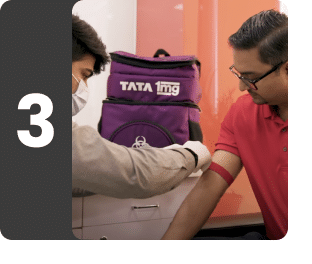
Tata 1mg certified phlebotomists
Contains 1 test
Copper Serum