Maternal Screen (Quadruple test) - 1st Trimester with Preeclampsia, Serum
Also referred as
Maternal Screen
+2
1st trimester Quad
Quad Marker Panel

For women
Earliest reports in

144 hours

Contains

4 tests


More offers available

Know more about this test

The Maternal Screen (Quadruple test) - 1st Trimester with Preeclampsia, Serum is a prenatal blood test for expectant mothers during the first trimester. It helps estimate the risk of the baby having certain chromosomal abnormalities and also checks for the risk of the mother developing preeclampsia.


Samples required
Blood

Find out
Why is this test booked?
Preparation for this test

Sample Collection
Who will collect your samples?
Conducted by

NABL accredited partner lab


Accredited
labs
Highly skilled
Phlebos
Verified
reports
Who will collect your samples?
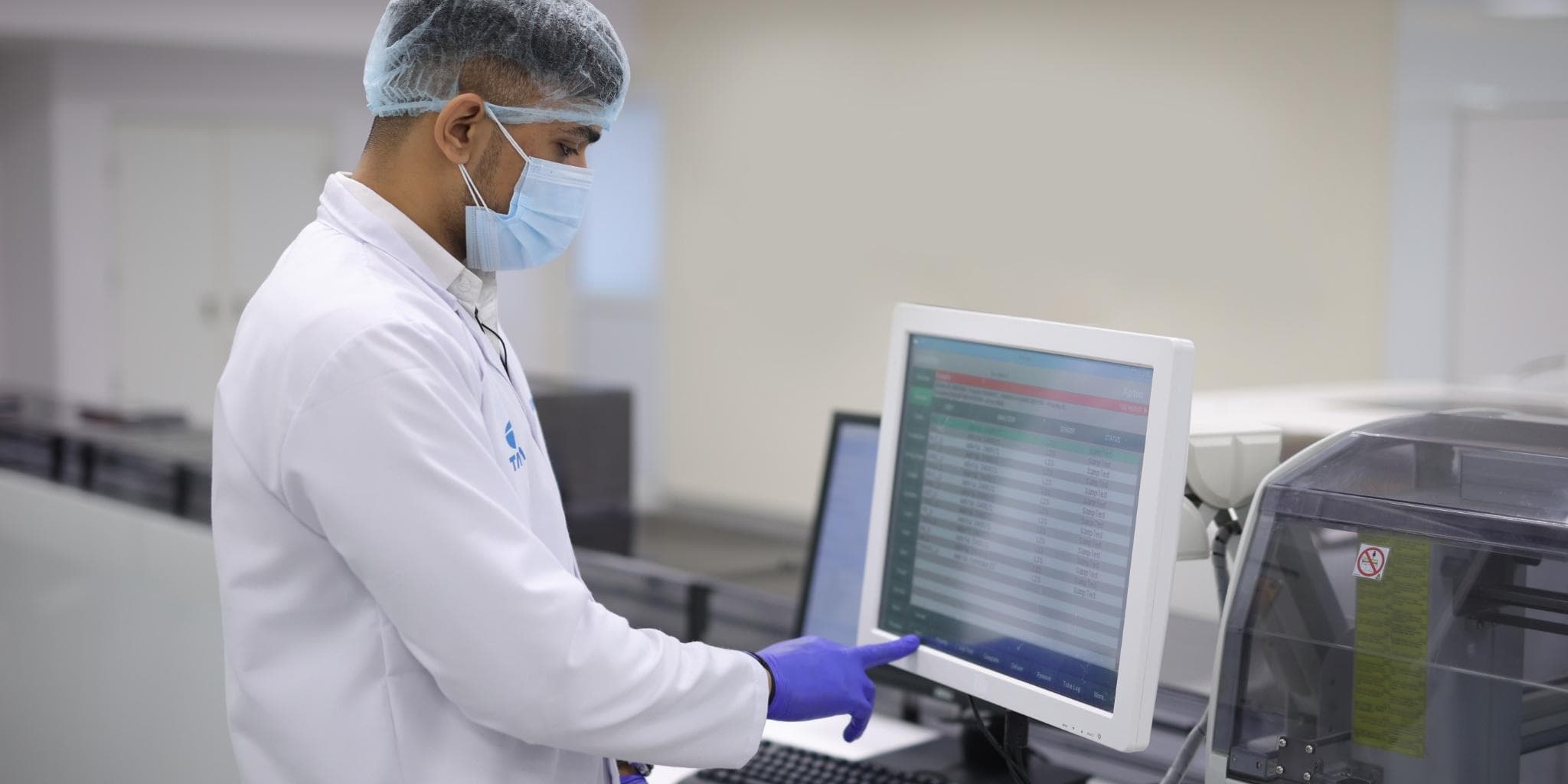
Tata 1mg certified phlebotomists
Know more about lab
Test Information is reviewed by: Dr. Swati Gupta (Anand), MD Lab Medicine, MBBS and written by Dr. Lipika Khurana, PGDHHM, BDS . The test details are for information purpose only. Consult a doctor before taking any test. Last updated on: 21st Jul 2026
Did you find information useful ?
 YES (1)
 NO
NO 
Book a Maternal Screen (Quadruple test) - 1st Trimester with Preeclampsia, Serum test at home near me
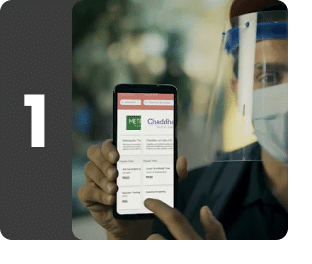
Easy online booking
Search for tests and packages, book your preferred time slot and enter your address for seamless at-home lab tests.
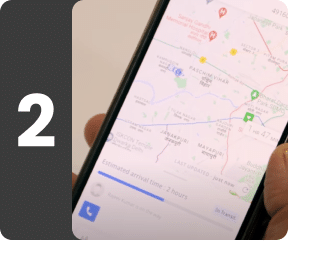
Live tracking of phlebotomist
Track our trained phlebotomist's real time location for seamless sample collection.
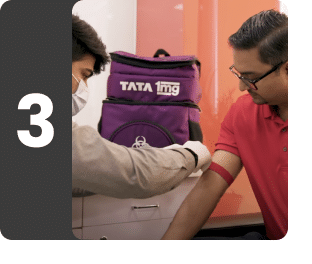
Safe Sample Collection
Our phlebotomists follow strict safety protocols to collect samples safely at home and on time.
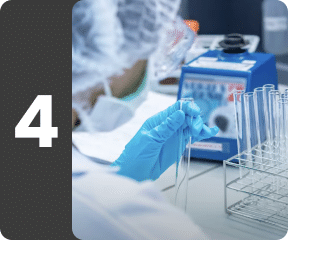
Sample received at lab
Samples are transported securely to our accredited labs with world-class machines for testing by qualified experts.
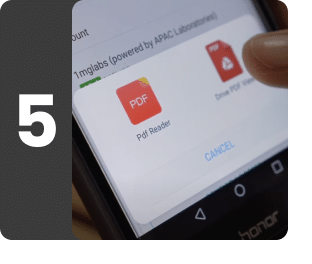
Quick, Doctor-Verified Reports
Get doctor-approved reports via email and WhatsApp, with options for doctor follow-ups and AI insights.



References
- Güdücü N, Görmüş U, Güner Eİ, Güzel O, Kavak ZN. Quadruple test parameters in art pregnancies. Int J Clin Exp Med. 2014 Aug 15;7(8):2319-23. PMID: 25232428; PMCID: PMC4161588. [Accessed 14 Sep. 2025]. Available From:

- American Pregnancy Association. Quad Screen Test [Internet]. American Pregnancy Association; [Accessed 14 Sep. 2025]. Available From:
- Kirwan D. Quadruple screening test [Internet]. Genomics Education (GeNotes), NHS England; 23 Mar 2023 [Accessed 14 Sep. 2025]. Available From:

Recommended for women
This package is designed with women's health considerations in mind, offering targeted assessments to address unique wellness needs and potential risks.
Contains 4 tests
Report delivery
Standard time
144 hrs
For slots after 11 AM, report will be delivered in 144 hours.
Samples required

Blood
1 vial required
Our phlebotomist will draw a blood sample, typically from a vein in your inner elbow.
Preparations
1
Gestational Age: Recommended between 11 weeks to 13 weeks + 6 days.
2
A doctor's prescription is mandatory. For Blood Pressure, Records should be available in the clinician’s prescription (latest preferable; values up to 2 weeks old are acceptable).
3
A duly filled Maternal Serum Screen requisition form is mandatory. Provide information like maternal Date of Birth (dd/mm/yy), Date of the first day of the last menstrual cycle (LMP), Number of fetuses (single/twins), Diabetic status, Body Weight in kg, Height, history of IVF, smoking, history of blood pressure, diabetes, and preeclampsia in earlier pregnancy, Previous Trisomy 21 pregnancy, and Blood Pressure.
4
The latest Ultrasound (USG) report is mandatory. It should include CRL/BPD, nasal bone status, ductus venosus status, and NT value in millimeters.
5
Mandatory requirements for Preeclampsia screening: USG findings of mean arterial pressure (MAP) and uterine artery pulsatility index (UAPI), the patient’s blood pressure (BP), and height should be included as per maternal TRF requirements.
6
For BP records: Phlebos will not be measuring BP, only collecting the data if provided in your doctor’s prescription. In case not available, the patient needs to share BP values, (within a maximum of 24 hours) through the Customer Care team. BP values must be shared by the patient via recorded proof only (verbal values will not be accepted).
7
Samples may be rejected if mandatory details are not provided within the specified time.
8
Please note that this test is not valid for triplets and above.
Why is this test booked?
1
To estimate the risk of the baby having certain chromosomal abnormalities, such as Down syndrome and Edwards syndrome
2
To check the risk of the baby having a neural tube defect
3
To assess the mother's risk of developing preeclampsia
4
To help guide the decision for further diagnostic testing, if needed
Available Offers
Get additional 15% off
Get 15% off on your first order of lab tests
Maximum discount: ₹300
1MGNEW

Get additional upto 15% off
Get upto 15% off on your lab tests
Maximum discount: ₹1500
1MGNEWG
Upto ₹650 off on all lab tests
Get upto ₹650 off on all lab tests
Maximum discount: ₹650
1MGSUPER
Upto Rs 1500 off on all lab tests
Get upto ₹1500 off on all lab tests
Maximum discount: ₹1500
1MGSUPERMAX
Flat 20% off on all lab tests
Get flat 20% off on all lab tests
Maximum discount: ₹2500
1MGMAX20
Who's behind your sample collection?




MEET YOUR PHLEBO

Certified & experienced professionals
Tata 1mg phlebotomists are DMLT / B.Sc MLT certified and have 1+ years of experience

Best in-class collections
Tata 1mg phlebotomists are trained for painless, single-prick hygienic sample collection

Comprehensive expertise
Other than sample collection, our phlebos are also skilled in first aid, ECG & BP monitoring
WHAT OUR CUSTOMERS ARE SAYING
Better service
~ Manisha Kobnak

Good
~ Dhandapani Kavitha