


Sign in to your account
or
By signing in you agree to our
Terms & conditions
 and 
Privacy policy

Gatifloxacin

Written By Dr. Anuj SainiReviewed By Dr. Rajeev Sharma
Last updated 25 Nov 2025 | 09:34 AM (UTC)

Gatifloxacin Uses

Gatifloxacin is used in the treatment of bacterial infections. It is also used in infections of urinary tract, tonsils, sinus, nose, throat, female genital organ, skin & soft tissues and lungs (pneumonia).

Available generics for Gatifloxacin

Order with generics and save upto 50%
How Gatifloxacin works

Gatifloxacin is an antibiotic. It works by stopping the action of a bacterial enzyme called DNA-gyrase. This prevents the bacterial cells from dividing and repairing, thereby killing them.

Common side effects of Gatifloxacin

Headache, Vomiting, Nausea, Stomach pain, Diarrhea, Dizziness
prefix_icon
Get medicines for Gatifloxacin
suffix_icon
Authenticity

Want to Know More

Read Our Editorial Policy

Expert advice for Gatifloxacin

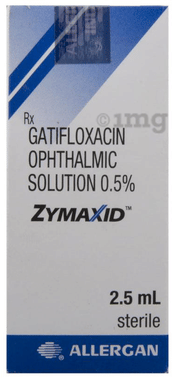
  • Gatifloxacin oral (tablet and suspension) and injection form has been withdrawn from the market, as it has shown incidences of abnormally high or low blood sugar levels in humans. However, its ophthalmic form (eye drop) is available to treat bacterial infections of the eye, which is considered to be safe for use.

  • Your doctor has prescribed Gatifloxacin to cure your infection and improve symptoms.
  • Do not skip any doses and finish the full course of treatment even if you feel better.
  • Discontinue Gatifloxacin and inform your doctor immediately if you get a rash, itchy skin, swelling of face and mouth, or have difficulty in breathing.
  • Diarrhea may occur as a side effect but should stop when your course is complete. Inform your doctor if it doesn't stop or if you find blood in your stools.
  • Notify your doctor if you feel pain in your tendons, numbness, or tingling sensations.
  • Inform your doctor if you are pregnant or planning to conceive or breastfeeding.

Frequently asked questions for Gatifloxacin

No, do not stop taking Gatifloxacin and complete the full course of treatment even if you feel better. Your symptoms may improve before the infection is completely cured.