






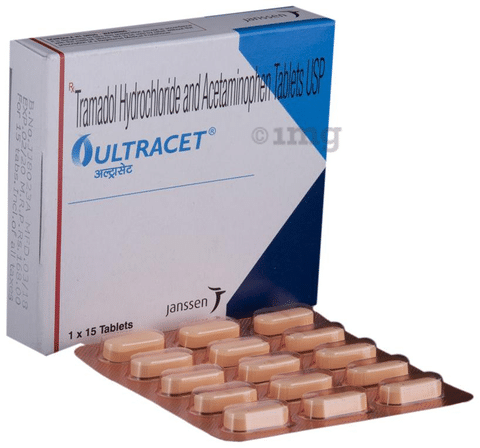
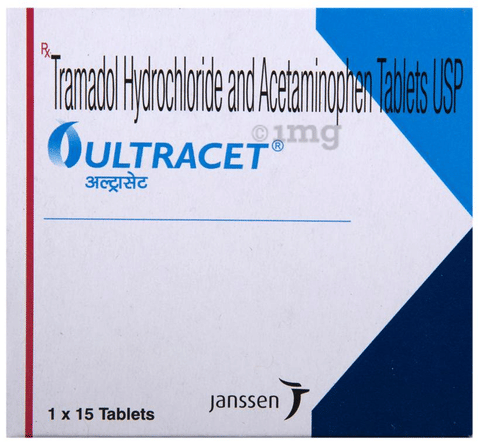
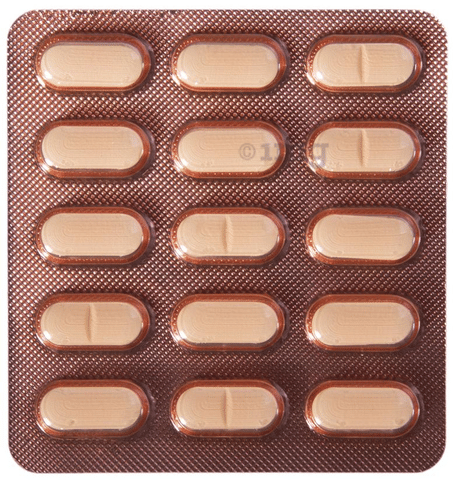
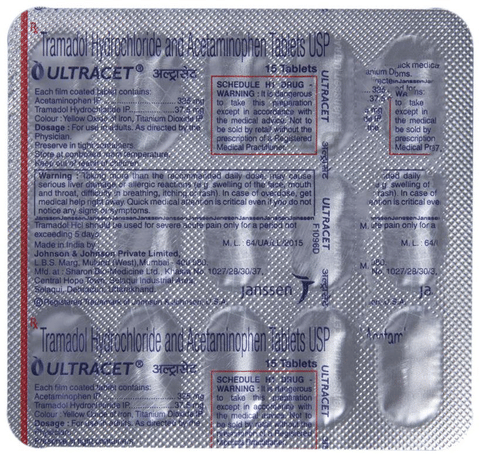
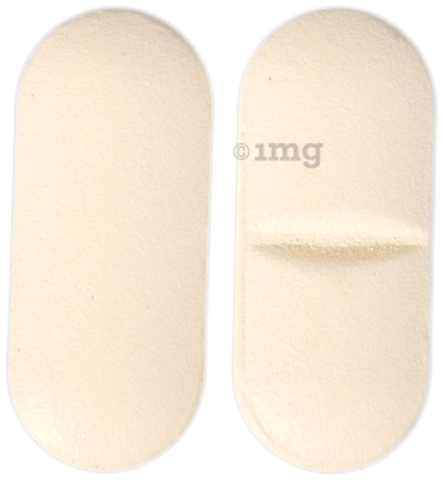

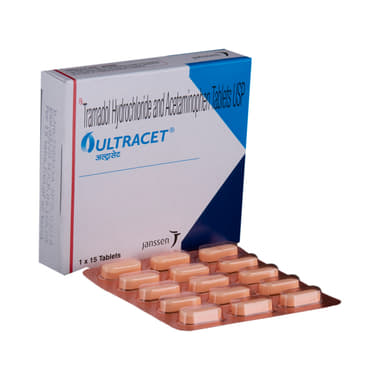
Ultracet Tablet
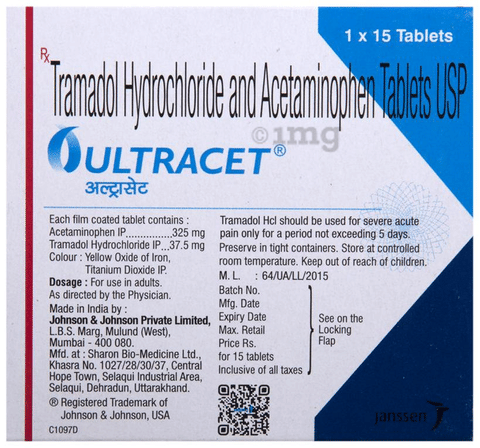
Tramadol (37.5mg)+ Paracetamol (325mg)
 Genuine
Authenticity Assured
 Prescription
required
Product Summary :
Ultracet Tablet is a pain-relieving (analgesic) medicine containing tramadol and paracetamol. It is used for the short-term management of moderate to severe pain. This includes postoperative pain, severe headaches, and pain caused by injuries. It works by changing how the brain perceives pain and reducing pain signals in the body. Common side effects include nausea, dizziness, and sleepiness. Use this medicine only as prescribed, and do not exceed the recommended dose, as it may be habit-forming. Avoid consuming alcohol while taking this medicine, as it may increase drowsiness and the risk of side effects.Written By Dr. Anuj Saini, MMST, MBBS,
Reviewed By Dr. Mekhala Chandra, MD, MBBS,
Last updated on 26 Oct 2026 | 01:01 AM (IST)
Save more with additional offers

Get upto Rs.150 Cashback on minimum transaction of Rs.599/- with Mobikwik UPI (@ikwik).
Get upto Rs.150 Cashback on minimum transaction of Rs.599/- with Mobikwik UPI (@ikwik).


Get up to ₹75 cashback on a minimum order value (MOV) of ₹499 and above, valid once per customer.
Get up to ₹75 cashback on a minimum order value (MOV) of ₹499 and above, valid once per customer.
Get up to ₹75 cashback on a minimum order value (MOV) of ₹499 and above, valid once per customer.
Get up to ₹75 cashback on a minimum order value (MOV) of ₹499 and above, valid once per customer.
Get upto Rs.150 Cashback on minimum transaction of Rs.599/- with Mobikwik UPI (@ikwik).
Get upto Rs.150 Cashback on minimum transaction of Rs.599/- with Mobikwik UPI (@ikwik).
Get up to ₹75 cashback on a minimum order value (MOV) of ₹499 and above, valid once per customer.
Get up to ₹75 cashback on a minimum order value (MOV) of ₹499 and above, valid once per customer.
Get up to ₹75 cashback on a minimum order value (MOV) of ₹499 and above, valid once per customer.
Get up to ₹75 cashback on a minimum order value (MOV) of ₹499 and above, valid once per customer.

Assured cashback up to ₹300*. T&C Apply*
Assured cashback up to ₹300*. T&C Apply*
General Information
Contains
Tramadol (37.5mg)+ Paracetamol (325mg)
Marketer
Janssen Pharmaceuticals
Storage
Store below 30°C
The content is shown in English



Safety advice

Alcohol
UNSAFE
It is unsafe to consume alcohol with Ultracet Tablet

Pregnancy
CONSULT YOUR DOCTOR
Ultracet Tablet is not recommended during pregnancy as there is positive evidence of fetal risk based on animal studies. However, it may still be prescribed by a doctor in situations where the benefits outweigh the risks.

Breast feeding
SAFE IF PRESCRIBED
Ultracet Tablet may be safe to use during breastfeeding. Animal studies have shown low or no adverse effects to the developing baby; however, there are limited human studies.
Consult a doctor immediately if the baby shows signs of increased sleepiness (more than usual), difficulty breastfeeding, breathing problems, or limpness.
Consult a doctor immediately if the baby shows signs of increased sleepiness (more than usual), difficulty breastfeeding, breathing problems, or limpness.

Driving
UNSAFE
Ultracet Tablet may decrease alertness, affect your vision, or make you feel sleepy and dizzy. Do not drive if these symptoms occur.
Kidney
CAUTION
Ultracet Tablet should be used with caution in patients with kidney disease. Dose adjustment may be needed.

Liver
CAUTION
Ultracet Tablet should be used with caution in patients with liver disease. Dose adjustment may be needed.
However, the use of Ultracet Tablet is not recommended in patients with severe liver disease or active liver disease.
However, the use of Ultracet Tablet is not recommended in patients with severe liver disease or active liver disease.
References


100% genuine products

Safe & secure payments

No contact delivery

Fully sanitized facilities

Want to know more
We provide you with authentic, trustworthy and relevant information
Have issue with the content
Why we need a prescription?

