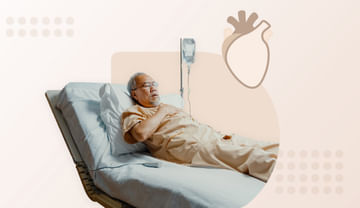
Many of us think heart failure means the heart has stopped working, but that’s not true. It simply means the heart isn’t pumping blood as well as it should. Over time, the heart muscles can weaken or stiffen, making it harder to supply the body with enough blood.
While the risk of suffering from heart failure increases with age, certain factors can put you at risk even at a young age. These include having a high BMI (body mass index), unhealthy choices such as smoking, a sedentary lifestyle, consuming a diet high in saturated and trans fats as well as diseases that damage your heart.
Various treatment options can help in heart failure and many people live active lives. Medications for heart failure aim to manage the symptoms, improve the quality of life as well as increase the lifespan. Medical devices, surgery, or heart transplants are sometimes recommended to help the heart function better.
Devices for heart failure: Implantable cardiac defibrillator (ICD), Cardiac resynchronization therapy (Biventricular Pacing), and Ventricular assist devices (VADs).
Specialists to consult
Cardiologist
Cardiac surgeon
Symptoms Of Heart Failure
The symptoms of heart failure may start suddenly or progress gradually over weeks or months. The most common symptoms of heart failure and their reasons are listed below:
Chest pain can be mistaken for heartburn or a heart attack, but they’re not the same. Read this article to learn the key differences and when to seek medical help.
Stages Of Heart Failure
There are four stages of heart failure based on severity:
Symptom-free (asymptomatic) heart failure: There are no symptoms, but certain tests can detect that the heart isn't performing as well as it should.
Mild heart failure: Strenuous exercises like walking up the stairs cause symptoms like extreme tiredness or shortness of breath. However, mild activity doesn't cause any symptoms.
Moderate heart failure: Even everyday activities and light physical exercise like walking on a level surface can cause symptoms.
Severe heart failure: It is a critical condition where the heart can no longer pump enough blood to meet the body's needs, leading to serious symptoms and complications.
Your heart is a powerful muscle, and when it starts to weaken, symptoms can appear anywhere in the body. Watch out for these seven unexpected signs that your heart may need attention.
Causes Of Heart Failure
Heart failure occurs when the heart isn’t pumping blood effectively, either due to weak contractions or inadequate filling.
It can affect the right side (reducing blood flow to the lungs) or the left side (limiting oxygen-rich blood to the body), often starting with the left side first.
Several risk factors can increase the risk of heart failure, which are discussed in the next segment.
Risk Factors For Heart Failure
Most people who develop heart failure have (or had) another heart condition first. The most common conditions that can lead to heart failure are:
1. Heart conditions
Coronary artery disease: It causes build-up of plaque (fatty deposits) in the arteries that supply blood to your heart muscle leading to narrowing of the blood vessels.
Heart attack (myocardial infarction): It reduces/blocks blood flow to the heart muscle and impacts the heart’s ability to pump blood.
Cardiomyopathy (heart muscle disease): These diseases of the heart muscle may lead to left ventricle dysfunction, damage the heart muscles and change the structure of your heart making it harder for your heart to pump blood.
Valvular heart disease (Disease of heart valves): Rheumatic fever may permanently damage the heart valves leading to heart failure.
Hypertension (High blood pressure):When the blood pressure is high, your heart has to pump harder than normal to maintain blood circulation.
Atrial fibrillation (AF): It refers to the irregular and rapid beating of the heart.
Untreated congenital heart defects: Although rare, it is a condition in which the heart and its chambers may not be formed correctly at birth.
Take charge of your heart health today! Small steps can make a big difference in reducing the risk of heart failure. Explore our range of cardiac care products to support a healthier heart!
2. Non-modifiable factors
Age: Advancing age increases the risk of heart failure as the heart muscles weaken and blood vessels stiffen over time.
Gender: Women are at a higher risk of heart failure if they have hypertension, while men are greatly impacted if they have coronary artery disease.
Race/ethnicity: More common in young in black-skinned people, particularly men, and people of Hispanic (Spanish) origin.
Genetic predisposition: A family history of heart disease can increase the risk of heart failure due to inherited genetic factors affecting heart function.
Quitting smoking is one of the best things you can do for your heart health. Ready to make the change? Check out "Want To Quit Smoking? 7 Practical Ways To Do So!" for expert tips!
Diagnosis Of Heart Failure
1. Blood tests
Serum electrolytes: Detects imbalances that may indicate heart failure severity or medication effects.
Random blood sugar: Identifies diabetes, a key risk factor for heart failure.
Serum creatinine: Assesses kidney function, which can be affected by heart failure.
Serum albumin: Low levels may indicate poor nutrition or fluid buildup due to heart failure.
Chest X-ray: It shows the accumulation of fluid in the lungs & and enlargement of the heart in patients with heart failure.
Electrocardiography (ECG or EKG): This test records the electrical activity in the heart by using sensors that can determine heart failure associated with other heart conditions.
Echocardiography (Echo): An echocardiogram is an ultrasound, which is used to determine the volume of the blood in the heart, mass, and valve functioning of the heart.
Multigated acquisition scan (MUGA scan): This is a non-invasive diagnostic test that shows how well the lower chambers of your heart (ventricles) are pumping blood.
Ejection fraction (EF): It measures how well the heart pumps blood, helping diagnose heart failure and determine its severity.
Treadmill test (TMT) or exercise stress test: It helps diagnose heart failure by assessing how well the heart functions under stress (physical activity) and detecting reduced blood flow.
Stay on top of your heart health with easy and accurate lab tests from Tata 1mg. Book now for reliable results from the comfort of your home!
Prevention Of Heart Failure
Prevention of diseases that damage the heart is the best way to keep heart failure at bay. The following pointers can help you understand the preventive measures to avoid or delay heart failure:
1. Be active
Exercising can help to improve your general well-being and heart function by maintaining a healthy weight, blood pressure, blood cholesterol, and blood sugar levels.
2. Maintain a healthy weight
Lose weight to attain body mass index (BMI) between 18.5 and 24.9
Pay more attention to losing abdominal or belly fat as it can increase the risk of heart disease more than fat on any other part of the body.
Achieve your weight loss goals with Tata 1mg’s medically supervised weight management program.
3. Say No to smoking
Smoking can damage your arteries which can cause heart failure.
Also, try to stay away from secondhand smoke.
Want to quit smoking? Explore our widest range of smoking cessation products that can help you get rid of this deadly habit.
4. Limit alcohol intake
Do not drink too much alcohol, which can raise your blood pressure.
Men should consume no more than 2 drinks per day, and women no more than 1 drink per day.
Mind-body practices such as Tai Chi, yoga, Qi Gong, and meditation can help in managing stress and thereby preventing heart diseases that lead to heart failure.
6. Focus on quality sleep
Make lifestyle changes to get sound sleep, like going to bed and getting up at the same time every night, and keeping electronics out of the bedroom.
Sleep problems like sleep apnea can increase the risk of heart failure. If you suffer from it, get treatment at the earliest.
Get the restful sleep you deserve! Explore our range of sleep aid products for better nights and brighter days!
7. Get your annual flu vaccination
The flu shot helps to prevent lung infections which can worsen the symptoms of heart failure.
You can now get your vaccination shots from the comfort and safety of your home with Tata 1mg.
Note: For individuals at risk of developing heart failure, screening for natriuretic peptide biomarkers and early intervention may prevent the condition.
Here are essential heart health tips every cardiologist wants you to know for a stronger heart and a healthier life.
Specialist To Visit
If you experience any symptoms of heart failure, do not take them lightly. It is best to consult a doctor who will evaluate the underlying cause of these problems and also assess the functioning of your heart. In addition to a general physician, specialists who can help to diagnose and treat heart failure include:
Cardiologist
Cardiac surgeon
A cardiologist diagnoses and manages heart failure with medications, lifestyle changes, and non-surgical treatments.
A cardiac surgeon performs surgical interventions like bypass surgery, valve repair, or heart transplants for severe heart failure.
Do not take matters of the heart lightly. Consult an expert for the right diagnosis and customized treatment.
Treatment Of Heart Failure
The risk of heart failure can be lowered by home-based lifestyle modifications like diet and exercise. Along with these treatment of heart failure consists of:
1. Medications
Diuretics: Also known as water pills, these drugs work by removing extra water and certain electrolytes from the body. This increases the amount of urine produced and aids in controlling hypertension and treating heart failure. Examples of drugs that belong to this class include:
Angiotensin-converting enzyme (ACE) inhibitors: They work by dilating or widening blood vessels. This makes the blood flow more freely and the heart can pump blood more efficiently. Examples include:
Beta-blockers: They slow down the heart rate and make it easier for the heart to pump blood around the body. They also lower blood pressure and prevent heart attacks. They also widen the blood vessels in the body for better blood flow. Some of the common drugs include:
Aldosterone antagonists: These work by inhibiting the effects of aldosterone, a hormone that causes retention of sodium and water, leading to increased blood volume, and a subsequent increase in blood pressure. These drugs lower blood pressure and reduce fluid around the heart by removing the extra water and electrolytes from the body without loss of potassium. Some of the common examples include:
Angiotensin II receptor blockers (ARBs): This class of drugs lowers blood pressure by relaxing blood vessels, improving blood flow, and reducing strain on the heart. Examples include:
Sacubitril + Valsartan: This combination treats heart failure by relaxing the blood vessels and making it easier for your heart to pump blood throughout your body. In addition, it also helps the body retain less water.
Ivabradine: It reduces the heart rate and lowers the workload on the heart and hence the oxygen requirement. As a result, the pumping action of the heart remains fully efficient.
Isosorbide Dinitrate + Hydralazine: Isosorbide dinitrate relaxes blood vessels to reduce the heart’s oxygen demand, while hydralazine helps maintain its effect.
Dapagliflozin: Originally used for diabetes, this drug also helps heart failure by lowering blood sugar, reducing heart risks, and improving survival.
Get genuine medicines delivered to your doorstep from India’s most trusted online pharmacy.
3. Surgical procedures
Angioplasty: It is the procedure for opening up the blocked blood vessels that can restrict the blood supply to the heart muscle ( a major cause of heart failure).
Coronary artery bypass: The procedure of coronary bypass redirects a blood supply around a blocked artery.
Valve replacement: A defective or diseased valve can be a major cause of heart failure. In valve replacement, a faulty heart valve is replaced by an artificial mechanical valve.
Heart transplantation: A heart transplant is needed if the heart muscle function continues to deteriorate despite treatment. People with end-stage heart failure and those with congenital heart disease require heart transplantation.
4. Devices for heart failure
Implantable cardiac defibrillator (ICD): It is a small battery-powered device placed in your chest to detect and stop abnormal heartbeats. This device delivers electrical signals inside the heart to restore a normal heart rhythm.
Cardiac resynchronization therapy (Biventricular Pacing): It is a treatment for heart failure in people whose ventricles don't contract at the same time.
Ventricular assist devices (VADs): It is an implantable pump that supports blood flow in heart failure patients or those awaiting a transplant.
Home-care For Heart Failure
Simple lifestyle changes can help manage heart failure symptoms. Stay active, manage stress, monitor weight and fluid retention, limit alcohol, and quit smoking for a healthier heart. Apart from these, focus on diet.
Consume a heart-friendly diet
Eat fruits and vegetables, low-fat dairy products, lean protein such as chicken without the skin, and healthy fats like olive oil, walnuts, avocados, and fish like tuna and salmon.
Limit saturated fats, trans fats, and cholesterol in your diet.
Limit salt (sodium) in your diet as excess salt can cause fluid retention and strain your heart. It also elevates your blood pressure.
Limiting sugar in your diet can lower your blood sugar level which can prevent or control diabetes.
Here are some more things that you can do to keep your heart healthy.
Some other simple changes in your lifestyle that can be a major contributing factor in alleviating the symptoms of heart failure include:
Stay physically active: Supervised moderate exercise is an integral part of a healthy heart regimen. It also helps in maintaining a healthy weight as obesity is a known factor that worsens heart failure. You can consult your doctor on which exercise to do in case you are at risk of heart failure.
Keep stress at bay: Stress can increase your blood pressure, hence it is important to manage it effectively. For stress-relieving, you can try yoga and meditation or deep breathing exercises.
Monitor yourself daily for symptoms of fluid retention: Keep a check on symptoms like increased shortness of breath or swelling in ankles which indicate fluid retention.
Complications Of Heart Failure
Some of the common health complications of heart failure include:
Arrhythmia or abnormal heart rhythm: Abnormal heart rhythm conditions such as atrial fibrillation, and ventricular arrhythmias are common in heart failure, affecting about one-third of the people with this condition.
Heart valve damage: It can occur as the heart enlarges and works harder to pump blood due to worsening heart damage.
Thromboembolism: An irregular heartbeat can cause blood to pool which might lead to the formation of blood clots. These clots can cause a stroke, peripheral embolism, deep venous thrombosis, or pulmonary embolism.
Respiratory complications: Pulmonary congestion, respiratory muscle weakness, and pulmonary hypertension (rare) are also seen with heart failure.
Kidney failure: Heart failure can reduce kidney function, leading to waste buildup, high blood pressure, and worsening heart failure.
Anemia: Kidney damage from heart failure prevents the body from making enough erythropoietin (which helps in the synthesis of new red blood cells) causing anemia.
Liver damage: Heart failure reduces blood supply to the liver. Fluid buildup puts too much pressure on the portal vein that brings blood to the liver. This can lead to scarring and liver damage.
Weight and muscle loss: Heart failure can lead to extreme loss of weight and muscle mass.
Living With Heart Failure
Here are a few ways in which people suffering from heart failure can improve their quality of life and lead a healthy life.
1. Keep a watch on your fluid intake and weight
Limit your fluid intake to 1.5 litres or 6 cups of fluid every day.
You can also record or chart the amount of fluid consumption.
Also, keep a check on your weight every day to monitor any signs of fluid retention in the body.
2. Track and manage your symptoms
People with heart failure present with a variety of symptoms, most of which are non-specific.
If you experience any symptoms of heart failure or worsening of the symptoms, then do report them to your doctor.
Also, keep a tab of your symptoms to understand how your condition is faring with time.
3. Coordinate with your doctor
The way in which heart failure continues to develop over time varies from person to person.
In some people the symptoms can be kept under control for many years.
But sometimes the heart becomes weaker after a short amount of time. Keep in regular touch with your doctor.
4. Follow a proper medication regimen
It is a good idea to develop a medication regimen together with your doctor, to avoid interactions between different drugs.
Non-prescription medications should be included too.
For instance, non-prescription painkillers like diclofenac and ibuprofen aren’t suitable for people who have heart failure because they add to the burden on the kidneys.
5. Get vaccinated
Flu and pneumonia pose a greater danger to people who have heart failure (or any heart condition) than to healthy people.
Ask your doctor about getting a yearly influenza (flu) vaccine and a one-time pneumococcal vaccine.
Adults need vaccinations too! Learn more about why and what vaccinations adults require.
Frequently Asked Questions
Heart failure mainly occurs in older people. It usually first arises after the age of 65 and the risk increases with age. More than 10% of people over the age of 70 have heart failure. Also, heart failure presents a decade earlier in the Indian population. That being said, heart failure can occur at any age. The cases of younger individuals suffering from heart failure in India are high as compared to the world.
The condition affects both men and women but it is seen that women, in general, suffer from heart failure later in life as compared to men.
The right amount of exercise is beneficial for people with heart failure. It helps improve the blood flow and also eases some of the symptoms. But do not overdo it. Regular aerobic activity and inspiratory muscle training are recommended after consultation with your doctor.
Elevate your head while sleeping, use pillows for support, and sleep on your side to ease breathing. Limit fluids before bed and follow your doctor’s heart failure management plan.
Some children are born with heart defects (congenital heart disease), which, if untreated, can lead to heart failure. Conditions like coarctation of the aorta cause hypertension, while defects like ventricular septal defect can lead to hypertension.
In our relentless endeavour to keep improving our services, you are our eyes. Kindly take out sometime to guide us on how to serve your better.
Subscribe to stay informed
Subscribe to our carefully crafted informative emailers by Medical Experts and be the first to get the latest health news, tips and important updates.
Want to know more?We provide you with authentic, trustworthy and relevant information
Have issues with the content?
Disclaimer
Tata 1mg's sole intention is to ensure that its consumers get information that is expert-reviewed, accurate and trustworthy. However, the information contained herein should NOT be used as a substitute for the advice of a qualified physician. The information provided here is for informational purposes only. This may not cover all possible side effects, drug interactions or warnings or alerts. Please consult your doctor and discuss all your queries related to any disease or medicine. We intend to support, not replace, the doctor-patient relationship.