Tata 1mg logocart
Location
Location current
Search Icon
How can we help?
Alert icon
IgG Subclass 4 (IgG4)

IgG Subclass 4 (IgG4)

Also referred as
IgG4– IgG Subclass 4
For men & women
Earliest reports in
48 hours
Contains
1 test
Know more about this test
<font color='#864291'>Know more about this test</font>

The IgG Subclass 4 (IgG4) test measures the levels of immunoglobulin G subclass 4 (IgG4) antibodies in the blood. This test helps in the assessment and clinical evaluation of conditions such as autoimmune pancreatitis, sclerosing cholangitis, certain allergic conditions, and IgG4-related disease, a multisystem disorder characterized by inflammation and fibrosis affecting various organs. The test results are interpreted along with clinical history, imaging studies, and other histology correlation to support accurate diagnosis and management.

Samples required
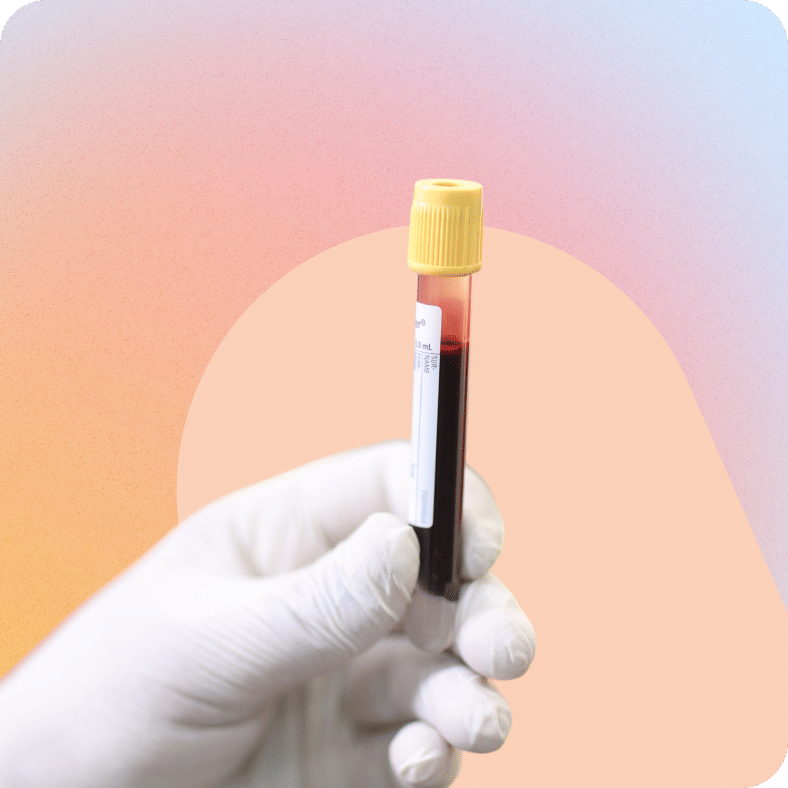
Blood
Find out
Why is this test booked?
Preparations
No special preparation is required.
Sample Collection
Who will collect your samples?

Understanding IgG Subclass 4 (IgG4)

IgG4 antibodies are the least abundant subclass of immunoglobulin G (IgG) in the blood, yet they play an important role in immune regulation. While IgG antibodies help the body respond to infections, abnormal IgG4 levels have been associated with certain immune-mediated conditions. One such condition is IgG4-related disease (IgG4-RD), a chronic disorder that can cause organ enlargement, inflammation, fibrosis, and, in some cases, tumor-like masses. Elevated IgG4 levels are also commonly seen in autoimmune conditions such as autoimmune pancreatitis and may be present in chronic inflammatory or allergic conditions, indicating prolonged immune system activity.

A doctor may recommend the IgG Subclass 4 (IgG4) test when there is unexplained organ enlargement, persistent inflammation, or clinical suspicion of IgG4-related disease based on symptoms and imaging findings. The test may also be advised to support the evaluation of immune-mediated or allergic conditions.

The IgG Subclass 4 (IgG4) test supports the clinical assessment of IgG4-related disease and helps differentiate it from conditions such as malignancies (e.g., lymphoma) and other autoimmune disorders (e.g., lupus). It may also be used as part of ongoing evaluation to monitor disease activity and treatment response, in conjunction with clinical findings and other diagnostic tests.

No special preparation is required for the IgG Subclass 4 (IgG4) test. You may eat and drink normally unless instructed otherwise by your doctor. Inform your doctor about all medications (such as antihistamines, oral steroids, or immunosuppressants) and supplements you are currently taking. Also, inform your doctor about any relevant medical history, including recent infections (such as flu or the common cold), pregnancy, or known immune-related disorders. These factors may influence test results and should be discussed with a healthcare professional for accurate interpretation of the IgG Subclass 4 (IgG4) test results.

Test result ranges are approximate and may differ slightly between labs depending on the methodology and laboratory guidelines. Do not self-medicate and always consult a doctor to understand the test results correctly.

Please note: This is an outsourced test. The sample for this test is collected by TATA 1MG and processed at a NABL accredited partnered lab.

See more

What does IgG Subclass 4 (IgG4) measure?

The IgG Subclass 4 (IgG4) test measures the level of immunoglobulin G subclass 4 (IgG4) antibodies in the blood. IgG4 is one of the four subclasses of IgG antibodies and plays a role in regulating immune responses. Unlike some other antibodies that strongly trigger inflammation, IgG4 is often involved in modulating immune activity during long-term or repeated immune stimulation.

Abnormal or elevated IgG4 levels have been associated with certain immune-mediated and inflammatory conditions, including IgG4-related disease. However, raised IgG4 levels are not specific to a single condition and must be interpreted along with clinical symptoms, imaging findings, and other laboratory tests. For this reason, IgG4 testing is used as a supportive test to aid diagnosis and monitor disease activity rather than as a standalone test.

FAQs related to IgG Subclass 4 (IgG4)

The IgG Subclass 4 (IgG4) test measures the levels of immunoglobulin G subclass 4 (IgG4) antibodies in the blood. It helps diagnose autoimmune pancreatitis, sclerosing cholangitis, and allergy. It also aids in IgG4-related disease, which is a multi-system disorder characterized by fibrosis and inflammation in various organs.
The IgG Subclass 4 (IgG4) test measures IgG4 antibodies in the blood. It is used to support diagnosis of IgG4-related disease, differentiate it from other autoimmune or allergic conditions, and monitor disease activity or treatment response. This is not a general immunity test.
Fasting is not required for the IgG Subclass 4 (IgG4) test. Eat and drink as per your daily routine unless instructed otherwise. Inform the doctor of any medications, supplements, and medical history before taking this test, as all these factors may affect the test results.
The test is done by taking a blood sample from a vein in your arm. The sample is then analyzed in a lab to determine the levels of immunoglobulin IgG subclass 4 antibodies in the blood.
No, the IgG Subclass 4 (IgG4) test is generally safe with minimal risks. You may feel slight discomfort, bruising, or swelling at the blood draw site, which resolves on its own and is not bothersome.
A. High Levels: May be associated with IgG4-related disease (IgG4-RD), certain autoimmune conditions, chronic inflammatory states, or allergies. B. Low Levels: May be seen in immune deficiencies or due to the use of certain medications. It is important to note that the IgG Subclass 4 (IgG4) test alone cannot confirm a diagnosis, and normal results do not completely rule out IgG4-related diseases. Always consult your doctor for proper interpretation of your test
Certain medications, such as steroids (e.g., prednisone), can lower IgG4 levels. Tell your doctor about all medications or supplements you take.
Tata 1mg ensures accurate lab test results through certified laboratories that use advanced technology and adhere to stringent quality control measures. This commitment to high standards guarantees reliable results.

IgG Subclass 4 (IgG4) test price for other cities

Price inMumbaiRs. 6479chevron right
Price inNew DelhiRs. 6299chevron right
Price inBangaloreRs. 6479chevron right
Price inKolkataRs. 6299chevron right
Price inHyderabadRs. 6650chevron right

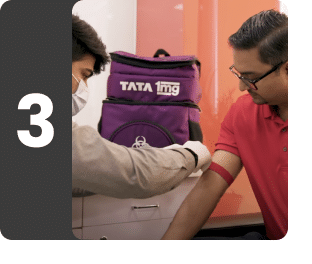
How does home sample collection work?

Download the Tata 1mg app. Trusted healthcare, at your fingertips.

Book tests, track reports, and get AI-powered health insights.

Download on the App Store
Get it on Google Play
or
Scan QR to download the app
Conducted by
NABL accredited partner lab
chevron
Accredited labs
Highly skilled Phlebos
Verified reports
Who will collect your samples?
Tata 1mg certified phlebotomists
View phlebo details
Contains 1 test
IgG Subclass 4 (IgG4)
Alert icon