Causes Of Hyperthyroidism
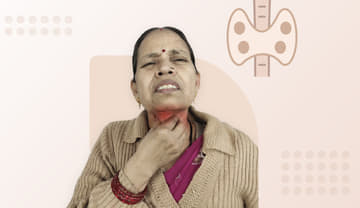
The thyroid gland is a small butterfly-shaped gland in the front of the neck, just below the adam's apple and above the collarbone. It is stimulated by thyroid-stimulating hormone (TSH) produced by the pituitary to produce two main hormones --T4 (thyroxine) and T3 (triiodothyronine). These hormones play a major role in maintaining important bodily functions including:
Normally, the body is supposed to produce the right amount of TSH and thyroxine that can regulate normal functioning in a person. But sometimes, the body produces an excess of TSH or the thyroid gland starts producing extra thyroxine, leading to hyperthyroidism.
1. Primary hyperthyroidism
Primary hyperthyroidism or thyrotoxicosis is present when the disorder lies within the thyroid gland, leading it to produce large amounts of thyroxine. This can be caused due to different conditions such as:
Graves' disease: Graves’ disease, the most common cause of hyperthyroidism, is an autoimmune condition in which the immune system overproduces an antibody called thyroid-stimulating immunoglobulin (TSI). This antibody starts attacking the thyroid gland, which stimulates the thyroid to make excessive thyroid hormone. The exact cause behind Graves' disease is unknown.
Graves' disease is a genetic condition and can pass down in a family. Women are more likely to suffer from Grave's disease than men. It typically presents in people between 30 to 50 years of age.
Thyroid nodules: A thyroid nodule is a lump or growth of cells in the functioning tissue of the thyroid gland. These nodules produce more than the required hormone that leads to hyperthyroidism. Overactive thyroid nodules are usually large (an inch or more in size) and can be big enough to be felt in the neck. Mostly, these nodules are non-cancerous.
Thyroiditis: The swelling or inflammation of the thyroid gland is called thyroiditis. When the thyroid gland swells, it starts leaking excessive hormones that lead to a higher level of thyroid hormones than needed. As a result, one may develop symptoms of hyperthyroidism. Thyroiditis can occur due to infections, an immune system disorder or after the delivery of a baby, known as postpartum thyroiditis.
Hyperthyroidism from thyroiditis usually lasts for a few months. The thyroid usually recovers on its own, but sometimes, it gets damaged. This can lead to hypothyroidism or underactive thyroid.
Iodine: Iodine is a mineral that is used by the thyroid gland to produce thyroid hormones. Consuming too much iodine through diet like seaweed and seaweed-based supplements and medications like some cough syrups or heart medicine amiodarone can result in high thyroid hormone. Rarely, iodine dye or intravenous iodinated contrast used for x-ray based imaging tests can also cause hyperthyroidism.
2. Secondary hyperthyroidism
This condition is rare and arises due to increased stimulation of the thyroid gland by excessive TSH in the circulation. This can be caused due to a non cancerous pituitary tumour that overproduces TSH. The hypothalamus produces thyroid releasing hormone (TRH) that stimulates TSH. Rarely, the overproduction of TRH from the hypothalamus can cause an increase in the levels of TSH.
3. Subclinical hyperthyroidism
Subclinical hyperthyroidism causes low or undetectable levels of TSH with a normal level of thyroid hormones. It can be caused due to medical disorders such as Graves' disease, multinodular toxic goitre (enlarged thyroid gland), and thyroiditis. Medications such as glucocorticoids, amiodarone, and dopaminergic drugs can also cause subclinical hyperthyroidism.
4. Hyperthyroidism in neonates
This is a rare condition seen in neonates of mothers with Graves' disease. In rare cases, hyperthyroidism may occur in the neonates of mothers with a history of treated Graves disease, indicating a remission in their condition.
Sometimes, it is also seen in newborn babies of mothers with a normal thyroid gland function (euthyroid). An increase in maternal TSH-receptor antibodies can cause hyperthyroidism in neonates.