How can we help?
VZV (Varicella Zoster Virus) DNA Detection by RT-PCR

VZV (Varicella Zoster Virus) DNA Detection by RT-PCR

Also referred as
VZV PCR
VZV Real-time PCR
For men & women
Earliest reports in
192 hours
Contains
1 test
Know more about this test

The VZV (Varicella Zoster Virus) DNA Detection by RT-PCR test is used to detect the presence of varicella zoster virus (VZV) DNA in blood samples. This virus is responsible for causing chickenpox (primary infection) and shingles (reactivation). This test supports timely diagnosis, which helps guide treatment.

Samples required
Blood

Find out
Why is this test booked?

Preparation for this test

Sample Collection
Who will collect your samples?

Understanding VZV (Varicella Zoster Virus) DNA Detection by RT-PCR

Varicella zoster virus (VZV) is a highly contagious herpesvirus that causes two major conditions: chickenpox (usually in children) and shingles (in adults due to reactivation of latent virus). After initial infection, the virus remains dormant in nerve tissues and can reactivate later in life, leading to painful rashes and other neurological complications.

The VZV (Varicella Zoster Virus) DNA Detection by RT-PCR test identifies VZV genetic material in a blood sample. It helps confirm an active or reactivated infection, especially in cases where symptoms are not clearly visible or when complications are suspected. This test is particularly useful for detecting VZV in individuals at high risk, such as those with weakened immunity or neurological symptoms linked to viral reactivation.

This test is advised if there are symptoms such as fever, fatigue, headache, itchy blister-like rash on the skin, etc., suggestive of recent VZV infections or exposure to the virus. It is primarily used to support the diagnosis of primary varicella (chickenpox) or to help differentiate between primary infection and reactivation of the virus (shingles) when combined with other findings. It is also useful in evaluating VZV-related complications such as encephalitis, meningitis, or disseminated infections. This test is especially important in hospitalized or immunocompromised patients, where timely diagnosis can guide immediate antiviral treatment and help prevent serious complications or spread to others.

No special preparation is required for this test. However, it is important to inform the doctor about any recent illnesses, vaccinations, or medications, as these factors may impact the results.

Test result ranges are approximate and may differ slightly between labs depending on the methodology and laboratory guidelines. Do not self-medicate and always consult a doctor to understand the test results correctly. 

Please note: This is an outsourced test. The sample is collected by TATA 1MG and processed at a NABL accredited partnered lab.

See more

What does VZV (Varicella Zoster Virus) DNA Detection by RT-PCR measure?

The VZV (Varicella Zoster Virus) DNA Detection by RT-PCR measures the presence of varicella zoster virus (VZV) DNA in the blood sample. This test uses Real-Time Polymerase Chain Reaction (RT-PCR) technology, which amplifies and detects even tiny amounts of VZV DNA with high accuracy and speed. By identifying the genetic material of the virus directly, it supports the diagnosis of active infection; interpretation depends on symptoms and sample type, even when symptoms are unclear or when early diagnosis is critical (such as in immunocompromised patients or those with neurological symptoms).

A positive result indicates the presence of VZV in the body, suggesting infection. A negative result usually rules out active viral presence at the time of testing, although clinical correlation is always essential for final diagnosis.

FAQs related to VZV (Varicella Zoster Virus) DNA Detection by RT-PCR

This test checks for the presence of varicella zoster virus (VZV) DNA in a blood sample. It helps detect if you have an active or reactivated VZV infection to support the diagnosis of chickenpox or shingles.
No, fasting is not required for this test. You can eat and drink as usual unless your doctor advises otherwise.
The VZV (Varicella Zoster Virus) DNA Detection by RT-PCR is a completely safe and minimally invasive test. Follow your doctor’s instructions while collecting the sample.
A positive result means that the varicella zoster virus DNA is present in your blood, suggesting an active or reactivated infection, based on the timing of sample collection.
A negative result means that no varicella zoster virus DNA was detected in your blood at the time of testing. This usually indicates there is no active or reactivated infection. However, your doctor may consider other tests if symptoms persist or if VZV involvement is still suspected.
No, this test detects only active or current viral DNA in the blood. It does not confirm past infections or immunity.
Serious problems can occur and may include pneumonia (bacterial and viral), brain infection (encephalitis), and bacterial skin infection.
Anyone who has not previously been infected with VZV or vaccinated against it is at risk for chickenpox.
The best way to prevent chickenpox is to get vaccinated against VZV. If you have not been vaccinated, you can reduce your risk by avoiding close contact with infected individuals and practicing good hand hygiene.
Tata 1mg ensures accurate lab test results through certified laboratories that use advanced technology and adhere to stringent quality control measures. This commitment to high standards guarantees reliable results.

VZV (Varicella Zoster Virus) DNA Detection by RT-PCR test price for other cities

Price inVisakhapatnamRs. 2919
Price inKolkataRs. 2879
Price inPuneRs. 3119
Price inHyderabadRs. 3040
Price inNew DelhiRs. 2949

How does home sample collection work?

Download the Tata 1mg app. Trusted healthcare, at your fingertips.

Book tests, track reports, and get AI-powered health insights.

or
Conducted by
NABL accredited partner lab
Accredited labs
Highly skilled Phlebos
Verified reports
Who will collect your samples?
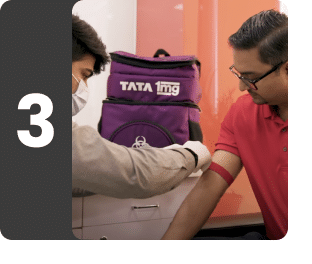
Tata 1mg certified phlebotomists
Contains 1 test
VZV (Varicella Zoster Virus) DNA Detection by RT-PCR