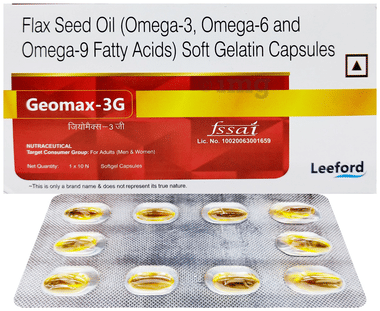
Flaxseed Oil works by supplying the body with essential omega-3, 6, and 9 fatty acids, primarily alpha-linolenic acid (ALA), a type of omega-3. Once consumed, ALA is partially converted into EPA and DHA, active forms of omega-3 that help reduce inflammation, support cell membrane structure, and regulate various body functions. These fatty acids play a key role in maintaining heart health, brain function, skin integrity, and immune response, helping the body correct or prevent deficiencies caused by inadequate dietary intake.
Consider taking Flaxseed Oil with meals to improve absorption and reduce the chance of stomach upset.
Take it regularly and take it at the same time each day to maintain steady levels of essential fatty acids in your body.
Store the medicine in a cool, dry place, away from direct sunlight, to preserve its potency.
Do not consume with hot food or drinks, as high heat can damage the omega fatty acids and reduce their effectiveness.
Complement the medicine with a balanced diet rich in fruits, vegetables, whole grains, and lean protein for better overall results.
Drink enough water throughout the day to support digestion and nutrient absorption.
Frequently asked questions for Flaxseed Oil
It is used as a nutritional supplement to help correct deficiencies in essential fatty acids (omega-3, 6, and 9) and support overall health, including heart, brain, joint, and skin health.
Take it as directed on the label or by your doctor, usually once or twice a day with meals to improve absorption and reduce stomach discomfort.
In most cases, yes. However, you should inform your doctor if you are taking blood thinners, antiplatelet drugs, or any other supplements to avoid potential interactions.
Pregnant or breastfeeding women should consult their doctors before starting this supplement to ensure it’s safe for their individual needs.
It is best not to take it with very hot food or beverages, as high temperatures can break down the delicate fatty acids and reduce their effectiveness.






 Reviewed By Dr. Rajeev Sharma