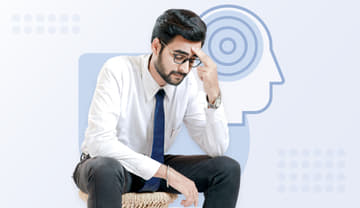
Stress is the body’s natural response to danger or challenge. While stress itself is a normal part of life, recurring stress can interfere with daily activities and overall well-being. Stress can manifest itself in different ways, including excessive worrying, inability to sleep at night, and body aches.
Triggers generally cause stress, and everyone has different stress triggers. Work stress tops the list, according to surveys. Some of the main sources of stress, apart from work, include finances, relationships, parenting, and day-to-day inconveniences.
Long-term stress can affect the whole body and can cause other serious issues, for example, anxiety, depression, and cardiac problems. If you feel stress is starting to interfere with your daily activities, it’s time to reach out for help. The treatment of stress mainly comprises managing the condition, knowing the triggers, and starting therapies along with lifestyle modifications.
Psychotherapies: Cognitive behavioral therapy (CBT), Acceptance and commitment therapy (ACT), Psychodynamic therapy, Positive psychology therapy, Behavioral therapy, Exposure therapy, and Group therapy.
Medications:Alprazolam, Lorazepam, Sertraline, Venlafaxine, Antihypertensives for high blood pressure, antispasmodics for IBS, or beta-blockers for physical symptoms like palpitations.
Specialists to consult
Psychiatrist
Integrative medicine specialist
Life coach
Types Of Stress
Stress can show up in different ways, each affecting your body and mind differently. Some common types of stress include:
Acute stress: Short-lived response usually for minutes to hours to an immediate challenge or threat. It fully resolves once the stressor is removed.
Episodic acute stress: Frequent episodes of acute stress in individuals who live under continual time pressure, crises, or chaotic conditions. Symptoms are recurrent and don't fully resolve between events.
Chronic stress: Persistent stress that endures for weeks, months, or years, stemming from ongoing adversities like caregiving, financial strain, or chronic illness.
Traumatic stress: A severe stress response triggered by life-threatening events. Though the event is short, its psychological effects (e.g., PTSD) can be long-lasting.
Eustress: Also known as positive stress. It is motivating stress associated with positive events like starting a new job, planning a wedding.
Looking for support with anxiety? Explore trusted products from our Mind Care range to help you feel calmer, but remember to consult your doctor before starting anything new.
Symptoms Of Stress
Long-term or chronic stress affects the mind and can cause wear and tear on the body. This can lead to physical, emotional, and behavioral symptoms like:
Temporomandibular joint problems (due to jaw clenching)
Weak immune system
Involuntary twitching or shaking
Irregular or missed periods
Getting sick more often than normal
Reduced libido
Emotional symptoms
Feeling overwhelmed
Racing thoughts
Difficulty in concentrating
Being irritable
Feel constantly worried, anxious, or scared
Lacking self-confidence
Troubled sleeping patterns
Behavioral symptoms
Being extremely emotional
Snapping at people
Feeling tired all the time
Avoiding things or people
Eating more or less than usual
Drinking or smoking more than usual
Being agitated all the time
Experiencing sexual problems
Change in eating habits
Nail biting
Pacing
Abnormal failure or delay in completing everyday responsibilities
Significant change in school or work performance
Unusual desire for social isolation
Frequent lying
Trouble getting along with other people.
What happens to your body when you are stressed? According to the American Psychological Association, stress is any uncomfortable emotional experience accompanied by predictable biochemical, physiological, and behavioral changes.
Causes Of Stress
Stress can be caused by different things and seen during different stages of life. Outcomes related to stress can vary according to personal and environmental factors. Events caused by stress have a major influence on mood, sense of well-being, behavior, and health.
Stress during childhood or adolescence
Violence: Studies have shown that many young people develop behavioral, emotional, or learning problems when they are mistreated by an adult, victimized by bullies, criminally assaulted, or witness domestic violence.
Abuse: This can be in the form of sexual, physical, or emotional abuse.
Divorce/marital conflict: According to studies, adult offspring of divorced parents report more current life stress, family conflict, and lack of friend support compared with those whose parents did not divorce.
Exam stress: Kids feel stressed and pressured by family members and schools during exams, and it is normal. But exam stress can cause the child to feel anxious or depressed, and this might affect their sleeping or eating habits.
Stress during adulthood
1. Personal causes
Difficulties in our personal lives and relationships
Unexpected life changes, like moving house, having a baby, or starting to care for someone
Daily life minor inconveniences, like misplacing keys or forgetting to bring an important item
Financial difficulties, like debt or struggling to afford daily essentials
Health issues of oneself or close family members
Pregnancy and children
Housing problems like maintenance or tenancy
Feeling lonely and unsupported
Stress while driving or being late
Note: Driving-induced stress is a serious health concern that can lead to depression, anxiety, and heart-related diseases. More and more people succumb to it daily due to increased time spent in the vehicle. Learn about ways to de-stress while driving.
2. Professional causes
Being unhappy in the job
Having a heavy workload or too much work pressure
Long working hours
Poor work management
Unclear expectations of your work,
No involvement in the decision-making process
Working under dangerous conditions
Risk of termination
Having to give speeches in front of colleagues
Discrimination or harassment at work.
Risk Factors For Stress
A stressor is an event or situation that causes stress. The reactions to stressors are highly influenced by genetics, early-life environment, and trauma, and contribute to differences in stress reactivity in different individuals. Risk factors for stress include:
Psychological factors
Low self-esteem
Decreased confidence
Personality types
Loneliness
Thinking too much
Lifestyle factors
Not exercising enough
Eating too much junk food
Not getting enough sleep
Smoking
Drinking too much alcohol
While many people believe smoking relieves stress, nicotine actually increases stress and anxiety levels over time by disrupting brain chemistry and creating withdrawal cycles. Ready to quit for good? Explore our wide range of smoking cessation products and take the first step towards a smoke-free, less stressful life.
Effects Of Stress
Stress symptoms can affect the body, thoughts and feelings, and behavior. The susceptibility to stress varies from person to person. Let's understand the effects of chronic stress on different organ systems and their relation with other diseases:
Stress and immune response
Several studies have shown that chronic stress exerts a general suppression of the immune system. Stress can lead to immune imbalances that can cause chronic low-grade inflammation, acting as a precursor to various illnesses
Psychological stress is a significant risk factor for coronary heart disease (CHD) and CHD mortality. Studies have found a positive relationship between life stress and heart attack (myocardial infarction) and sudden death.
Stress and cancer
The relationship between breast cancer and stress has received particular attention. However, more research is needed to determine if there is a relationship between psychological stress and the transformation of normal cells into cancerous cells.
Stress and psychiatric disorders
Recent life events are held to have a major role in mental illness, the onset of depressive illnesses, and act as a precipitating factor for schizophrenia.
Pandemic-related stress is real! The COVID-19 pandemic has created a variety of stressors, some of which have been linked to intense stress reactions, such as posttraumatic stress (PTSD)-like symptoms. Learn tips to take care of mental health during the COVID-19 pandemic.
Stress as a precursor of anxiety and depression
Stress is a common trigger for anxiety, and it's important to catch anxiety symptoms early to prevent the development of an anxiety disorder. Depression is also linked to stress.
Stress and other medical conditions
Conditions like asthma, rheumatoid arthritis, migraine, and diabetes can be worsened or triggered by psychological stress. Stress can also influence immune, vascular, and endocrine responses, contributing to symptom onset or severity.
Struggling to manage stress with chronic conditions? Understanding the mind-body connection is key. Listen to our expert break it down for you.
Diagnosis Of Stress
There is no specific laboratory test to diagnose stress directly. Diagnosis typically involves a detailed assessment of your personal and family history, symptom patterns, and psychosocial context. Blood and urine tests may be used to rule out underlying medical conditions that can mimic or exacerbate stress-related symptoms.
A structured, face-to-face clinical interview remains the most effective method to evaluate the psychological and physiological impact of stress. However, standardized diagnostic tools and biomarkers for stress are still being researched and are not yet routinely used in clinical practice.
Book your lab tests with Tata 1mg for accurate reports, trusted labs, and hassle-free sample collection. Your health deserves nothing less than reliable care.
Doctor To Visit
A psychiatrist will provide treatment for stress through medication. But if you want to understand the underlying cause, then the following professionals can help:
Integrative medicine specialist
Life coach
An integrative medicine specialist combines conventional and alternative therapies (like acupuncture, yoga, or herbal medicine) to manage stress holistically.
A life coach helps set goals, build coping strategies, and create actionable plans to reduce stress and improve life balance.
When to see a doctor?
Seek medical attention if you:
Feel overwhelmed with thoughts
Are using drugs or alcohol as your coping mechanism
Have thoughts about hurting yourself.
If you are noticing any of the symptoms, seek advice from our world-class professionals.
Prevention Of Stress
In today’s world, stress has become a part of daily life. Preventing stress may look like an impossible task, but trying these daily strategies can help prevent it to a greater extent:
1. Build mental and emotional resilience
Stay positive and practice gratitude daily
Accept that you can’t control everything
Let go of what you cannot change
Don’t let emotions take over your entire mood
Learn to say “no” when overwhelmed
2. Create a work-life balance
Prioritize tasks to avoid work pile-ups
Balance responsibilities with hobbies or activities you enjoy
Know your stress triggers and avoid or prepare for them
3. Nurture meaningful connections
Stay connected with people who make you feel safe, happy, and heard
Lean on your support system during tough times
If you feel overwhelmed, seek professional help
4. Take care of your body
Eat healthy, nourishing foods
Exercise regularly, even a simple walk counts
Get quality sleep every night.
Treatment Of Stress
Stress is best addressed through management strategies rather than a one-size-fits-all treatment. Management can include both psychotherapeutic interventions and symptom-targeted medications.
Psychotherapies
Cognitive behavioral therapy (CBT): A first-line approach that helps identify negative thought patterns and behaviors contributing to stress, replacing them with healthier coping strategies.
Acceptance and commitment therapy (ACT): Focuses on accepting stressful experiences and committing to actions aligned with personal values, especially effective for chronic stress and emotional avoidance.
Psychodynamic therapy: Explores unconscious conflicts and past experiences contributing to chronic stress. It is particularly helpful when stress is linked to long-standing interpersonal or emotional difficulties.
Positive psychology therapy: Emphasizes building on individual strengths and positive emotions like gratitude and resilience to enhance psychological well-being.
Behavioral therapy: Focuses on modifying maladaptive behaviors that contribute to stress, like avoidance, poor sleep habits, etc. It is often combined with CBT or used in structured environments.
Exposure therapy: Gradually exposes individuals to stress-inducing situations in a controlled setting to desensitize fear and reduce avoidance. Effective in stress-related anxiety and Post-traumatic stress disorder (PTSD).
Group therapy: Involves shared therapeutic sessions with others facing similar stressors like the loss of a loved one, trauma, or life transitions, providing social support and reducing isolation.
Medications
Sedative-hypnotics: Benzodiazepines may be prescribed for short-term use in sleep disturbances or acute anxiety. Commonly used drugs are:
Symptom-specific medications: Such as antihypertensives for high blood pressure, antispasmodics for IBS, or beta-blockers for physical symptoms like palpitations.
Never miss a dose—order your medications from Tata 1mg and enjoy reliable, on-time delivery you can count on.
Home-care For Stress
Worry, stress, and anxiety can trigger a host of health problems, but there are things one can do to overcome them. Mild to moderate stress levels can be managed with certain lifestyle modifications like:
Set mini goals for the day: Break tasks into small, achievable chunks to avoid feeling overwhelmed.
Do a quick body check-in: Pause briefly to notice where you feel tension, relax that spot with a simple massage, stretch, or deep breathing.
Keep a “done” list: Instead of just to-dos, write down things you’ve completed; it builds a sense of progress.
Declutter one small space daily: A tidy corner can help you feel more in control.
Limit scrolling time: Set a timer to avoid getting caught in endless news or social media loops that can fuel stress.
Snack smartly: Nuts, yogurt, or dark chocolate can help stabilize your mood and energy.
Schedule worry time: Allow 10–15 minutes a day to think about your worries, then let them go.
Try stress apps or audio guides: Guided breathing or grounding exercises can help during flare-ups.
Complications Of Stress
If stress becomes chronic, it can lead to various mental and physical health issues. The complications of stress include:
Anxiety: It is the brain's way of reacting to stress and alerting the person of potential danger ahead.
Depression: It is a mood disorder that causes a persistent feeling of sadness and loss of interest and can interfere with daily activities.
Insomnia:It is a common sleep disorder that can make it hard to fall asleep and hard to stay asleep.
Phobias: A phobia is an anxiety disorder defined by a persistent and excessive fear of an object or situation.
Post-traumatic stress disorder (PTSD): It is a mental health condition that's triggered by a terrifying event, either experiencing it or witnessing it.
Burnout syndrome: Burnout isn't just too much stress—it's a state of complete physical, mental, and emotional exhaustion caused by long-term, unmanaged work stress.
Chronic fatigue syndrome: Also called myalgic encephalomyelitis (ME), is characterized by feelings of extreme fatigue, depression, and a general disappointment with life, which can last for several months or years.
Heart disease: Stress may lead to high blood pressure, which can pose a risk for heart attack and stroke.
Erectile dysfunction: It is defined as difficulty getting and keeping an erection. Stress and anxiety can interrupt how your brain sends messages to the penis to allow extra blood flow, leading to this condition.
Alternative Therapies For Stress
Alternative therapies for stress are often used as complementary approaches alongside conventional care. These methods should not replace evidence-based medical or psychological treatments for chronic or severe stress. Some of the ways to manage stress include:
Mind-based interventions
Mindfulness-based stress reduction (MBSR) is a therapeutic technique in which an instructor guides participants in weekly activities like meditation and yoga in order to reduce stress levels. This technique generally uses yoga and meditation that can help those with anxiety, depression, chronic pain, addiction, immune disorders, high blood pressure, and more.
Acupuncture
It relieves stress by promoting the movement of Qi in the body, according to Traditional Chinese medicine (TCM). According to TCM, the energy that usually flows smoothly throughout the body can become stuck or scattered due to stress or disease. This can lead to muscle tension, and acupuncture can help with that.
Aromatherapy
This can reduce the perception of stress, decrease levels of cortisol (stress hormone), and increase contentment. Lavender aromatherapy has shown promising results in promoting sleep in infants and adults. Different aromatherapy scents bring different effects on people.
Massage
It releases feel-good hormones and relieves stress by lowering the heart rate and increasing relaxation. Receiving a massage is beneficial for increasing the feeling of contentment and well-being, as emotions such as anxiety and depression can be reduced once stress levels are decreased.
Tai Chi
The researchers found that tai chi provided the same benefits for managing stress-related anxiety as exercise, as it includes meditation and focused breathing. Some researchers also noted that tai chi may be superior to other forms of exercise for reducing stress and anxiety.
Virtual reality
Researchers have taken the first steps toward developing a VR application for stress management, specifically an underwater virtual world that can be used for paced breathing techniques. Also, viewing computer-mediated forms of nature through slideshows of images or videos affects physio-psychological processes, reducing stress levels. The VR effects that have the results include:
Resting in the forest
Different types of forest
A water landscape
Natural environment containing some facilities.
Living With Stress
Like many other issues surrounding mental health, stress is often misunderstood or stigmatized. Here are some tips to cope with stress in a better way:
1. Do not procrastinate
Limit social media use
Prioritize tasks and set deadlines
2. Know the stressors
Identify what triggers your stress
Find realistic ways to manage or avoid them
3. Eat, sleep, and exercise regularly
Eat balanced meals
Get 7–8 hours of sleep and move daily
4. Do what you love
Take breaks for hobbies or fun
Do something daily that makes you smile
5. Talk to your loved ones
Share your feelings
Stay connected with people who support you.
If you are feeling overwhelmed, don’t hesitate to seek support. Consult a doctor or mental health expert today for personalized help and guidance.
Tips for parents and caregivers
Maintain a normal routine
Watch and listen to your children
Be alert for any change in the child’s behavior
Reassure the child about his or her safety and well-being
Make sure the child gets plenty of sleep, eats right, exercises daily, and keeps a normal routine
Take breaks from the news, the Internet, and conversations about the disaster.
Tips for employers and HR professionals
Managers should improve communication with employees
All employees should be motivated to give suggestions
The HR should coach and train managers on having reasonable expectations of employees
Encourage an informal form of communication through lunch meets, get-togethers, and at the workplace
Incorporate wellness programs to improve overall employee health and cut back on stress and sick-day losses.
Management of workplace stress
Organize and prioritize the tasks
Delegate responsibilities wherever possible
Reduce job stress by taking care of yourself
Get all the support needed
Rest properly and adequately.
Work stress ranks number 1 in all kinds of stress. Read about 8 ways to manage work stress in a better way.
Did you know?
A study conducted on ‘The Mental Health Status of Employees in Corporate India’ showed shocking results of one out of every two employees in corporate India suffering from anxiety and depression.
A healthy mind is your best defense against stress. Explore our wide range of mental wellness products to support your mental health. Just be sure to consult your doctor before starting anything new.
Did You Know?
A few small clinical trials indicate that passionflower extract can reduce anxiety and improve stress responses.
Want to support your mind, naturally? Discover 1mg’s trusted range of Ayurvedic mind care products crafted to help you manage stress and restore balance, the natural way.
Frequently Asked Questions
Yes, chronic stress may be a sign of an underlying condition like anxiety disorder, depression, or even thyroid imbalances. If your stress feels overwhelming or persistent, it's important to speak with a healthcare professional.
Yes, certain medications such as corticosteroids, asthma drugs, and some antidepressants or stimulants can cause anxiety or increase stress levels as side effects. Always consult your doctor if you suspect a medication is affecting your mood.
Avoid caffeine, alcohol, nicotine, and recreational drugs, as these can worsen anxiety and stress symptoms. Staying hydrated and maintaining a balanced diet also supports better stress management.
Yes. Stress can wreak havoc on eating habits. When you are under stress, the balance of hormones in the body can change, leading to cravings, increased appetite, or a lack of appetite. This varies from person to person, while some may gain excessive weight, others may lose weight due to loss of appetite.
In our relentless endeavour to keep improving our services, you are our eyes. Kindly take out sometime to guide us on how to serve your better.
Subscribe to stay informed
Subscribe to our carefully crafted informative emailers by Medical Experts and be the first to get the latest health news, tips and important updates.
Want to know more?We provide you with authentic, trustworthy and relevant information
Have issues with the content?
Disclaimer
Tata 1mg's sole intention is to ensure that its consumers get information that is expert-reviewed, accurate and trustworthy. However, the information contained herein should NOT be used as a substitute for the advice of a qualified physician. The information provided here is for informational purposes only. This may not cover all possible side effects, drug interactions or warnings or alerts. Please consult your doctor and discuss all your queries related to any disease or medicine. We intend to support, not replace, the doctor-patient relationship.