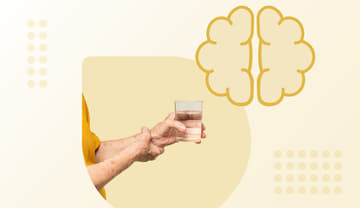
Parkinson's disease (PD) is a progressive neurological disorder characterized by motor symptoms such as tremors, rigidity, and slowed movement. Other symptoms may include cognitive impairment, mood changes, and sleep disturbances. PD is caused by the brain's loss of dopamine-producing neurons, leading to neurotransmitter imbalances.
It develops gradually, often starting with a barely noticeable tremor in one hand. Over time, the tremor may spread and become more pronounced.
The exact cause of Parkinson's disease is not fully understood, but both genetic and environmental factors are believed to play a role. Age is the most significant risk factor, with most cases occurring in individuals over 60.
Early diagnosis and appropriate management of symptoms are crucial in improving the quality of life for individuals with Parkinson's disease. Treatment typically involves medication, physical therapy, and lifestyle modifications tailored to each individual's needs.
While there is no known way to prevent Parkinson's disease, certain lifestyle factors may help reduce the risk or delay onset. These include regular exercise, maintaining a healthy diet rich in antioxidants, avoiding exposure to environmental toxins, and staying mentally and socially active.
Overview
Key Facts
Symptoms
Causes
Risk factors
Diagnosis
Prevention
Specialist to visit
Treatment
Complications
Alternatives therapies
Living with
Home-care
FAQs
References
Did you know?
A 2015 study revealed that practising yoga twice a week can improve symptoms in early-stage Parkinson’s patients. It not only reduces blood pressure and tremors but also enhances lung capacity, offering a holistic approach to managing the condition.
Discover gentle yoga poses for Parkinson's relief.
Frequently Asked Questions
Yes, vertigo and dizziness are frequently observed in individuals with Parkinson's. They typically involve a spinning or whirling sensation, often accompanied by balance issues.
Parkinson's dementia refers to a condition where individuals with Parkinson's disease experience cognitive decline, including problems with memory, thinking, and reasoning.
While Parkinson's disease does not directly reduce life expectancy, advanced symptoms like immobility, balance issues, and swallowing difficulties can lead to higher risks of fatal complications such as fractured hips, pneumonia, and choking.
Parkinson's disease is a progressive disorder that affects movement, often characterized by tremors, stiffness, and difficulty with balance and coordination. While there is no cure for Parkinson's disease, there are various treatment options and therapies available that can help manage symptoms and improve the quality of life.
Parkinson's disease primarily affects movement, but it can also impact cognitive functions, including memory. However, memory issues in Parkinson's tend to be more related to attention rather than long-term memory loss, which is more commonly associated with Alzheimer's disease.
Parkinson's disease can be genetic, but it's not solely determined by genetics. Only a small percentage of cases are directly inherited, while most cases are thought to be influenced by various genetic and environmental factors.
There isn't direct evidence that stress causes Parkinson's disease, but some research suggests that chronic stress may contribute to its development or exacerbate symptoms. However, the exact relationship between stress and Parkinson's is still not fully understood and requires further study.
In our relentless endeavour to keep improving our services, you are our eyes. Kindly take out sometime to guide us on how to serve your better.
Subscribe to stay informed
Subscribe to our carefully crafted informative emailers by Medical Experts and be the first to get the latest health news, tips and important updates.
Want to know more?We provide you with authentic, trustworthy and relevant information
Have issues with the content?
Disclaimer
Tata 1mg's sole intention is to ensure that its consumers get information that is expert-reviewed, accurate and trustworthy. However, the information contained herein should NOT be used as a substitute for the advice of a qualified physician. The information provided here is for informational purposes only. This may not cover all possible side effects, drug interactions or warnings or alerts. Please consult your doctor and discuss all your queries related to any disease or medicine. We intend to support, not replace, the doctor-patient relationship.
The symptoms of Parkinson's disease usually develop gradually and are mild at first. There are many different symptoms associated with Parkinson's disease, and the severity is different for each individual.
Some of the common symptoms of Parkinson's disease are:
Tremors (Shaking): These usually begin in the hand or arm and are more likely to occur when the limb is relaxed and resting.
Slowness of movement (bradykinesia): The physical movements are much slower than usual, which can make everyday tasks difficult and shuffling walk with tiny steps
Muscle stiffness (rigidity): Stiffness and tension are very common in the muscles, which makes it challenging to move around and make facial expressions and results in painful muscle cramps (dystonia)
Postural instability: Imbalance and changes in posture increase the risk of falls.
PD varies in its progression and symptoms. It often starts on one side of the body before affecting both sides. Some other symptoms range from physical and mental symptoms include:
Physical symptoms
Loss of sense of smell
Drooling (excessive production of saliva)
Swallowing problems
Speech may become soft or quick with a slur or hesitation before talking.
Excessive sweating
Balancing issues with high rates of falls and injuries.
Writing may become challenging and may appear small.
Cognitive issues like memory loss, trouble concentrating, and changes in mood or behavior.
Mental health disorders like anxiety and depression
Dementia – a group of symptoms, including more severe memory problems and personality changes
What is the difference between Alzheimer's, Dementia, and Parkinson's Dementia?
Let's break it down: Alzheimer's disease is a specific type of Dementia characterized by memory loss and cognitive decline. Dementia, however, is a bigger category, like a puzzle with many pieces, that includes many conditions where thinking and memory are affected. Parkinson's disease primarily involves movement-related symptoms but can also lead to Parkinson's Dementia, where movement problems come with memory issues.
Early detection is crucial for better management and quality of life.
Causes Of Parkinson’s Disease
Parkinson's disease is caused by a loss of nerve cells that produce dopamine, which helps control body movements.
The loss of dopamine-producing cells directly interferes with the signals between the brain and muscles, causing a direct impact on movement coordination and balance.
Risk Factors For Parkinson’s Disease
The various risk factors for Parkinson's disease include:
Age
Parkinson's disease usually begins in middle or late life, and the risk increases with age. It usually develops in people greater than 60 years of age or older.
Explore our range of elderly care products to maintain fitness and health as you age gracefully.
Gender
Males appear to have a higher risk of developing Parkinson's disease than females.
Heredity
Individuals with a family history of Parkinson's disease are at a higher risk. Having a parent or sibling with Parkinson's increases the likelihood of developing the condition.
Having a close relative or parents with Parkinson's disease increases the chances of the disease. However, the risks are still small unless the person has many relatives in the family with Parkinson's disease.
Exposure to certain toxins
Exposure to certain environmental toxins, such as pesticides, herbicides, and industrial pollutants, may increase the risk.
Head injuries
A history of head injuries, particularly traumatic brain injuries, has been associated with a higher risk of Parkinson's disease.
Diagnosis Of Parkinson’s Disease
Currently, there isn't a specific test to diagnose Parkinson's disease. An accurate diagnosis of Parkinson's is based on examining the medical history, a review of the symptoms, and a neurological and physical examination.
Medical History
The doctor usually asks the person experiencing symptoms and a family member or friend questions about overall health, family history of Parkinson's disease, past medical problems, and ability to carry out daily activities. The history should include information related to the patient from the person.
Physical examination
A doctor usually notices specific changes in the behavior and personality of the patient. A psychiatric evaluation is crucial to distinguish Parkinson's from other conditions that can mimic it, such as depression, delirium, and mild cognitive impairment.
Laboratory tests
There are no lab or blood tests that can help the doctor diagnose whether an individual has Parkinson's. However, specific imaging tests may help the doctor rule out other diseases that could be causing the symptoms.
Imaging tests
No imaging test is a definitive test for Parkinson's disease. However, the following imaging testa can aid in the diagnosis:
DaTscan: A DaTscan involves injecting a small amount of a radioactive drug, and a machine called a single-photon emission computed tomography (SPECT) scanner, similar to an MRI. The drug injected helps in assessing dopamine-containing nerve cells, which are involved in controlling movement.
L-Dopa test: This test involves taking the medicine L-Dopa (Levodopa) to assess whether the symptoms improve. Rapid improvement is a sign of Parkinson's.
People often mix up Parkinson's disease with Parkinsonism. Parkinson's disease is a distinct neurological condition where cells in the brain that produce dopamine degenerate. On the other hand, Parkinsonism is a set of symptoms similar to Parkinson's, but it can stem from different causes like medication side effects, or other neurological issues.
Prevention Of Parkinson’s Disease
There is no certain way to prevent Parkinson’s disease. However, incorporating preventive measures into your lifestyle can potentially reduce the risk or slow down its progression:
The following may have a lower risk of developing the condition:
Incorporate physical activity: Engage in regular exercise, including aerobic, strength training, and balance exercises.
Maintain a healthy diet: Eat a balanced and nutritious diet to support overall brain health.
Drink coffee or tea with caffeine: Consuming caffeinated beverages may reduce the risk of Parkinson's.
Avoid exposure to toxins: Limit contact with environmental toxins and pollutants.
Ensure quality sleep: Prioritize getting enough restful sleep each night.
Manage stress: Adopt stress-reducing techniques such as meditation, yoga, or deep-breathing exercises.
Stay mentally and socially active: Maintain an active social life and engage in stimulating activities like learning new languages, playing musical instruments, and gardening
Doctor To Visit
It's essential to seek medical attention if you notice any changes in your symptoms or the effectiveness of your medication.
A general practitioner can carry out some simple checks and can then refer you to a specialist for assessment, such as
Neurologist
Psychiatrist
Elderly care physician
Neurologists: They specialize in treating conditions affecting the brain and nervous system. They can help diagnose and manage Parkinson's disease, offering expertise in neurological assessment, treatment, and disease management strategies.
Psychiatrist: Provide mental health support and medication management for psychiatric symptoms often associated with Parkinson's disease in older adults.
Elderly care physician or geriatrician: They offer specialized care focusing on the overall health and well-being of elderly patients, including managing complex medical conditions like Parkinson's disease.
Seek medical guidance from our trusted team of doctors.
Treatment Of Parkinson’s Disease
Currently, there is no cure for Parkinson's disease, but following treatment options are available to help relieve the symptoms and maintain the quality of life.
Most individuals with Parkinson's disease eventually need a medication called levodopa. Levodopa is absorbed by the nerve cells in the brain and turned into the chemical dopamine, which helps control movement.
It's usually taken as a tablet or liquid and is often combined with other medications, such as benserazide or carbidopa.
The initial dose is usually minimal and is gradually increased until the effect is seen.
Dopamine Agonists: These medications act as a substitute for dopamine in the brain and have a similar but milder effect in comparison with levodopa. They're often taken as a tablet but are also available as a skin patch (rotigotine). Examples include apomorphine, pramipexole, ropinirole, and rotigotine.
MAO-B Inhibitors: Drugs like selegiline and rasagiline block the enzyme MAO-B, preserving dopamine. They may delay the need for levodopa therapy and enhance its effects.
COMT Inhibitors: Entacapone, opicapone, and tolcapone prevent dopamine breakdown, prolonging levodopa's effects. These medications are usually prescribed for people in later stages of Parkinson's disease.
Amantadine: This antiviral drug can alleviate PD symptoms.
Anticholinergics: Trihexyphenidyl, benztropine, and ethopropazine decrease acetylcholine activity, helping with tremors.
2. Non-Oral medications
When Parkinson's symptoms become difficult to control with oral tablets alone, several other treatments can be considered.
Apomorphine : Apomorphine, a dopamine agonist, can be injected under the skin (subcutaneously) either by single injection or continuous infusion.
Co-careldopa: For severe Parkinson's, a type of levodopa called co-carbidopa may be pumped continuously into the gut through a tube inserted through the abdominal wall.
Get guaranteed delivery of all your medications with India's most trusted and largest online pharmacy.
II. Surgery
Many cases of Parkinson's disease are treated with medications, but surgery may be recommended for severe cases.
Complications Of Parkinson's Disease
Parkinson's can cause the following complications as it worsens gradually:
Balance and falls
Reduced coordination and balance heighten the risk of falls, potentially leading to injuries and limited mobility.
Trouble swallowing food can lead to aspiration or choking and cause lung pneumonia.
Dyskinesia
Involuntary and uncontrolled movements may arise as a long-term effect of Parkinson's medications.
Nutritional challenges
With advanced Parkinson's disease, a person may forget to eat and may lose interest in eating. This can lead to a variety of malnutrition-related problems.
Speech and swallowing challenges
Progression of the disease may cause speech difficulties, such as soft speech or slurring, alongside swallowing problems, leading to aspiration or choking risks.
Psychosis
Some individuals might encounter hallucinations or delusions, often as an outcome of medications used for Parkinson's treatment.
Recent studies estimate that at least 50% of people with PD will experience some form of depression during their Parkinson's journey.
Alternative Therapies For Parkinson’s Disease
The following alternative and complementary approaches therapies should not replace medical advice and can be used as an adjunct to conventional medical care:
1. Acupuncture
This traditional Chinese practice involves the insertion of fine needles into specific body points, potentially alleviating symptoms like tremors and muscle stiffness associated with Parkinson's disease.
2. Massage Therapy
Therapeutic massages may help reduce muscle tension, improve blood flow, and promote relaxation, offering potential relief from Parkinson's symptoms.
3. Tai chi
Similar to yoga, tai chi emphasizes gentle movements and breathing techniques, and aims to improve balance, muscle strength, and coordination.
4. Music and Art Therapy
Engagement in creative activities, music listening, or art therapy sessions may promote emotional well-being and potentially alleviate stress or depression often associated with Parkinson's.
5. Meditation
Practices involving meditation techniques may help manage stress, enhance mental clarity, and improve overall well-being.
Ways Meditation Can Improve Your Life.
6. Yoga
Regular yoga practice can enhance flexibility, balance, and posture, potentially benefiting individuals managing mobility issues linked to Parkinson's.
Living With Parkinson’s Disease
Living with Parkinson's disease can affect quality of life through physical symptoms like tremors and mobility issues, emotional challenges such as anxiety and depression, social isolation, financial strain, and changes in independence and lifestyle. Here are strategies to begin living well with PD:
Medication management
Maintain regular communication with healthcare providers and adhere to medication schedules to optimize treatment effectiveness.
Seek emotional support
Engage in social activities, maintain open communication with loved ones, and seek emotional support through counseling or support groups to alleviate social and emotional difficulties.
Establish healthy habits
Prioritize nutrition, sleep, and emotional well-being to improve overall health.
Stay active and engaged
Engage in regular physical activity to manage PD symptoms. Utilize physical therapy, regular exercise, and assistive devices to manage motor symptoms and enhance mobility.
Maintaining independence
Adopt adaptive strategies, use assistive devices, and seek assistance from caregivers or professional care services to maintain independence for as long as possible. Devices such as grab bars or walking aids can make daily activities easier and increase independence.
Explore our range of mobility aids for your loved ones' comfort and independence.
Minimize stress from life.
Engage in relaxing activities and stress management techniques to prevent stress escalation and improve well-being.
Read more about relaxation techniques and managing stress.
Lifestyle changes for more effortless living
Strategies like keeping essentials in the same place, automating bill payments, and maintaining a consistent schedule can help manage Parkinson-related memory loss.
Care Tips for Caregivers
Parkinson’s can be challenging for caregivers, as the person they are taking care of becomes more dependent and is unable to express their needs. Here are a few tips them:
Keep the mood upbeat.
If the person becomes agitated, acknowledge those feelings
Engage in activities for the person you care about on which you both can laugh and enjoy together
Supportive therapies
Several supportive therapies can make living with Parkinson's disease easier and help the individual deal with the symptoms on a day-to-day basis.
Physiotherapy: A physiotherapist can work with you to relieve muscle stiffness and joint pain through movement and exercise, aiming to make movement easier and improve walking and flexibility.
Speech and language therapy: Many people with Parkinson's disease have swallowing difficulties (dysphagia). A speech and language therapist can often help in alleviating these problems by teaching speaking and swallowing exercises.
Occupational therapy: An occupational therapist can identify areas of difficulty in your day to day life, such as dressing yourself or going to the toilet. This can help to work out practical solutions and ensure the home is safe and properly set up for an individual.
Home care For Parkinson’s Disease
Parkinson's disease (PD) can pose challenges to everyday tasks. Taking precautions and allowing ample time can simplify these routines and enhance safety. Below are some tips to facilitate these activities and ensure your well-being.
I. Safety Tips for Bathing, Grooming, and Toileting
Bathing:
Install handrails in bathtubs and shower stalls for support.
Use non-skid rubber bath mats to prevent falls.
Consider a tub rail for added safety when entering and exiting.
Install a shelf in the tub to avoid bending and reduce fall risk.
Grooming:
Sit while brushing teeth to prevent falls and conserve energy.
Opt for electric toothbrushes and razors to ease handling.
Toileting:
Use an elevated toilet seat or toilet frame for stability.
Limit caffeine intake to manage incontinence symptoms.
Control fluid intake before bedtime to reduce nighttime bathroom visits.
To ease movement in the home and ensure that your home is safe and easily accessible.Follow these tips for regulating safety in your home for individual with Parkinson’s:
Home Environment
Remove clutter to decrease tripping hazards.
Secure furniture and ensure adequate lighting throughout the house.
Create wide walking paths and consider wheelchair accessibility if needed.
Bedroom
Raise the height of the bed to enable feet to comfortably reach the floor while seated at the bedside.
Use a half-side rail or bed pole while getting up.
Use smooth carpets to have safe walking and minimize falls.
Keep a bedside commode or urinal accessible for nighttime use, if necessary.
Stairway
Keep the steps clutter-free.
Ensure there is adequate lighting on the staircase steps
Install handrails on at least one side of the steps, positioning them two to three inches from the wall for a secure grip.
III. Nutritional supplements
Brain-Boosting Foods Consider adding pistachios, cashews, macadamia nuts, and Brazil nuts to your diet for potential brain health benefits.
Incorporate these nuts into your diet and experience the difference.
Anti-inflammatory foods Incorporate coconut oil, rosemary, oily fish, and leafy greens to reduce inflammation and support brain health. greens to reduce inflammation and support brain health.
Omega-3 fatty acids Omega-3s have anti-inflammatory effects that may help prevent cell degeneration associated with Parkinson's. Include sources like wild-caught fish, pastured eggs, and walnuts in your diet.
You can augment your diet with supplements as well. Antioxidant-Rich Foods Antioxidants neutralize harmful free radicals, protecting healthy cells, including neurons. Consider adding blueberries, raspberries, and green tea to your diet.
Discover a variety of green tea options to boost your brain health.
Note: While diet won't cure Parkinson's, incorporating more antioxidants, fiber, and magnesium may help improve symptoms.