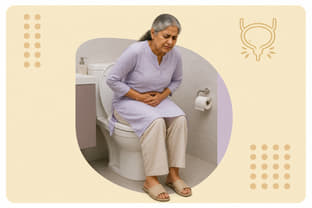
Overactive bladder (OAB) is a condition where the bladder’s muscles contract too often, causing a sudden, hard-to-control urge to urinate. Abnormal nerve signals and weak pelvic floor muscles can lead to OAB. OAB affects millions of adults worldwide. Despite being common, many people hesitate to seek help due to embarrassment.
Stress and excess caffeine or alcohol can also worsen symptoms. This can lead to frequent bathroom trips, nighttime urination (nocturia), and sometimes leakage before reaching the toilet (urge incontinence). It is common in older adults and females.
Pregnancy or childbirth, prostate enlargement in men, urinary tract infections, certain medications, chronic conditions like diabetes, and neurological disorders like Parkinson’s disease or stroke can increase the likelihood of OAB.
Lifestyle changes, such as bladder training, fluid management, pelvic floor exercises, medications to relax the bladder, Botox injections, and nerve stimulation therapies, can help improve symptoms.