Also known as Inflammation of meninges, Meningoencephalitis, Brain fever, Cerebrospinal fever, Cerebromeningitis, Epidemic meningitis, and Leptomeningitis
Overview
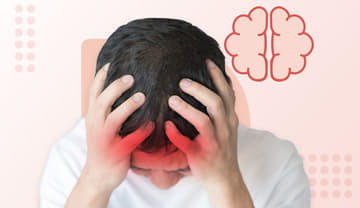
Meningitis is the inflammation of the meninges, the protective layers covering the brain and spinal cord. Symptoms include decreased consciousness, seizures, lethargy, confusion, high fever, rashes, rapid breathing, and neck stiffness.
It can be caused by bacteria, viruses, fungi, parasites, or non-infectious factors like cancers, lupus, certain medications, head injuries, and brain surgery. Major risk factors include poor vaccination, advanced age, chronic health conditions, and living in high-endemic areas.
Meningitis is a medical emergency that requires immediate attention. Bacterial meningitis is treated with antibiotics and steroids, while viral meningitis is managed with supportive care. Prompt treatment is essential to prevent complications such as hearing loss, memory problems, speech issues, and sepsis. Timely intervention can significantly reduce the risk of long-term effects.
Overview
Key Facts
Causes
Symptoms
Risk factors
Diagnosis
Prevention
Specialist to visit
Treatment
Home-care
Complications
Alternatives therapies
Living with
FAQs
References
Frequently Asked Questions
Meningitis is commonly caused by bacteria or viruses that can spread easily from person to person through saliva, mucus, or feces of an infected individual. This transmission often occurs via coughing, sneezing, kissing, or close personal contact. Indirect contact—such as sharing personal items like towels, utensils, or toothbrushes—can also increase the risk of infection
Early symptoms of meningitis often resemble flu-like illness and may include fever, vomiting, headache, and tiredness. As the infection progresses, more severe signs can develop, such as limb pain, pale or mottled skin, and cold hands and feet. Additional warning signs include stiffness in the neck, sensitivity to bright light (photophobia), confusion, irritability, and sometimes the appearance of a rash. Recognizing these symptoms early and seeking immediate medical attention is crucial to prevent serious complications.
Viral meningitis is usually mild and often resolves on its own within 7 to 10 days without the need for specific medical treatment. Supportive care, such as rest, fluids, and pain relief, is typically sufficient for recovery. However, bacterial meningitis is a medical emergency that requires immediate diagnosis and treatment. Without prompt intervention, it can lead to serious complications such as brain damage, hearing loss, or death. In these cases, antibiotics are essential and highly effective in eliminating the bacteria and improving outcome
During recovery from meningitis, it's important to follow a healthy, well-balanced diet that supports your immune system and promotes healing. Focus on eating plenty of fresh green leafy vegetables, fruits, nuts, seeds, and whole grains. These nutrient-rich foods provide essential vitamins, minerals, and antioxidants that aid in recovery. Stay well hydrated and consider including foods rich in protein (like eggs, lentils, or lean meats) to help rebuild strength. Avoid junk food, fried items, and foods high in sugar or unhealthy fats, as they can slow recovery and increase fatigue.
The most effective way to prevent bacterial meningitis is through vaccination, such as the meningococcal, pneumococcal, and Haemophilus influenzae type b (Hib) vaccines. There is currently no specific vaccine for most types of viral meningitis, so prevention relies on good hygiene practices. These include frequent handwashing, covering your mouth and nose when coughing or sneezing, and avoiding close contact with people who are sick. Maintaining general health and hygiene is essential to reducing your risk of contracting or spreading meningitis.
In our relentless endeavour to keep improving our services, you are our eyes. Kindly take out sometime to guide us on how to serve your better.
Subscribe to stay informed
Subscribe to our carefully crafted informative emailers by Medical Experts and be the first to get the latest health news, tips and important updates.
Want to know more?We provide you with authentic, trustworthy and relevant information
Have issues with the content?
Disclaimer
Tata 1mg's sole intention is to ensure that its consumers get information that is expert-reviewed, accurate and trustworthy. However, the information contained herein should NOT be used as a substitute for the advice of a qualified physician. The information provided here is for informational purposes only. This may not cover all possible side effects, drug interactions or warnings or alerts. Please consult your doctor and discuss all your queries related to any disease or medicine. We intend to support, not replace, the doctor-patient relationship.
Meningitis is inflammation of the meninges, the protective membranes covering the brain and spinal cord. It can be caused by various infectious agents, as well as non-infectious conditions. The causes are typically classified into the following categories:
1. Infectious causes of meningitis
A. Bacterial meningitis
It is the most severe and potentially life-threatening form.
Local infections (e.g., otitis media, sinusitis, pharyngitis)
Structural defects in the dura mater (e.g., trauma, surgery)
Skull fractures
Neurosurgical procedures
Transmission:
Person-to-person via respiratory droplets (e.g., N. meningitidis)
Contaminated food (e.g., unpasteurized dairy, deli meats for Listeria)
Asymptomatic carriers may transmit certain bacteria (e.g., N. meningitidis) without becoming ill themselves
B. Viral meningitis
This form is usually milder and more common than bacterial forms. It is typically self-limiting, however, severe illness is more likely in infants, the elderly, or immunocompromised patients.
Use of immunosuppressive drugs (e.g., corticosteroids, chemotherapy)
Living in close quarters
College dormitories, military barracks, refugee camps (increased risk of meningococcal meningitis)
Lack of vaccination
No immunization against Hib, pneumococcus, meningococcus, measles, mumps, etc.
Recent infections
Ear infections, sinusitis, pneumonia, or upper respiratory tract infections
Head trauma or neurosurgery
Especially if there is a skull fracture or CSF leak
Travel to high-risk areas
Sub-Saharan Africa (the "meningitis belt")
Regions with TB or certain fungal spores
2. Bacterial meningitis-specific risk factors
Close contact with an infected person (especially for Neisseria meningitidis)
Splenectomy (absent spleen) or functional asplenia (e.g., in sickle cell disease)
CSF shunts or cochlear implants
Listeria risk factors: consuming unpasteurized dairy, deli meats (particularly risky for pregnant women and the elderly)
3. Viral meningitis-specific risk factors
Exposure to enteroviruses (often via fecal-oral route or respiratory droplets)
Insect bites (arboviruses like West Nile)
Unprotected sex or sharing needles (increased HIV risk)
Weak immune defenses (increased risk of HSV and CMV reactivation)
4. Fungal meningitis risk factors
Immunocompromised status (e.g., HIV/AIDS, transplant patients)
Environmental exposure to fungal spores (e.g., Histoplasma, Coccidioides, especially in endemic regions)
5. Parasitic meningitis risk factors
Swimming in warm freshwater lakes (risk of Naegleria fowleri)
Consumption of raw or undercooked snails, slugs, or freshwater crustaceans (risk of Angiostrongylus cantonensis)
Living in or traveling to endemic tropical/subtropical areas
6. Tuberculous meningitis risk factors
History of tuberculosis (TB)
Contact with someone with active TB
Living in TB-endemic regions
HIV infection or other immunosuppression
Diagnosis Of Meningitis
The diagnosis of meningitis typically involves a combination of clinical evaluation, medical history, and several diagnostic tests to determine the cause of the infection. Here’s a general overview of how meningitis is diagnosed:
1. Medical history and symptoms review
The doctor will begin by asking about symptoms such as fever, headache, stiff neck, sensitivity to light, nausea, vomiting, confusion, and skin rashes.
A detailed medical history, including recent infections, travel history, or exposure to someone with meningitis, will be gathered.
2. Physical examination
The healthcare provider will perform a physical exam, checking for signs like a stiff neck, rash, or sensitivity to light, which are common in meningitis cases.
Specific signs like Brudzinski's sign (involuntary flexion of the knees when the neck is flexed) or Kernig's sign (pain when extending the leg at the knee) may be checked.
3. Blood tests
Initial blood tests in the case of meningitis suspicion may include:
Blood cultures may be performed to detect bacterial infections that could be causing meningitis.
4. Lumbar puncture (spinal tap)
The most definitive test for diagnosing meningitis is a lumbar puncture, where a needle is inserted into the lower back to collect cerebrospinal fluid (CSF) for analysis.
The CSF is examined for signs of infection, including:
White blood cell count (elevated in infections)
Protein levels (often elevated in meningitis)
Glucose levels (typically low in bacterial meningitis)
Culture and staining to identify the organism (bacteria, viruses, or fungi)
CSF analysis helps to identify the exact pathogen causing meningitis. PCR testing is more advantageous than culture for the diagnosis of infection as this technique is more rapid and can detect a variety of strains of even non-viable bacteria and antibodies against certain viruses.
6. Imaging studies
In some cases, doctors may perform a CT scan or MRI of the brain to rule out other causes of symptoms, such as brain abscesses or swelling.
These imaging tests are especially important if the patient has signs of increased intracranial pressure (e.g., vomiting, confusion).
Note:Dilated fundus examination (DFE) plays a supportive role in the evaluation of suspected meningitis, particularly when assessing the safety of performing a lumbar puncture (LP). The procedure involves using eye drops to dilate the pupil, allowing direct visualization of the eye fundus. The main purpose of DFE in this context is to detect papilledema, which is swelling of the optic nerve head and an important indicator of raised intracranial pressure (ICP). Elevated ICP increases the risk of brain herniation if an LP is performed without caution. Therefore, identifying papilledema can help guide whether neuroimaging is needed before proceeding with LP.
Trust Tat 1mg for certified lab testing.
Prevention Of Meningitis
Prevention of meningitis involves several strategies depending on the cause of the infection. Here are the main approaches:
1. Vaccination
Meningococcal vaccine: Protects against Neisseria meningitidis, a leading cause of bacterial meningitis.
Pneumococcal vaccine: Prevents meningitis caused by Streptococcus pneumoniae.
Haemophilus influenzae type b (Hib) vaccine: Prevents meningitis caused by Haemophilus influenzae type b.
Measles, Mumps, and Rubella (MMR) vaccine: Reduces the risk of viral meningitis caused by these viruses.
COVID-19 vaccine: Helps prevent viral meningitis linked to COVID-19.
Stay ahead of meningitis– Prevention starts with vaccination.
2. Good hygiene practices
Wash your hands with soap and water before eating or cooking and after using the toilet.
Use hand sanitizer if soap isn’t available.
Shop sanitizers and hand wash supplies on Tata 1mg.
Avoid sharing drinks, foods, straws, utensils, lip balms, or toothbrushes with anyone else.
Cover your mouth and nose while coughing or sneezing, or sneeze into your elbow. Throw used tissues into the dustbin after use and wash your hands.
3. Avoid close contact with infected individuals
Meningitis can spread through respiratory droplets. Avoid close contact with people showing symptoms of meningitis or respiratory infections.
4. Prophylactic antibiotics
In cases of exposure to bacterial meningitis (e.g., close contact with an infected person), antibiotics may be given as a preventive measure.
5. Timely treatment of infections
Prompt treatment of ear, respiratory, or sinus infections can help prevent bacteria from spreading to the brain and causing meningitis.
6. Food safety measures
Listeriosis, caused by Listeria monocytogenes, can lead to meningitis, especially in high-risk groups such as pregnant women, newborns, the elderly, and individuals with weakened immune systems. To reduce the risk, follow these preventive measures:
Avoid unpasteurized dairy products: Especially soft cheeses like brie, camembert, or feta.
Cook food thoroughly: Ensure meats, poultry, and seafood are fully cooked to kill harmful bacteria. Avoid consuming raw or undercooked fish, eggs, and meats.
Wash fruits and vegetables carefully: Especially if consumed raw, to remove any potential contaminants.
Refrigerate perishable foods promptly: Avoid eating food that has been stored for too long, especially deli meats, hot dogs, or ready-to-eat products, unless they are heated until steaming hot.
Be cautious with ready-to-eat deli meats: These have a higher risk of carrying Listeria and should be handled with care.
Specialist To Visit
If you suspect meningitis, it’s important to seek immediate medical attention. The following specialists are typically involved in the diagnosis and treatment of meningitis:
General Physician
Pediatrician
Infectious Disease Specialist
Internal Medicine Specialist
Neurologist
A general physician is usually the first point of contact for the initial evaluation of meningitis. They can perform basic assessments, order necessary tests, and refer the patient to appropriate specialists if meningitis is suspected.
For children, a pediatrician should be consulted, as they are trained to recognize and manage infections in younger patients.
An infectious disease specialist or internal medicine specialist is often involved in treating meningitis, especially in more severe or complicated cases. They guide antibiotic or antiviral therapy and manage infections that are complex or resistant to standard treatments.
A neurologist, who specializes in disorders of the brain and nervous system, plays a crucial role in managing complications and long-term effects of meningitis, such as seizures, cognitive impairments, or neurological damage.
Get expert medical advice from our specialized healthcare professionals.
Treatment Of Meningitis
Treatment for meningitis depends on the cause of the infection (bacterial, viral, fungal, or other). Here’s an overview of the approaches for each type:
1. Bacterial meningitis
Bacterial meningitis is a medical emergency and requires immediate treatment to prevent severe complications such as brain damage, hearing loss, or death.
Antibiotics: Intravenous (IV) antibiotics are given immediately, even before lab results confirm the specific bacterium, to start treatment as soon as possible. Common antibiotics include:
Corticosteroids: Dexamethasone may be administered along with antibiotics to reduce inflammation associated with meningitis.
2. Viral meningitis
Viral meningitis tends to be less severe than bacterial meningitis and often resolves on its own, but treatment is still necessary to manage symptoms and support recovery.
Antiviral medications (in specific cases):
Acyclovir is used for viral meningitis caused by herpes simplex virus (HSV) or varicella-zoster virus (VZV).
No specific antiviral treatment is available for most viral causes, though supportive care is important.
3. Fungal meningitis
Fungal meningitis is rare but can occur in immunocompromised individuals. It requires long-term treatment.
Antifungal medications:
Amphotericin B is often used as the first-line treatment for fungal meningitis.
Flucytosine or other antifungal drugs may also be prescribed, depending on the fungus.
4. Tuberculous meningitis
Caused by Mycobacterium tuberculosis, this form of meningitis requires a long-term, multi-drug regimen.
Fluids and electrolytes to prevent dehydration and support recovery.
Rest and fever control to aid the healing process.
Order genuine medications from Tata 1mg, your trusted health partner.
Home-care For Meningitis
While bacterial meningitis typically requires immediate hospitalization, many cases of viral meningitis may be managed at home under the guidance of a healthcare provider. Here’s what you can do for home care as an adjunct to medical care:
1. Rest and comfort
Rest is essential for recovery. Encourage the person to stay in bed and avoid physical activity until fully recovered.
Create a quiet, dark environment to help with headaches and sensitivity to light, which are common symptoms of meningitis.
2. Hydration
Fluids: It's crucial to stay hydrated, especially if there is fever or vomiting. Drink plenty of water, soups, clear broths, or coconut water.
Electrolyte replacement: Consider using drinks like oral rehydration solutions to replace lost fluids and minerals.
3. Avoid the spread of infection (for viral meningitis)
Isolation: Avoid close contact with others to prevent the spread of the virus, particularly for contagious types like enterovirus.
Good hygiene: Wash hands frequently, especially after coughing or sneezing. Disinfect commonly touched surfaces and avoid sharing personal items such as towels, lip balms, or eating utensils.
5. Nutrition
Ensure the person eats well-balanced, nutritious meals to support the immune system. Opt for easily digestible foods like soups, fruits, and vegetables if your appetite is reduced.
Omega-3 fatty acids, found in fish oils and flaxseeds, may help reduce brain inflammation and support overall brain health during recovery.
Fuel Your Body with Omega-3 – Shop Now for a Healthier You.
6. Avoid physical exertion
Avoid strenuous activities or exercise until fully recovered to prevent complications or fatigue.
Complications Of Meningitis
With appropriate treatment, symptoms like headache and fever often improve. However, if meningitis is ignored or if there is a severe infection and inflammation, it can lead to several complications, including:
Hearing problems: Damage to the auditory nerve may result in permanent hearing loss.
Seizures or epilepsy: Meningitis can trigger seizures due to brain inflammation.
Hydrocephalus: A build-up of cerebrospinal fluid (CSF) in and around the brain can lead to increased pressure and brain damage.
Memory problems, changes in personality and behavior: Cognitive effects may result from brain damage caused by the infection.
Learning disorders: Survivors, especially children, may face developmental delays and learning challenges.
Speech problems: Damage to the brain can affect speech and communication abilities.
Visual impairment: Increased intracranial pressure can lead to visual disturbances or permanent blindness.
Weakness in one side of the body: Brain damage can result in weakness or paralysis on one side of the body.
Kidney damage: Severe infections can cause organ damage, including to the kidneys.
Septicemia: Bacteria may enter the bloodstream, leading to blood poisoning and systemic complications.
Tissue necrosis: Poor circulation due to severe infection may result in tissue death, necessitating amputations of affected limbs.
Alternative Therapies For Meningitis
While conventional medical treatment is essential for managing meningitis, alternative therapies may sometimes be used alongside standard treatment to support recovery or alleviate symptoms. However, it's important to emphasize that alternative therapies should never replace conventional medical treatment for meningitis, as it is a serious and potentially life-threatening condition that requires professional care.
Here are some alternative therapies that may be considered in conjunction with traditional treatments:
1. Herbal remedies
Ginger: Known for its anti-inflammatory properties, ginger may help reduce inflammation and alleviate nausea and headaches associated with meningitis.
Turmeric: Contains curcumin, which has anti-inflammatory properties and may support brain health by reducing inflammation. It's sometimes used as a supportive remedy for general inflammation.
Garlic:Garlic is an easily available superfood that is effective in various infectious conditions, including meningitis. Allicin present in garlic is effective against various bacteria and viruses and helps in their effective elimination. You can take cloves of garlic in a raw form for its maximum effect.
Astragalus: Flavonoids and saponins present in the astragalus plant can help in treating the ill effects of an infection. This is an extremely safe remedy that can be taken by kids as well.
Reishi mushrooms: These mushrooms are bright red in appearance and are useful in infectious diseases by boosting your immune system and reducing the inflammation caused by this disease.
Chlorella: Due to the high chlorophyll content present in this plant, it is known to improve cell production, blood purification, and quicker recovery from infectious agents.
Ginseng: Ginsenosides present in ginseng are useful in eliminating the infection from the body by acting directly on the membranes. You can consume Ginseng directly or in tea for its maximum effect.
Hypericum: Hypericum or St. John’s wort contains hyperforin as the main active ingredient, which has the capacity to cross the blood-brain barrier and work against certain infectious agents causing the disease.
2. Acupuncture
Acupuncture may help manage symptoms such as headaches, pain, and fatigue, commonly associated with meningitis recovery. It is believed to stimulate the body's healing processes and improve circulation. However, it should be used alongside, not in place of, traditional medical treatments.
3. Aromatherapy
Essential oils like lavender or peppermint may be used for their calming and pain-relieving effects. These oils may help alleviate stress, headaches, and anxiety associated with the illness. However, these are not a substitute for medical treatment.
4. Mind-body techniques
Meditation and deep-breathing exercises: These may help reduce anxiety, stress, and the physical symptoms associated with meningitis recovery, such as pain and fatigue.
Yoga: Gentle yoga practices may help improve circulation, reduce tension, and enhance overall well-being during recovery, though it should be done cautiously and only when symptoms permit.
Living With Meningitis
Surviving meningitis—especially severe bacterial or tuberculous forms—can be life-changing. While many people recover fully, others may experience long-term effects. Living with meningitis involves managing physical, emotional, and cognitive challenges and adopting lifestyle strategies to promote recovery and quality of life.
1. Mental and emotional health
Meningitis survivors often experience emotional challenges such as:
Children may need individualized education plans (IEPs) or learning accommodations.
Adults might benefit from occupational therapy to support their return to work.
Employers and schools should be informed about possible cognitive or physical limitations.
3. Lifestyle and self-care tips
Healthy diet: Nutrient-rich foods help support brain recovery and immune function.
Regular exercise: Light physical activity improves circulation, mood, and energy.
Routine sleep: Prioritize consistent, restful sleep to aid in healing.
Stress management: Meditation, deep breathing, and hobbies can ease stress.
Follow-up care: Regular medical checkups, including neurology, ENT, or rehab appointments, are critical.
4. Prevention of recurrence
Stay up to date with vaccines (e.g., meningococcal, pneumococcal, Hib, MMR).
Practice good hygiene and food safety (especially for listeriosis prevention).
Manage underlying health conditions that weaken immunity.
5. Family and caregiver support
Caregivers should learn about meningitis complications and how to assist in daily care.
Emotional support for caregivers is also important—burnout is common.
Encourage open communication and involve them in care decisions.
Did You Know?
Fungal, parasitic, and non-infectious meningitis are not contagious, while viral and bacterial meningitis are highly contagious. These infections can be spread through sneezing, coughing, kissing, or sharing personal items like utensils and toothbrushes. The infection is often transmitted by individuals who carry the viruses or bacteria in their nose or throat but do not show any symptoms themselves.