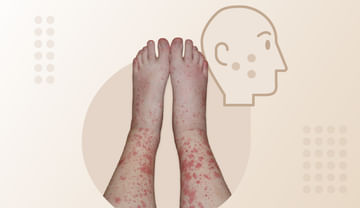
Types Of Vasculitis
Vasculitis can be differentiated based on the size of the blood vessels affected, falling into one of three general categories. They include:
Large vessel vasculitis
It affects the body’s large arteries, including the aorta (which transports oxygen-rich blood from your heart to the rest of your body). Following are the types of large vessel vasculitis:
1. Giant cell arteries (temporal arteries): It is generally found in adults older than age 50. It affects upper body parts including the head, temples, and neck.
2. Takayasu arteritis: This type of vasculitis affects the large artery and may cause inflammation, narrowing, or blockage of the arteries or weaken the lining of artery walls that may rupture or burst.
Medium vessel vasculitis
This category belongs to medium blood vessels. The following are the types of medium vessel vasculitis:
1. Kawasaki disease (KD): It is common in young children (under the age of 5). Inflammation in multiple arteries and veins of the body is seen. It affects lymph nodes, mucous membranes, and skin. It can lead to severe health problems such as heart damage, if not diagnosed and treated properly.
2. Polyarteritis nodosa: It affects multiple blood vessels in different parts of the body, including the skin, heart, kidneys, muscles, and intestines.
Small vessel vasculitis
As the name suggests, this type is characterized by inflammation and blockage of small arteries. Different types of small vessel vasculitis include:
1. Microscopic polyangiitis (MPA): It causes inflammation of small blood vessels along with inflammation in the kidneys, lungs, and nerves, but also involves the skin and joints.
2. Granulomatosis with polyangiitis (GPA): It is a rare condition that causes inflammation in small blood vessels, and it's more common in older individuals.
3. Eosinophilic granulomatosis with polyangiitis (EGPA): It is an extremely rare form of vasculitis that causes inflammation in small blood vessels, leading to restricted blood flow and potential organ damage if not treated. It primarily affects the respiratory system and is linked with asthma.
4. Immunoglobulin A (IgA): It is a type of vasculitis that can occur in people of all ages, but is more common in young children. It is caused by the accumulation of immunoglobulin A (an antibody) in small blood vessels. This leads to inflammation and bleeding and can affect various parts of the body such as the skin, joints, kidneys, or intestines.
5. Hypocomplementemic urticarial vasculitis (HUV): It is an uncommon type of vasculitis that causes inflammation of small blood vessels that are linked to antibodies. It can lead to kidney damage and other health issues such as arthritis, lung problems, and eye inflammation.
Others
1. Behcet’s disease: This condition affects blood vessels of all sizes and including skin, kidney, heart, brain, and spinal cord. More common during the second and third decades of life.
2. Buerger disease: This is inflammation of small and medium-sized blood vessels. It causes a tightening, or a blockage, of the blood vessels in your feet and hands.