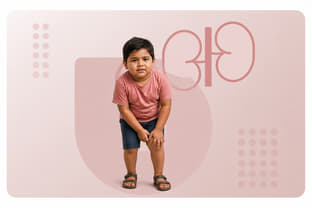
Also known as Mucopolysaccharidosis type I (MPS I)
Overview
Hurler syndrome, also known as Mucopolysaccharidosis Type I (MPS I-H), is a rare inherited genetic disorder in which the body lacks or has very low levels of an enzyme called alpha-L-iduronidase. This enzyme is needed to break down certain complex sugars known as glycosaminoglycans (GAGs). When these substances accumulate in the body, they can progressively damage multiple organs and tissues.
The condition is caused by mutations (changes) in the IDUA gene. It follows an autosomal recessive inheritance pattern, meaning a child must inherit a faulty gene from both parents to develop the disorder.
Symptoms usually appear during infancy or early childhood and may include coarse facial features, delayed growth, short stature, enlarged spleen and liver, joint stiffness, skeletal abnormalities, developmental delays, etc.
Although there is no cure, early diagnosis and treatment can improve outcomes. Management typically involves enzyme replacement therapy (ERT), hematopoietic stem cell transplantation (HSCT), and supportive care to address complications affecting the heart, lungs, bones, vision, and hearing. Early intervention is crucial to slow disease progression and improve quality of life.
Additional tests: Echocardiogram, X-rays, Eye examination and Hearing tests
Treatment
Enzyme Replacement Therapy (ERT): Laronidase
Hematopoietic Stem Cell Transplantation (HSCT)
Supportive Treatment: Physical, occupational, Speech therapy, Hearing aids, Breathing support (CPAP), and Medications
Surgery: Hernia repair, Removal of enlarged tonsils and adenoids, Heart valve surgery, Spinal decompression surgery, Carpal tunnel release, etc.
Symptoms of Hurler Syndrome
Symptoms of Hurler syndrome usually appear within the first few years of life and may gradually worsen over time. Common signs and symptoms can include:
Delayed growth and development
Learning difficulties and loss of previously acquired skills
Coarse facial features, such as a broad nose, thick lips, or an enlarged head
Curved spine (hunchback appearance) and other bone abnormalities
Short stature
Heart problems, including valve disease and heart failure
Thick, coarse hair and excessive body hair.
Causes of Hurler Syndrome
Hurler syndrome is a rare inherited disorder caused by changes (mutations) in the IDUA gene.
This gene provides instructions for making an enzyme called alpha-L-iduronidase, which helps break down certain complex sugars known as glycosaminoglycans (GAGs).
When the IDUA gene is faulty, the body cannot produce enough of this enzyme. As a result, GAGs gradually build up inside cells and tissues throughout the body.
Over time, this buildup damages organs such as the heart, liver, bones, joints, eyes, and brain, leading to the symptoms of Hurler syndrome.
Risk Factors for Hurler Syndrome
The main risk factor for Hurler syndrome is having a family history of the condition or carrying a faulty IDUA gene.
Factors that may increase the risk include:
Both parents are carriers of the faulty IDUA gene: carriers usually do not have any symptoms but can pass the gene on to their children.
Inherited genetic mutations: A child develops Hurler syndrome only if they inherit two faulty copies of the IDUA gene, one from each parent.
Family history of Hurler syndrome or related genetic disorders: Having an affected sibling or close relative may increase the likelihood of the condition occurring in the family.
If both parents are carriers, each pregnancy carries the following:
A 25% chance that the child will have Hurler syndrome
A 50% chance that the child will be a carrier
A 25% chance that the child will inherit two normal copies of the gene.
Early diagnosis can make a difference. Consult an expert to understand your child's symptoms and explore testing for Hurler syndrome.
Diagnosis of Hurler syndrome
Diagnosing Hurler syndrome involves several steps to identify the condition early and confirm the underlying enzyme deficiency. It includes:
1. Medical history and physical examination
Doctors review the child's symptoms, growth pattern, developmental milestones, and family history.
They also look for characteristic signs such as coarse facial features, joint stiffness, short stature, enlarged liver or spleen, and developmental delays.
2. Newborn screening (heel-prick test)
A small blood sample is taken from the baby's heel and checked for alpha-L-iduronidase (IDUA) enzyme activity.
Low levels may indicate Hurler syndrome, prompting confirmatory tests and early treatment.
However, confirmatory enzymes and genetic testing are required to establish the diagnosis and guide treatment.
3. Urine tests
Urinary glycosaminoglycan (GAG) test: This screening test measures the levels of glycosaminoglycans (complex sugars) in the urine.
High levels may suggest Hurler syndrome or another mucopolysaccharidosis (MPS) disorder.
4. Enzyme activity tests
Alpha-L-iduronidase enzyme assay: This test measures the activity of the alpha-L-iduronidase enzyme in blood cells, plasma, or skin cells.
Low or absent enzyme activity confirms the diagnosis and is considered the gold-standard test for Hurler syndrome.
5. Genetic testing
IDUA gene testing: A blood test can identify changes (mutations) in the IDUA gene responsible for Hurler syndrome.
Genetic testing helps confirm the diagnosis, identify carriers within the family, and support genetic counselling and family planning.
6. Prenatal testing
For families with a known history of Hurler syndrome, testing can be performed during pregnancy.
Samples collected from the placenta (chorionic villus sampling) or amniotic fluid (amniocentesis) can be used to assess enzyme activity or identify IDUA gene mutations.
7. Additional tests
Doctors may recommend other tests to assess how the condition is affecting different organs, including:
Echocardiogram: To evaluate heart structure and function
X-rays: To detect bone and joint abnormalities
Eye examination: To check for corneal clouding and vision problems
Hearing tests: To assess hearing loss
Check all your health parameters with a complete lab test at Tata 1mg for fast, accurate, and hassle-free results.
Prevention of Hurler syndrome
Hurler syndrome cannot be prevented because it is an inherited genetic condition caused by changes in the IDUA gene. A child develops the disorder only when they inherit a faulty copy of the gene from both parents.
However, genetic counselling and family screening can help families understand their risk of having an affected child. For couples with a family history of Hurler syndrome, carrier testing and prenatal testing may help with informed family planning decisions.
Early diagnosis and timely treatment can help slow disease progression, manage symptoms, and improve quality of life.
Specialist to Visit
While a pediatrician (child specialist) may be the first to notice signs of Hurler syndrome, proper diagnosis and management often require a multidisciplinary team, including:
Geneticist
Cardiologist
Orthopedist (Orthopedic Surgeon)
Ophthalmologist
Neurologist
A geneticist confirms the diagnosis through genetic testing, explains how the condition is inherited, and provides genetic counselling for families.
A cardiologist evaluates and treats heart-related complications, such as heart valve disease, cardiomyopathy (an issue with the heart muscle), and heart failure.
An orthopedist (orthopedic surgeon) helps manage bone and joint problems, including joint stiffness, spinal deformities, mobility issues, and skeletal abnormalities.
An ophthalmologist monitors and treats eye-related complications, such as corneal clouding, vision problems, and optic nerve damage.
A neurologist manages problems affecting the brain, spinal cord, and nervous system, including developmental delays, seizures, and nerve compression.
Early diagnosis and treatment can help slow disease progression and improve quality of life.
Treatment of Hurler Syndrome
Hurler syndrome treatment focuses on slowing disease progression, managing symptoms, and improving quality of life. Early treatment often leads to better outcomes.
1. Enzyme Replacement Therapy (ERT)
Laronidase (Aldurazyme) is a laboratory-made version of the missing alpha-L-iduronidase enzyme.
It is given as a weekly intravenous (IV) infusion to help reduce the buildup of harmful substances in the body and improve symptoms.
2. Hematopoietic Stem Cell Transplantation (HSCT)
It is also known as a bone marrow or stem cell transplant. HSCT is the standard disease-modifying treatment for severe Hurler syndrome, particularly when performed early in life, often before the age of 2. It can help slow disease progression, improve survival, and reduce complications affecting multiple organs.
3. Supportive Treatment
Children with Hurler syndrome may also need treatments to manage specific complications, such as:
Hearing aids for hearing loss.
Breathing support (CPAP—Continuous Positive Airway Pressure) for sleep apnea and breathing difficulties.
Medications to relieve pain, constipation, or other digestive problems, depending on the child's symptoms. (Note: The choice of medicine depends on the child's age, symptoms, and overall health, and should only be determined by their treating specialist.)
From everyday essentials to specialized medicines, discover them all at Tata 1mg—India’s largest and most trusted online pharmacy.
4. Surgery
Some children may require surgery to treat complications, including:
Hernia repair
Removal of enlarged tonsils and adenoids
Heart valve surgery
Spinal surgery for nerve compression
Carpal tunnel release surgery
Corneal transplant for severe vision problems
Because Hurler syndrome can affect several organs, treatment is usually provided by a multidisciplinary team of specialists and tailored to the child's individual needs.
Home-care for Hurler Syndrome
Children with Hurler syndrome often require special care and support to manage daily challenges and maintain their quality of life. Along with medical treatment, the following home-care measures may help improve comfort, safety, mobility, and overall well-being.
1. Make the Home Safer
Install handrails along staircases and hallways to provide additional support while walking.
Use non-slip mats in bathrooms and other areas prone to wet floors to reduce the risk of falls.
Consider ramps or other accessibility modifications to make movement around the home easier.
Ensure bathrooms are equipped with safety features, such as grab bars, to support independence and daily activities.
Important: Home modifications should be tailored to the individual's needs and physical abilities, preferably with guidance from healthcare professionals or rehabilitation specialists.
2. Prevent Infections
Encourage effective hand hygiene and keep vaccinations up to date as advised by your healthcare provider.
Seek medical attention promptly for recurrent ear, respiratory, or other infections.
Stay protected every day. Explore Tata 1mg's range of handwashes and sanitizers to help reduce germs and support better hygiene.
Complications of Hurler syndrome
Hurler syndrome can affect multiple organs and body systems. Without timely treatment, it may lead to complications involving the heart, brain, bones, eyes, ears, and lungs. Common complications include:
Heart complications: People with Hurler syndrome may develop heart valve disease, cardiomyopathy (weakening of the heart muscle), narrowing of blood vessels, and heart failure.
Brain and nervous system complications: The buildup of glycosaminoglycans (GAGs) can lead to developmental delays, learning difficulties, hydrocephalus (fluid buildup in the brain), seizures, and spinal cord compression.
Bone and joint complications: Progressive joint stiffness, spinal deformities, abnormal bone growth, carpal tunnel syndrome, and reduced mobility are common.
Eye complications: Corneal clouding, optic nerve damage, and retinal problems can gradually affect vision and, in severe cases, lead to vision loss.
Ear and hearing complications: Recurrent ear infections and progressive hearing loss may occur as the disease progresses.
Breathing complications: Airway narrowing, sleep apnea, and recurrent respiratory infections can make breathing difficult and affect sleep quality.
Liver and spleen complications: Enlargement of the liver and spleen may cause abdominal swelling and discomfort.
Growth and development complications: Children may experience delayed growth, short stature, and loss of previously acquired developmental skills.
Alternative Therapies for Hurler Syndrome
The following supportive therapies may help enhance daily functioning and quality of life in individuals with Hurler syndrome. These therapies should complement, not replace, standard medical treatment. Always seek your doctor's advice before trying any alternative or supportive therapy.
1. Physical therapy
It includes stretching, range-of-motion exercises, strengthening activities, and balance training.
It helps maintain joint mobility and flexibility, which joint stiffness and skeletal abnormalities may affect.
It improves muscle strength, balance, coordination, and overall physical function.
2. Occupational therapy
It involves training in daily activities, adaptive techniques, and the use of assistive devices to improve independence.
Helps individuals develop skills needed for everyday activities such as dressing, eating, grooming, and writing.
Encourages greater independence in daily life through personalized strategies and training.
3. Speech and language therapy
It includes speech exercises, language-development activities, communication training, and, when needed, support for feeding and swallowing difficulties.
Helps improve speech clarity, language development, and communication skills.
Supports individuals with hearing-related communication difficulties, which are common in Hurler syndrome.
Living with Hurler Syndrome
Living with Hurler syndrome can be challenging, but the right medical care, therapies, and support can help improve quality of life and day-to-day functioning.
Build a routine: Managing Hurler syndrome often involves regular hospital visits, enzyme infusions, medications, and therapy sessions. Creating a predictable routine can help balance treatment, school, play, and rest.
Seek support: Family members, friends, support groups, counsellors, and healthcare professionals can provide practical and emotional support for both children and caregivers.
Stay physically active: Physiotherapy and occupational therapy can help maintain mobility, flexibility, and independence. Exercise programmes should always be tailored to the child's abilities and comfort level.
Use mobility aids when needed: Walking aids, wheelchairs, braces, or supportive equipment may help improve mobility, conserve energy, and encourage participation in daily activities.
From walkers to wheelchairs, mobility aids can make everyday movement easier.
Monitor hearing and vision: Regular hearing and eye check-ups are important, as hearing loss and vision problems are common. Hearing aids, glasses, or other supportive devices may improve communication and learning.
Better hearing can make everyday communication easier.
Support communication and learning: Some children may experience delays in speech, language, or learning. Speech therapy, educational support, and communication aids can help them make progress.
Did you know?
India is estimated to have nearly 7 crore people living with rare genetic disorders, yet many cases remain undiagnosed or are diagnosed only after years of uncertainty.
Want to learn more? Read our article on World Rare Disease Day: Facts About Rare Diseases in India.
Frequently Asked Questions
No. Hurler syndrome is the most severe form of mucopolysaccharidosis type I (MPS I). Other forms, such as Hurler-Scheie and Scheie syndrome, tend to be milder and progress more slowly.
Yes. Hurler syndrome can affect brain development and may lead to learning difficulties or reduced intellectual function over time. Early diagnosis and treatment can help improve outcomes.
Yes. Parents who carry one faulty copy of the IDUA gene typically show no symptoms. They may only discover they are carriers after having an affected child or through genetic testing.
Without treatment, Hurler syndrome can significantly shorten life expectancy due to complications affecting the heart, lungs, and nervous system. Early diagnosis and treatment have improved outcomes for many children.
Many children with Hurler syndrome can attend school, especially when diagnosed and treated early. However, they may need additional support for learning, hearing, vision, mobility, or communication challenges.
Although their names sound similar, Hurler syndrome and Hunter syndrome are different genetic disorders. They are caused by mutations in different genes and have different inheritance patterns and treatment considerations
In our relentless endeavour to keep improving our services, you are our eyes. Kindly take out sometime to guide us on how to serve your better.
Subscribe to stay informed
Subscribe to our carefully crafted informative emailers by Medical Experts and be the first to get the latest health news, tips and important updates.
Want to know more?We provide you with authentic, trustworthy and relevant information
Have issues with the content?
Disclaimer
Tata 1mg's sole intention is to ensure that its consumers get information that is expert-reviewed, accurate and trustworthy. However, the information contained herein should NOT be used as a substitute for the advice of a qualified physician. The information provided here is for informational purposes only. This may not cover all possible side effects, drug interactions or warnings or alerts. Please consult your doctor and discuss all your queries related to any disease or medicine. We intend to support, not replace, the doctor-patient relationship.