Causes Of Folliculitis
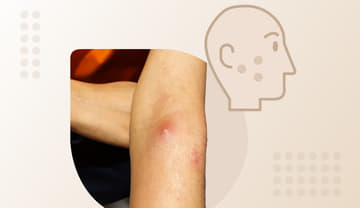
Folliculitis frequently arises in moist or sweaty areas and can result from infection (bacterial, viral, or fungal) or irritation due to environmental factors and specific skin conditions. Various causes of folliculitis include:
I. Infections
1. Bacteria
- Superficial bacterial folliculitis is the most common type of bacterial folliculitis caused by the bacteria, Staphylococcus aureus. It usually presents as pustules without fever or other associated symptoms.
-
Hot tub folliculitis is caused by a bacteria called Pseudomonas aeruginosa, found in contaminated water sources like hot tubs, whirlpools or spas.
-
Gram negative folliculitis is a rare facial eruption, usually seen after antibiotic treatment of acne.
2. Fungi
3. Virus
Certain viral infections, such as herpes simplex virus or varicella-zoster virus, can cause folliculitis. It mostly affects men who experience recurrent localized facial herpes simplex infections and shave with a razor.
4. Parasite
Demodex folliculitis is caused by the mite demodex. It occurs on the faces of people whose immune system has been suppressed with medications.
II. Environmental Factors
1. Mechanical Folliculitis
Also known as Barber's itch, it results from continuous friction and is often seen in people, who shave their faces or legs with a razor, especially against the hair growth direction.
It can also occasionally be associated with tight clothing or obesity.
Interesting Fact!
Barber's itch is commonly confused with razor bumps. Razor bumps are inflamed, ingrown hairs due to shaving, occurring anywhere on the body, while barber's itch is a fungal infection of hair follicles.
2. Occlusion Folliculitis
It occurs when skin products like heavy oils, moisturizers, or ointments clog hair follicles, leading to swelling and inflammation.
3. Chemical Folliculitis
It occurs when certain topical products, such as coal tars and the overuse of medications like corticosteroids, lead to swelling and blockage of the hair follicle opening, particularly on the face.
III. Other Forms
1. Buttock Folliculitis: This common issue affects both men and women, resembling localized acne.
2. Drug-Induced Folliculitis: This type of folliculitis typically arises within two weeks of taking specific medications, such as oral corticosteroids, androgenic hormones, lithium, and certain other anticonvulsants.
3. Pseudofolliculitis Barbae: It's a chronic inflammation affecting the beard area in men who shave, particularly those with darker skin tones and tightly curled hair. The sharp tips of newly grown, curly hair can penetrate the skin, leading to mechanical inflammation.
4. Irritant Folliculitis: It is observed on the lower legs of women who employ methods like shaving, waxing, plucking, or electrolysis for hair removal.
5. Eosinophilic Folliculitis: This type results in severe itching and recurrent lumps and pimples near hair follicles on the face and upper body. It primarily affects individuals living with HIV/AIDS.