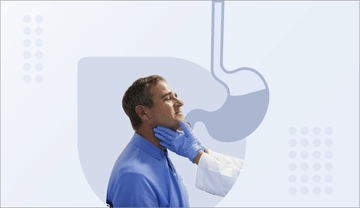
Esophageal cancer develops in the esophagus, the tube connecting the throat to the stomach. Cancer occurs when the body's natural mechanism for replacing old cells with new ones breaks down.
Some of the common symptoms of esophageal cancer include difficulty in swallowing, chest pain, unintentional weight loss, and persistent heartburn.
It is frequently diagnosed in older individuals and has a higher incidence in men compared to women. Several risk factors include tobacco smoking, obesity, pre-existing esophageal conditions (such as Barrett's esophagus), excessive alcohol consumption, and a hereditary predisposition.
Treatment options for esophageal cancer are dependent on the extent and stage of the disease. Common treatment modalities include surgery to remove the cancerous tissue, chemotherapy to target and destroy cancer cells, radiation therapy to shrink tumors, or a combination of these approaches.
Note: Symptoms of esophageal cancer can differ from person to person, and some may not appear until the cancer is advanced.
Access quality care and support throughout this journey if you or your loved one is fighting cancer.
Types of Esophageal Cancer
There are 2 main types of esophageal cancer, based on the type of cell involved. They include:
1. Adenocarcinoma
This is the most common type of esophageal cancer that starts in glandular cells (cells that form glands) near the stomach
2. Squamous cell carcinoma
This esophageal cancer originates from upper cells that line the inner surface of the esophagus.
There are a lot of myths surrounding cancer. Listening to our expert decodes some of the most common myths around cancer with scientific facts. Watch This Video
Causes Of Esophageal Cancer
Esophageal cancer affects the tubular passage connecting the mouth to the stomach and primarily originates in the mucosa, the moist lining of the esophagus.
Here's an overview of what happens during cancer:
DNA, the genetic material, governs cell behaviour, growth, division, and cell death.
Some genes oversee the timing of cell growth, division, and death like:
Oncogenes promote cell growth, division, and survival.
Tumor suppressor genes regulate cell division and trigger cell death when necessary.
Esophageal cancer can stem from DNA mutations that activate oncogenes or deactivate tumor suppressor genes, leading to uncontrolled cell growth and abnormal mass formation in the esophagus.
Several factors can increase the likelihood of developing esophageal cancer, which is discussed in detail in the next segment.
Risk Factors For Esophageal Cancer
Esophageal cancer, like many other types of cancer, has several risk factors that may increase the likelihood of developing the disease. The primary risk factors for esophageal cancer include:
1. Age
The risk of esophageal cancer increases with age, and it is more commonly diagnosed in older adults between the ages of 45 and 70 years.
2. Gender
Men are more likely to get esophageal cancer than women.
3. Family or personal history of cancer
Individuals who have had head and neck cancer or esophageal cancer in the past may have a higher risk of developing esophageal cancer. Positive family history of cancer can also increase the risk.
Barrett's esophagus (a condition where the normal lining of the esophagus is replaced by a tissue that is similar to the lining of the intestine)
Plummer-Vinson syndrome (characterized by a triad of symptoms: iron deficiency anemia, difficulty swallowing (dysphagia), and esophageal web formation)
Diet rich in processed, packaged food, red meat and low in fruits and vegetables.
Consumption of very hot liquids
Smoking a pack or more of cigarettes daily doubles the risk of esophageal adenocarcinoma compared to non-smokers. So do not let this deadly habit be the cause of your cancer.
6. Other factors
Achalasia (a rare disorder where the muscular ring between the esophagus and stomach, fails to relax properly)
Human papillomavirus (HPV) infection
Injury to the esophagus.
Diagnosis Of Esophageal Cancer
To arrive at the diagnosis of any kind of cancer, it is important to understand its staging. Staging is essential to determine the extent of the disease.
Staging of esophageal cancer
The primary staging system used is the TNM system, which evaluates:
T (Tumor): This indicates how deeply the tumor has invaded the layers of the esophagus wall and the surrounding tissue.
N (Lymph Nodes): It assesses whether cancer has spread to nearby lymph nodes and, if so, how close they are to the original tumor.
M (Metastasis): This assesses whether cancer has spread to other parts of the body.
Based on these criteria, esophageal cancer is categorized into the following stages:
Stage 0 ( Carcinoma in situ): Abnormal cells are present in the top layers of the esophagus, which could develop into cancer in the future.
Stage 1: At this stage, cancer is confined to the thick muscle layer of the esophageal wall and hasn't spread beyond.
Stage 2: The cancer has penetrated deeper layers of the esophagus and may have affected nearby lymph nodes.
Stage 3: Cancer cells are found in all layers of the esophagus and may have also spread to adjacent organs.
Stage 4: Cancer has spread to distant organs or lymph nodes, often the liver, and lungs, or distant lymph nodes.
The diagnostic process may include the following steps:
1. Medical History and Physical Examination
The first step in diagnosing esophageal cancer is discussing your medical history and symptoms with a healthcare provider. They will perform a physical examination to check for any signs of the disease.
2. Imaging Tests
CT scan: A computed tomography (CT) scan provides detailed cross-sectional images of the chest and abdomen, which can help determine the extent of the cancer and identify nearby lymph node involvement.
PET scan:A positron emission tomography (PET) scan is used to detect areas of increased metabolic activity, which can indicate the spread of cancer.
Barium swallow test: This test helps identify any abnormalities in the esophagus, such as tumors or strictures (webs). You will be asked to drink a contrast material containing barium, which is visible on X-rays.
3. Endoscopy
It is a procedure using a flexible tube with a camera to check the body. It helps diagnose and assess esophageal cancer. It includes:
Upper endoscopy: It also helps determine tumor size and spread, vital for surgery planning.
Endoscopic ultrasound: Used to measure cancer size and spread into nearby areas. It can also check lymph nodes for cancer.
Bronchoscopy: It may be performed to check if esophageal cancer has spread to the windpipe or lung tubes.
Thoracoscopy and laparoscopy: Thoracoscopy examines the chest cavity, while laparoscopy examines the abdomen.
4. Cytology
Brush cytology: This is a technique where cells from the esophagus lining are brushed and examined under a microscope to check for abnormalities.
Balloon cytology: In this procedure, the person swallows a deflated balloon, which is later inflated and pulled out to collect esophageal cells for analysis
A cancer diagnosis can be overwhelming, but seeking a second opinion is a key step in making informed treatment decisions. Read this article to learn six essential things you need to know.
5. Biopsy
Tissue samples taken during the endoscopy are sent to a pathology laboratory to be analyzed by a pathologist. This is a definitive way to confirm the presence of cancer, identify its type (adenocarcinoma or squamous cell carcinoma), and assess its grade and stage.
6. Blood Tests
Complete blood count (CBC): This test measures the different types of cells in your blood. It can identify signs of anemia. Esophageal cancer may induce anemia through bleeding tumors and affect liver function if it spreads.
Liver function test: A blood test to check your liver function because esophageal cancer can sometimes spread to the liver.
7. Biomarker testing of the tumor
HER2 testing: In advanced esophageal cancer, doctors may test biopsy samples for HER2. This protein can make cancer grow faster. This testing can be used in targeted drug therapy.
PD-L1 testing: Some esophageal cancers are assessed for the PD-L1 protein level, as tumors with more PD-L1 may respond better to immunotherapy drugs.
MMR and MSI testing: Testing is done to check for high levels of microsatellite instability (MSI) or changes in mismatch repair (MMR) genes in esophageal cancer cells. Positive results might indicate suitability for immunotherapy in cases where surgery is not an option or the cancer has recurred or spread.
Looking for a trusted lab to get your tests done? Get tested with Tata 1mg labs for accurate and timely results.
Prevention Of Esophageal Cancer
Preventing esophageal cancer involves adopting a combination of lifestyle changes and risk-reduction strategies. Here are some preventive measures:
1. Break free from smoking
Smoking is a significant risk factor for esophageal cancer, particularly squamous cell carcinoma. You can greatly lower your risk by giving up smoking.
Learn 7 practical ways to quit smoking.
2. Cut down on alcohol
Drinking too much alcohol raises the risk of esophageal cancer, so it's best to avoid it or limit intake to one drink daily for women and two for men.
3. Be mindful of your diet
Consume
A balanced diet rich in fruits and vegetables such as berries, citrus fruits, leafy greens, broccoli, and carrots).
A diet high in fiber and antioxidants
Rich sources of omega-3 fatty acids like fish, chia seeds, walnuts, flax seeds, eggs, etc.
Avoid
Highly processed food
Sugary snacks and drinks
Fast food
Pre-packaged food loaded with chemicals and preservatives
Red meat
Here’s more information on healthy eating habits that can help you get all the nutrition. Watch Now
4. Watch your weight
Being obese increases the risk of esophageal adenocarcinoma, but maintaining a healthy weight with a balanced diet and regular exercise can help lower this risk.
Achieve a healthier you, not just a smaller waistline! Get a doctor-led weight management plan today.
5. Manage acid reflux
Avoid trigger foods, elevate the head of your bed, and consult a doctor if symptoms persist as gastroesophageal reflux disease (GERD) increases the risk of esophageal adenocarcinoma.
6. Screen for early detection
If you are at a high risk for esophageal cancer, talk to your healthcare provider about regular screening.
7. Try chemoprevention
Some studies suggest that regular, long-term aspirin use may reduce the risk of esophageal cancer, particularly in those with Barrett's esophagus. Talk to your doctor before starting regular NSAID use.
Want to know more about how to prevent cancer? Watch This
Doctor To Visit
Cancer requires comprehensive care. Doctors who help in diagnosing and formulating a treatment plan are:
General physician
Gastroenterologist
Oncologist
Surgical oncologist
Hepatologist
A general physician can do a detailed clinical examination, suggest tests, and refer to a specialist in case they suspect esophageal cancer.
A gastroenterologist diagnoses and monitors esophageal cancer using endoscopy and biopsies, managing digestive tract-related symptoms.
An oncologist is specialized in cancer treatment, they design and oversee esophageal cancer treatment plans, including chemotherapy, radiation, and targeted therapies.
A surgical oncologist performs tumor-removing surgeries, like esophagectomy, crucial for some esophageal cancer cases.
A hepatologist focused on liver issues and offers expertise when esophageal cancer spreads to the liver.
Get world-class treatment and professional opinion from our most trusted and qualified doctors.
Treatment Of Esophageal Cancer
Here's an overview of the treatment options for esophageal cancer:
I. General treatment measures
1. Palliative care
It focuses on providing relief from the symptoms and side effects of cancer, improving the patient's quality of life, and managing pain.
2. Nutrition therapy
Esophageal cancer can disrupt normal nutrition intake, leading to malnutrition and dehydration. Your treatment strategy may involve a phase of body recovery and fortification before addressing the cancer itself.
Note: Dietitians can help with customized diets for swallowing issues and may recommend intravenous nutritional therapy to provide essential nutrients directly into your bloodstream.
II. Local Treatment
1. Surgery
Esophagectomy: This is the most common surgical procedure for esophageal cancer. It involves removing part or all of the esophagus and then reconstructing it. The choice of surgery depends on the location and extent of the tumor.
Lymph node dissection: During surgery, nearby lymph nodes are often removed and examined to determine if the cancer has spread.
2. Radiation therapy
Radiation therapy uses high-energy X-rays or other particles to target and destroy cancer cells. It is of two types:
External-beam radiation therapy: The most popular kind of radiation therapy, in which radiation is administered externally to the body via a machine.
Internal-beam radiation therapy (brachytherapy): When radiation treatment is given using implants, it is called internal radiation therapy or brachytherapy. Brachytherapy involves the application of a radioactive source near the tumor.
3. Endoscopic treatment
Endoscopic mucosal resection: Used for dysplasia (pre-cancer) and early-stage esophageal cancers. Involves removing abnormal tissue with instruments passed through the endoscope.
Photodynamic therapy (PDT): Used for Barrett's esophagus, dysplasia, early-stage esophageal cancers, and to relieve obstruction in advanced cancers. Involves injecting a light-activated drug that accumulates in cancer cells. Laser light activates the drug to kill cancer cells, which are removed during endoscopy.
Radiofrequency ablation (RFA): A balloon with electrodes is inserted via endoscopy and delivers an electrical current to kill abnormal cells. Normal cells replace the treated area over time.
4. Treatments to keep the esophagus open
Laser ablation: Uses a laser beam through an endoscope to open a blocked esophagus due to advanced cancer. Often requires repeated procedures.
Argon plasma coagulation: Similar to laser ablation but uses high-temperature argon gas and a spark. Used for esophageal blockage relief.
Electrocoagulation (electrofulguration): Burns tumors off with electric current, helpful for relieving esophageal blockage.
Esophageal stent: A mesh device placed into the esophagus to keep it open. Typically made of metal or plastic and used after other endoscopic treatments.
III. Systemic treatment
1. Chemotherapy
Chemotherapy (chemo) is treatment with anti-cancer drugs that are injected into a vein or taken by mouth, which allows them to enter the blood and reach most parts of the body. Drugs used for chemotherapy include:
Adjuvant chemotherapy: It is given after surgery and is sometimes coupled with radiation therapy. In addition to preventing recurrence, the objective is to eradicate any cancer cells that may have been left behind after surgery due to their smaller size.
Neoadjuvant or induction chemotherapy: This is used prior to surgery, either with or without radiation, this helps reduce the size of some bigger malignancies so that less tissue is removed during surgery. This may result in less severe surgical side effects and issues.
Chemo for advanced cancers: Chemotherapy can also be used to reduce tumor size and alleviate symptoms in cancers that have progressed to other organs, like the liver. Therapy frequently prolongs people's lives, even if therapy is unlikely to cure the cancer.
Chemoradiation: By itself, chemo rarely cures esophageal cancer so it is often given with radiation therapy.
2. Targeted therapy
It is the use of medicines that are designed to target specific molecules or proteins involved in cancer cell growth. These therapies may be used in cases of advanced or metastatic esophageal cancer. Some targeted drugs include:
This therapy uses medicines to help boost a person’s own immune system to find and destroy cancer cells more effectively. It typically works on specific proteins involved in the immune system to enhance the immune response. Drugs used are:
Ordering medicines has never been easier. Get all your medications from India’s largest online pharmacy.
Home-care For Esophageal Cancer
Caring for esophageal cancer at home includes adjusting your diet to aid recovery and manage post-surgery challenges. While some herbs and spices may support cancer management, they should never replace medical treatment—always consult your doctor first. These include:
1. Aloe vera: Some studies suggest that aloe vera may help reduce inflammation and enhance the immune system, which can be beneficial for cancer patients.
How to consume: It can be consumed in various ways, such as in the form of aloe vera juice or supplements.
Looking for the best quality aloe vera products?
2. Ginger (Adrak): It has anti-inflammatory and antioxidant properties, which can help alleviate nausea and vomiting, common side effects of cancer treatments like chemotherapy.
How to consume: It can be consumed in various forms, including fresh ginger root, ginger tea, ginger supplements, or as an ingredient in cooking.
Learn more about other health benefits of ginger.
3. Turmeric (Haldi): It contains an active compound called curcumin that has shown potential in slowing the growth of cancer cells and inhibiting the spread of cancer in preclinical studies. It can also help manage inflammation and alleviate symptoms.
How to consume: It can be consumed as a spice in cooking, taken as a supplement, or in the form of turmeric tea. Buy turmeric products online.
Complications Of Esophageal Cancer
Esophageal cancer can lead to various complications, including:
1. Functional gastric emptying disorder: Following surgery or treatment, individuals may experience difficulties with the normal emptying of the stomach.
2. Severe diarrhea and reflux esophagitis: Treatment and surgery for esophageal cancer can cause digestive issues, including severe diarrhea and gastroesophageal reflux disease (GERD), resulting in acid reflux and inflammation of the esophagus.
3. Pulmonary infection: As food or liquids are aspirated into the lungs due to swallowing difficulties, it can result in pulmonary infections, potentially leading to pneumonia and other respiratory issues.
4. Chylothorax: It is the accumulation of lymphatic fluid (chyle) in the chest cavity that can occur in some cases, leading to breathing difficulties.
5. Anastomotic fistula: This is a condition where a surgical connection (anastomosis) between two parts of the digestive tract, typically the esophagus and stomach, may develop a leak or fistula, leading to infection and further surgical interventions.
6. Complications from treatment: Chemotherapy, radiation therapy, and surgery can have their own set of complications, including infection, scarring, and long-term side effects.
Note: Advanced stages may result in cancer spreading to vital organs such as the liver, lungs, bones, adrenal glands, kidneys, and brain via the bloodstream.
Alternative Therapies For Esophageal Cancer
Complementary and alternative therapies can be considered alongside conventional medical treatments for esophageal cancer after consultation with your medical team. Some complementary therapies may include:
1. Acupuncture
It involves the insertion of needles through the skin at specific points on the body. Acupuncture has proven to be a successful alternative therapy form for patients who have esophageal cancer that can ease symptoms such as nausea and vomiting, which are common side effects of cancer treatments.
2. Aromatherapy
It utilizes essential oils to alleviate pain, nausea, stress, and sleep difficulties during cancer treatment, promoting relaxation and comfort.
3. Hypnosis
It is carried out by a therapist who will help you through certain relaxation exercises that can encourage positive and relaxing thoughts. It also helps in reducing nausea and anxiety seen in people with cancer.
4. Yoga
Yoga practices, including breathing techniques, gentle movement, mindfulness, and meditation, can optimize healing and well-being, promoting physical and emotional balance.
5. Music therapy
Listening to calm and soothing music can promote healing and improve the quality of life.
6. Tai chi
A mind-body system that improves health and well-being through movement, meditation, and breathing. It has been shown to help some people improve their strength and balance alleviating cancer symptoms.
Living With Esophageal Cancer
Living with cancer means different things to different people. Things that the caregiver and the patient should take into consideration include:
1. Managing the emotions
Individuals with cancer may feel turmoil of emotions such as sadness, anxiety, or anger, or difficulty in managing the stress level. Tips that can help:
Get all the information needed to go about with the treatment
Talk to the loved ones
Join support groups
Start palliative care to get relief from other symptoms
Take help in coping with practical issues like financial expenses, childcare, and work issues.
2. Post-surgery diet guidelines
Opt for 6 small meals post-esophageal cancer surgery to accommodate reduced stomach capacity.
Start with ½ to 1 cup portions, gradually increasing; prioritize nutrient-dense, high-calorie, and high-protein foods.
Chew thoroughly, eat slowly to prevent overeating, and limit liquid intake during meals to ½ cup.
Consume liquids 1 hour before/after meals, aim for 8-10 glasses daily, and avoid carbonated drinks causing fullness
Embrace a high-calorie, protein-rich diet with foods like dairy, nuts, meats, and eggs for optimal nutrition
3. Surviving the symptoms
Manage reflux post-esophageal surgery: Sit up during meals, wear loose clothes, eat 2 hours before bedtime, and elevate upper body during sleep.
Combat nausea: Avoid rich foods, eat moderately, and resting in a slightly slanted position after meals.
Handle fullness: Watch for signs, limit meal sizes, eat slowly, and establish a schedule for smaller, frequent meals.
Take care of diarrhea: Gradually reduce sugar, dairy, and fat; include soluble fiber-rich foods; prioritize food safety.
Ease swallowing issues: Choose soft, moist foods, and chew thoroughly to aid swallowing.
4. Supervising the cost of cancer care
Cancer treatment can be expensive and coping financially can become a source of stress and anxiety for patients and their families.
In addition to treatment costs, there might be extra unplanned expenses as well.
This can be managed by asking the social worker about benefits or grants, they can also help with the claiming process.
Tips for caregivers
Encouraging and providing mental support to the patient
Helping the patient manage their symptoms and side effects
Coordinating their medical appointments and giving medications on time
Assisting the patient in maintaining personal care and hygiene
Talking with empathy and a positive attitude toward the patient
Helping the patients with household chores
Handling insurance and billing issues for them
Get expert cancer care support, medicines, and resources all in one place. Conquer cancer with hope and care with Tata 1mg.
Frequently Asked Questions
Esophageal cancer can be treated, but the prognosis depends on the stage at diagnosis. Early detection improves the chances of successful treatment, while advanced stages may have a lower likelihood of cure.
Esophageal cancer can cause back pain if it spreads to nearby structures or nerves, but back pain alone is not a specific or common symptom of esophageal cancer. If you experience persistent back pain, it's essential to consult a doctor for a comprehensive evaluation.
Metastatic esophageal cancer is generally not curable, but treatment aims to manage symptoms, improve quality of life, and extend survival.
Yes, esophageal cancer can recur after treatment, emphasizing the importance of regular follow-up exams for early detection and management. The risk of recurrence depends on various factors, including the stage of the initial cancer and the effectiveness of the treatment.
Want to know more?We provide you with authentic, trustworthy and relevant information
Disclaimer
Tata 1mg's sole intention is to ensure that its consumers get information that is expert-reviewed, accurate and trustworthy. However, the information contained herein should NOT be used as a substitute for the advice of a qualified physician. The information provided here is for informational purposes only. This may not cover all possible side effects, drug interactions or warnings or alerts. Please consult your doctor and discuss all your queries related to any disease or medicine. We intend to support, not replace, the doctor-patient relationship.
Did our information help you?
In our relentless endeavour to keep improving our services, you are our eyes. Kindly take out sometime to guide us on how to serve your better.
Did you know?
A test called geneCORE helps to assess the risk of cancer in individuals with personal or family history for one or different types of cancer.
Subscribe to stay informed
Subscribe to our carefully crafted informative emailers by Medical Experts and be the first to get the latest health news, tips and important updates.