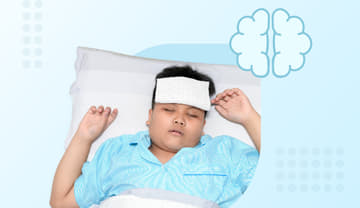
Encephalitis

Encephalitis, known as “chamki bukhar” in Hindi, is a disease that causes inflammation of the brain. According to the World Health Organization (WHO), acute encephalitis is defined as the acute onset of fever and a change in the mental status of a person of any age and at any time of the year. The changes in mental status include the signs and symptoms of confusion, disorientation, delirium, or coma. It may also cause an onset of seizures for the first time, especially in children, after they are infected.
Also known as acute encephalitis syndrome (AES), it mostly affects children below 15 years of age. The most common cause of encephalitis are viruses, however, in rare cases, bacteria, as well as fungi or autoimmunity can cause the illness. Japanese encephalitis (JE), a viral infection spread by mosquitoes, has been considered to be the leading cause of AES in Asia.
Encephalitis is a medical emergency and requires attention right away. The treatment of encephalitis depends on its cause. Antivirals, antibiotics, immunotherapy and supportive treatment are the main stays in management of encephalitis.
Recovery depends on the severity of symptoms experienced during the illness. Both the acute stage of the disease and its after effects can be overwhelming for patients and their families. However, various rehabilitation therapies can go a long way in helping the patients to make the best possible recovery.