Treatment Of Dengue
There is no specific treatment for dengue. This is the reason why the treatment is aimed at relieving the symptoms. Most patients with dengue fever have mild illness and can be treated at home by following strict dietary guidelines and course of medication. In case of severe dengue, where the platelet count drops severely (a condition known as thrombocytopenia), platelet transfusion is advised.
1. Take sufficient rest
As dengue causes severe fatigue and high fever, make sure you rest as much as possible and give your body sufficient time to recover.
2. Bring down your fever
- Antipyretic drugs like paracetamol can help to bring down the temperature and also relieve body aches.
- Drugs such as aspirin and other painkillers should be avoided as they may increase the risk of bleeding/hemorrhage.
- Antibiotics are generally not required.
- Sponging the person with cool water can help to reduce fever.
3. Stay hydrated
Dehydration is a common complication of dengue as water is lost due to fever, vomiting and not drinking enough fluids. So to prevent it, make sure you stay hydrated by drinking fluids in the form of coconut water, buttermilk, fruit juices, lemon water, milk and drinks with electrolytes along with water.
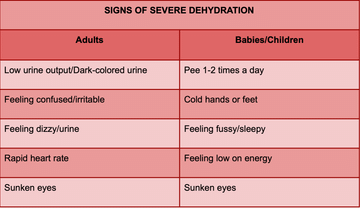
If you experience any of these signs of severe dehydration, then it is wise to consult a doctor immeditely to prevent complications.
4. Monitor your condition
The period after the fever starts to subside is critical. Some people develop warning signs such as vomiting (at least 3 times in 24 hours), difficulty in breathing, bleeding from the nose or gums and blood in vomit/stool within a day or two after the fever goes down. This is seen in around 1 in 20 people with dengue and may require hospitalization as it could be life-threatening. So be extra careful and keep a close eye on the warning signs.
REMEMBER! Severe dengue is a medical emergency and warrants immediate medical care at a hospital.
5. Try home remedies
Few home remedies are found to be quite popular in the treatment of dengue fever as they have been known to increase the platelet count.
Papaya leaves: According to a research (Subenthiran S, et al), the juice of papaya leaves is known to inhibit the growth of dengue virus and increase platelet count.
Giloy: Packed with anti-inflammatory and antipyretic (fever reducer) properties, giloy juice is known to aid in the management of dengue fever. It not only increases platelet count but also improves immunity aiding in quick recovery.
Kiwi: Many people believe that eating kiwi fruit daily improves platelet count. However, there is no research study to prove its efficacy in increasing the platelet count. The fruit is rich in Vitamin C which not only acts as a potent antioxidant but also boosts immunity.
Watch this video to know more about the tests, treatment and what to eat and avoid in dengue.