






Stone Flower
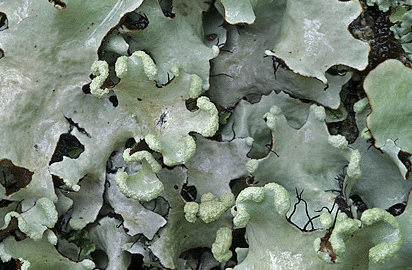
Stone Flower, also known as Chharila or Phattar Phool, is a lichen generally used as a spice to enhance the flavor and taste of food.
According to Ayurveda, Stone Flower is useful in reducing the risk of as well as removing Mutrashmari (renal calculi) or kidney stones by increasing the production of urine due to its diuretic property. Stone Flower powder is very effective in promoting wound healing as it possesses antibacterial and anti-inflammatory properties.
Although there are no side effects of the consumption of Stone Flower, it might aggravate some problems like cough and cold in people with weak immunity or who regularly suffer from these ailments due to its Sita (cold potency) nature[2][3][12].
According to Ayurveda, Stone Flower is useful in reducing the risk of as well as removing Mutrashmari (renal calculi) or kidney stones by increasing the production of urine due to its diuretic property. Stone Flower powder is very effective in promoting wound healing as it possesses antibacterial and anti-inflammatory properties.
Although there are no side effects of the consumption of Stone Flower, it might aggravate some problems like cough and cold in people with weak immunity or who regularly suffer from these ailments due to its Sita (cold potency) nature[2][3][12].
What are the synonyms of Stone Flower?
Rock Moss, Charela, Chharila, Chhadila, Sitasiva, Silapuspa, Shailaj, Patthar Phool, Chhadilo, Shilapushpa, Kalluhoo, Sheleyam, Kalppuvu, Dagad phool, Ausneh, Kalpashee, Ratipuvvu[1].
What is the source of Stone Flower?
Plant Based
Benefits of Stone Flower
1. Urolithiasis
Urolithiasis is the formation of stone (accumulation of hard, stony mass) in the bladder and urinary tract. In Ayurveda, it is known as Mutrashmari. Mutrashmari (renal calculi) is a condition of Vata-Kapha origin which causes Sanga (obstruction) in the Mutravaha Srotas (urinary system). Stone Flower gives relief in urolithiasis due to its Mutral (diuretic) property which increase urine flow. Stone Flower also helps balance the Kapha dosha, which further prevent the formation of renal calculi.
Tip for using Stone Flower Kada (Decoction) to manage Urolithiasis -
a. Take a few Stone Flower and grind them.
b. Mix in 2 cups of water.
c. Boil for 10 to 15 minutes or until it reduces to 1⁄4th of the original quantity.
d. Filter this decoction.
e. Take 10-15 ml of this lukewarm decoction twice a day or as directed by a physician to get quick relief from the symptoms of Urolithiasis.
2. Urinary Tract Infection (UTI)
Urinary tract infection (UTI) is described under the broad term of Mutrakcchra in Ayurveda. Mutra means ooze, krichra means painful. Thus, dysuria or painful urination is called as Mutrakcchra. This condition occurs due to an imbalance of Vata and Kapha dosha. Stone Flower helps manage UTI due to its Katu (pungent), Tikta (bitter) and Kashaya (astringent) properties. These properties helps balance the Kapha dosha, which further prevent the condition of dysuria and painful urination in case of Urinary tract infection (UTI).
3. Asthma
The main Doshas involved in Asthma are Vata and Kapha. The vitiated ‘Vata’ combines with deranged ‘Kapha dosha’ in the lungs causing obstruction in the respiratory passages. This causes difficulty in breathing and wheezing sounds from the chest. This condition is known as Swas Roga (Asthma). Stone Flower helps manage Asthma due to its Kapha-Vata balancing properties. These properties also help remove the obstruction in the respiratory pathways, thereby making breathing easy.
Tip for using Stone Flower to manage Asthma -
a. You can use stone Flower as a spice to get relief from the symptoms of Asthma.
Urolithiasis is the formation of stone (accumulation of hard, stony mass) in the bladder and urinary tract. In Ayurveda, it is known as Mutrashmari. Mutrashmari (renal calculi) is a condition of Vata-Kapha origin which causes Sanga (obstruction) in the Mutravaha Srotas (urinary system). Stone Flower gives relief in urolithiasis due to its Mutral (diuretic) property which increase urine flow. Stone Flower also helps balance the Kapha dosha, which further prevent the formation of renal calculi.
Tip for using Stone Flower Kada (Decoction) to manage Urolithiasis -
a. Take a few Stone Flower and grind them.
b. Mix in 2 cups of water.
c. Boil for 10 to 15 minutes or until it reduces to 1⁄4th of the original quantity.
d. Filter this decoction.
e. Take 10-15 ml of this lukewarm decoction twice a day or as directed by a physician to get quick relief from the symptoms of Urolithiasis.
2. Urinary Tract Infection (UTI)
Urinary tract infection (UTI) is described under the broad term of Mutrakcchra in Ayurveda. Mutra means ooze, krichra means painful. Thus, dysuria or painful urination is called as Mutrakcchra. This condition occurs due to an imbalance of Vata and Kapha dosha. Stone Flower helps manage UTI due to its Katu (pungent), Tikta (bitter) and Kashaya (astringent) properties. These properties helps balance the Kapha dosha, which further prevent the condition of dysuria and painful urination in case of Urinary tract infection (UTI).
3. Asthma
The main Doshas involved in Asthma are Vata and Kapha. The vitiated ‘Vata’ combines with deranged ‘Kapha dosha’ in the lungs causing obstruction in the respiratory passages. This causes difficulty in breathing and wheezing sounds from the chest. This condition is known as Swas Roga (Asthma). Stone Flower helps manage Asthma due to its Kapha-Vata balancing properties. These properties also help remove the obstruction in the respiratory pathways, thereby making breathing easy.
Tip for using Stone Flower to manage Asthma -
a. You can use stone Flower as a spice to get relief from the symptoms of Asthma.
Recommended Dosage of Stone Flower
- Stone Flower Powder - 1-3 g of Stone Flower powder a day[18].
How to use Stone Flower
1. Stone Flower as Spice
You can use stone Flower as a spice in your daily diet to get relief from the symptoms of asthma.
2. Stone Flower Kada (Decoction)
a. Take some Stone Flower and grind them.
b. Mix it with 2 cups of water.
c. This mixture is then boiled for 10 to 15 minutes or until it is reduced to 1⁄4th of its original quantity.
d. Filter this cup of decoction.
e. Take 10-15 ml (or as directed by a physician) of this lukewarm decoction twice a day to get quick relief from the symptoms of urolithiasis.
You can use stone Flower as a spice in your daily diet to get relief from the symptoms of asthma.
2. Stone Flower Kada (Decoction)
a. Take some Stone Flower and grind them.
b. Mix it with 2 cups of water.
c. This mixture is then boiled for 10 to 15 minutes or until it is reduced to 1⁄4th of its original quantity.
d. Filter this cup of decoction.
e. Take 10-15 ml (or as directed by a physician) of this lukewarm decoction twice a day to get quick relief from the symptoms of urolithiasis.
Frequently asked questions
Q. What are the nutritional facts of Stone Flower?

MODERN SCIENCE VIEW
Stone Flower contains proteins, glucose, phenols, Vitamin A, and Vitamin C which are beneficial for overall health. It is astringent, emollient, laxative, sedative, and diuretic in nature which is considered to be useful in treating bronchitis, excessive salivation, vomiting, toothache, boils, inflammations, etc[19].
Q. What is Pathar Phool called in English?
MODERN SCIENCE VIEW
Pathar Phool is called as Stone flower in English. It is commonly used in Indian households for its unique ability to generate mystic aroma in the food it is added to.
References
- The Ayurvedic Pharmacopoeia Of India.Part 1 Volume 1.
- Mayilsamy M, Geetharamanan K.Cytotoxic activity of Parmelia perlata extracts against Artemia salina.Journal of Experimental Sciences.2016;7:36-39.

- Leela K, Iyer P.Extraction and application of secondary metabolites from Parmelia Perlata.Asian J. Biol. Life Sci.2016;5(2):211-216.
- Gehlot V, Mahant S, Vijayraghwan P et al.Therapeutic potential of lichen Parmelia perlata against dual drug-resistant helicobacter pylori isolates.Int J Pharm Pharm Sci.2016;8:205-208.
- Patil SB, Ghadyale VA, Taklikar SS, et al.Insulin secretagogue, alpha-glucosidase and antioxidant activity of some selected spices in streptozotocin-induced diabetic rats.Plant Foods Hum Nutr.2011;66(1):85-90.
- Shailajan S, Joshi M, Tiwari B.Hepatoprotective activity of Parmelia perlata (Huds.) Ach. against CCl4 induced liver toxicity in Albino Wistar rats. J Appl Pharm Sci.2014;4:70-74.
- Esimone CO, Ofokansi KC, Adikwu MU, et al.In vitro evaluation of the antiviral activity of extracts from the lichen Parmelia perlata (L.) Ach. against three RNA viruses.J Infect Dev Ctries. 2007;1(3):315-20.
- Diwakar Y, Chitra V, Evelyn S. Study of Parmelia Perlata for its potential as anti-inflammatory and antiarthritic agent using in vitro model.Asian J Pharm Clin Res. 2019;12(1):95-97.
- Goyal PK, Verma SK, Sharma AK.Evaluation of antiurolithiatic effects of Parmelia perlata against calcium oxalate calculi in hyperoxaluric rats.J App Pharm Sci. 2018;8 (01):129-135.
- Rahman H.In Vitro Studies on Antioxidant, Hypolipidemic and Cytotoxic Potential of Parmelia Perlata.Am J Science. 2014;2(6-1):7-10.
- Jothi G, Brindha P.Antidiabetic and antihyperlipidemic effect of Parmelia perlata. Ach. in alloxan induced diabetic rats.Int J Pharm Pharm Sci.2014;6:43-46.
- Goyal PK, Verma S, Sharma AK.Pharmacological and phytochemical aspects of lichen Parmelia Perlata : A Review.Int J Res Ayurveda Pharm.2016;7:102-107.
- Vidyalakshmi A, Kruthika K.Antibacterial activity of Parmelia perlata.Asian Pac J Trop Biomed.2012:2;S892–S894.
- Panicker, NS.Evaluation of wound healing property of Parmelia sp. against diabetic foot ulcer-causing pathogens. J Pharm Res.2018:12(3);277-282.
- Chauhan NS.Medicinal and Aromatic Plants of Himachal Pradesh. 1999
- Patel D, Patel K, Meshram D, et al.In vitro study of the contraceptive spermicidal activity of Parmelia Perlata lichen on human sperm: rising approach towards herbal contraception. ASIO-JPHMR.2018;4(1):01-04
- Tanwar K, Mathur J, Kachhawa J.Phytochemical Investigation and Anti-Fertility Activity of Lichen Parmelia Perlata.IJRRR.2015;VIII(4).
- Saroya AS.Glossary of Medicinal Plants Used in Ayurveda.2006.
- Goyal PK, Verma SK, and Sharma AK. Pharmacological and phytochemical aspects of lichen Parmelia perlata: A review. Int J Res Ayurveda Pharmacy. 2016. 7(1):102-107.
- Alok S, Jain SK, Verma A, Kumar M, and Sabharwal M. Pathophysiology of kidney, gallbladder and urinary stones treatment with herbal and allopathic medicine: A review. Asian Pac J Trop Dis. 2013 Dec; 3(6): 496–504.
Disclaimer
The content is purely informative and educational in nature and should not be construed as medical advice. Please use the content only in consultation with an appropriate certified medical or healthcare professional.
Author Details

M.Tech, B.Tech

BAMS

MBA, MBBS
Last updated 29 Aug 2022 | 04:38 PM (IST)

Introduction
Benefits
Recommended dosage
How to use
FAQs
References