






Shunthi Kalka
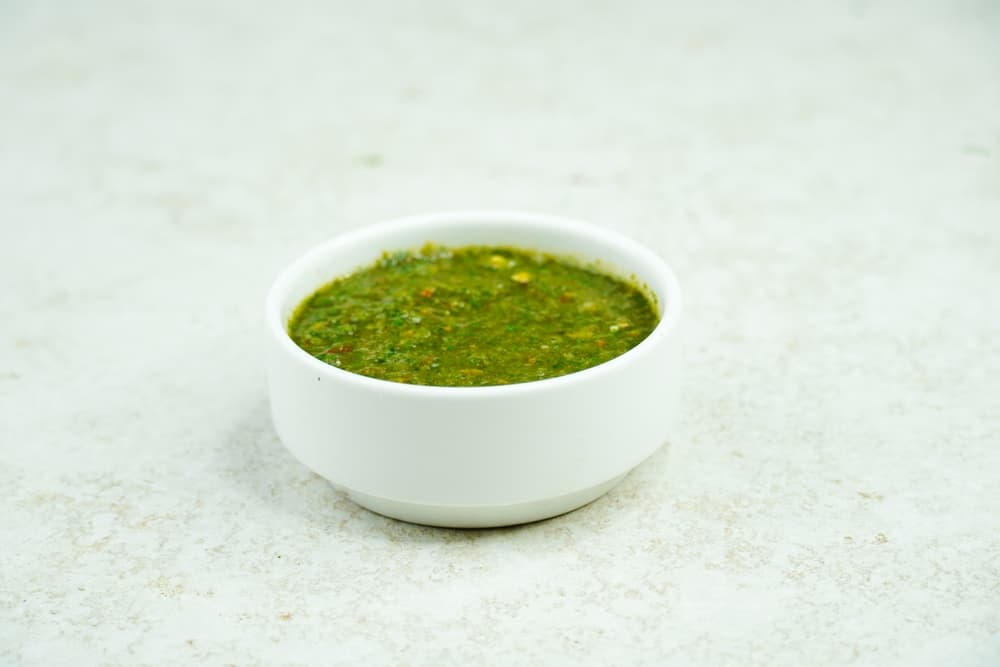
Shunthi Kalka is a classical Ayurvedic food preparation (Aahara). That works quickly to relieve digestive discomfort, abdominal pain, and ama-related conditions. It belongs to the Lidha category, meaning it is taken in a lickable, paste-like form for fast absorption.
The main ingredient, Shunthi (dry ginger), is well known in Ayurveda for balancing Vata and Kapha, improving digestion, boosting metabolism and reducing abdominal pain caused by indigestion. When combined with Tila (sesame seeds), Guda (jaggery), and Dugdha (milk), the therapeutic effect of this preparation becomes warming, nourishing, and even more effective, especially for weak digestion and abdominal spasms.
The main ingredient, Shunthi (dry ginger), is well known in Ayurveda for balancing Vata and Kapha, improving digestion, boosting metabolism and reducing abdominal pain caused by indigestion. When combined with Tila (sesame seeds), Guda (jaggery), and Dugdha (milk), the therapeutic effect of this preparation becomes warming, nourishing, and even more effective, especially for weak digestion and abdominal spasms.
What is Shunthi Kalka made of?
What are the synonyms of Shunthi Kalka?
ginger chutney
What is the source of Shunthi Kalka?
Plant Based
Benefits of Shunthi Kalka
1. Abdominal pain
Abdominal pain is a condition that occurs either due to the side effects of any medicine or as a symptom of any disease. According to Ayurveda, it happens due to the imbalance of Vata dosha. When Vata gets aggravated, it results in a feeling of fullness followed by flatulence and pain in the abdomen. Sometimes abdominal pain might also occur due to indigestion. This formulation is traditionally indicated for Parinama Shula, a type of abdominal pain due to indigestion. Shunthi helps stimulate agni (digestive fire) and controls the aggravated Vata, reducing spasm and promoting digestion.
2. Rheumatoid Arthritis (RA)
In Ayurveda, Rheumatoid Arthritis (RA) is known as Aamavata. It begins with a weak digestive fire, which leads to the formation of Ama (toxic, undigested waste). When Vata dosha becomes aggravated, it carries this Ama into the joints. The combination of aggravated Vata and accumulated Ama in the joints results in Aamavata or RA. Shunthi Kalka has Ushna (hot potency) and Ama-Pachana (digestive) properties that help reduce stiffness, pain, and swelling associated with Amavata.
3. Flatulence
Flatulence is an accumulation of gas that causes discomfort in the abdomen or intestines, resulting in gas. It is caused due to an imbalance of Vata and Pitta dosha. Low Pitta dosha and an aggravated Vata dosha result in Mand Agni (low digestive fire). This leads to poor digestion and ultimately gas formation or flatulence. The combination of pungent, bitter, and sweet tastes helps clear excess Vata, making Shunthi Kalka effective for Mand Agni (low digestive fire), which helps to reduce bloating, mild constipation, and intestinal discomfort.
4. Malnutrition
Malnutrition can be correlated with Karshya in Ayurveda, which occurs due to a lack of nutrients and improper digestion. Ingredients like Tila (sesame seeds) and Dugdha (milk) provide nourishment and strength, helping support body tissues while addressing digestive imbalances. Regular use of Shunthi Kalka in the diet helps maintain energy levels and supports the body’s calorie requirements.
Abdominal pain is a condition that occurs either due to the side effects of any medicine or as a symptom of any disease. According to Ayurveda, it happens due to the imbalance of Vata dosha. When Vata gets aggravated, it results in a feeling of fullness followed by flatulence and pain in the abdomen. Sometimes abdominal pain might also occur due to indigestion. This formulation is traditionally indicated for Parinama Shula, a type of abdominal pain due to indigestion. Shunthi helps stimulate agni (digestive fire) and controls the aggravated Vata, reducing spasm and promoting digestion.
2. Rheumatoid Arthritis (RA)
In Ayurveda, Rheumatoid Arthritis (RA) is known as Aamavata. It begins with a weak digestive fire, which leads to the formation of Ama (toxic, undigested waste). When Vata dosha becomes aggravated, it carries this Ama into the joints. The combination of aggravated Vata and accumulated Ama in the joints results in Aamavata or RA. Shunthi Kalka has Ushna (hot potency) and Ama-Pachana (digestive) properties that help reduce stiffness, pain, and swelling associated with Amavata.
3. Flatulence
Flatulence is an accumulation of gas that causes discomfort in the abdomen or intestines, resulting in gas. It is caused due to an imbalance of Vata and Pitta dosha. Low Pitta dosha and an aggravated Vata dosha result in Mand Agni (low digestive fire). This leads to poor digestion and ultimately gas formation or flatulence. The combination of pungent, bitter, and sweet tastes helps clear excess Vata, making Shunthi Kalka effective for Mand Agni (low digestive fire), which helps to reduce bloating, mild constipation, and intestinal discomfort.
4. Malnutrition
Malnutrition can be correlated with Karshya in Ayurveda, which occurs due to a lack of nutrients and improper digestion. Ingredients like Tila (sesame seeds) and Dugdha (milk) provide nourishment and strength, helping support body tissues while addressing digestive imbalances. Regular use of Shunthi Kalka in the diet helps maintain energy levels and supports the body’s calorie requirements.
Precautions when using Shunthi Kalka

AYURVEDIC VIEW
People with diabetes should take caution because of the presence of jaggery (Guda).
AYURVEDIC VIEW
Pregnant women should consult their doctor before taking Shunthi kalka.
AYURVEDIC VIEW
Individuals with excess heat (pitta disorders), such as acidity, ulcers, or burning sensations, should use it cautiously due to Shunthi’s heating nature.
Recommended Dosage of Shunthi Kalka
- Shunthi Kalka Paste - 3–6 grams of fresh kalka, once or twice a day,
How to use Shunthi Kalka
Consume the freshly prepared kalka directly.
Take it after meals to help reduce the symptoms of indigestion.
Take it after meals to help reduce the symptoms of indigestion.
Frequently asked questions
Q. What is Shunthi Kalka used for?
AYURVEDIC VIEW
It is traditionally used for digestive colic (Parinama Shula), gas, bloating, and rheumatic disorder (Amavata).
Q. Can it be taken daily?
AYURVEDIC VIEW
Yes, but preferably under guidance, especially if you are using it for a longer period.
Q. Does it help with digestion?
AYURVEDIC VIEW
Yes, Shunthi Kalka strengthens digestion, reduces Ama, and improves metabolic function.
Q. Can people with diabetes take it?
AYURVEDIC VIEW
It is not generally recommended for individuals with diabetes because it contains jaggery, which can cause a rise in blood sugar levels.
Q. What are the Ayurvedic properties of Shunthi Kalka
AYURVEDIC VIEW
According to Ayurveda, Shunthi Kalka has Katu (pungent), Tikta (bitter), and Madhura (sweet) in taste, and Ushna (heating) in nature. These properties make it excellent for reducing Vata and Kapha, improving digestion, and managing symptoms caused by Ama accumulation.
Q. How can we store Shunthi Kalka at home?
AYURVEDIC VIEW
It should not be stored for long; always consume fresh within a day.
Q. How to make Shunthi Kalka at home?
AYURVEDIC VIEW
Mix Shunthi, Tila Seeds, and Guda into a fine kalka (paste). Add an appropriate quantity of Dugdha to achieve the desired lickable consistency. Use within one day of preparation.
Q. Does modern science support Shunthi’s digestive benefits?

MODERN SCIENCE VIEW
Yes. Modern science also agrees that ginger can help digestion. Studies show it helps your stomach empty faster and may reduce gas, bloating, and discomfort [1].
Q. Does ginger support respiratory health?
MODERN SCIENCE VIEW
Yes. Ginger may help your lungs and breathing. Its natural compounds can help calm irritation and support comfort during colds or stuffiness [2]
References
- 1. Nikkhah Bodagh, M., Maleki, I., & Hekmatdoost, A. (2018). Ginger in gastrointestinal disorders: A systematic review of clinical trials. Food science & nutrition, 7(1), 96–108.

- 2. Townsend, E. A., Siviski, M. E., Zhang, Y., Xu, C., Hoonjan, B., & Emala, C. W. (2013). Effects of ginger and its constituents on airway smooth muscle relaxation and calcium regulation. American journal of respiratory cell and molecular biology, 48(2), 157–163.
Disclaimer
The content is purely informative and educational in nature and should not be construed as medical advice. Please use the content only in consultation with an appropriate certified medical or healthcare professional.
Author Details

M.Tech, B.Tech

BAMS

MBA, MBBS
Last updated 04 Dec 2025 | 05:50 PM (IST)

Introduction
Benefits
Precautions
Recommended dosage
How to use
FAQs
References