






Mudga Soopa
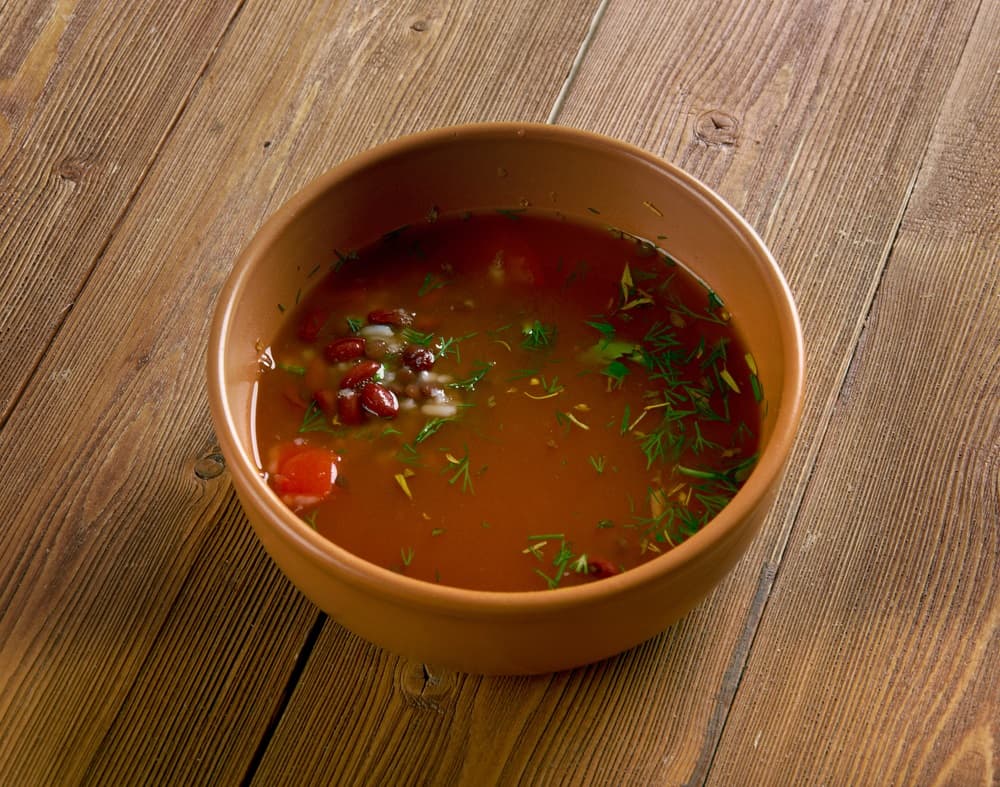
Mudga Soopa is a traditional, slightly thick Ayurvedic recipe mentioned in Bhojana Kutūhalam under Siddha Anna Prakarana. Prepared primarily from Mudga (mung bean), this classic recipe combines sugar, ghee, and aromatic spices like Ela (cardamom) to create a nourishing, easily digestible dish. The use of ghee adds healthy fats that support nutrient absorption, while cardamom may aid digestion and reduce bloating.
Known for its lightness on digestion and soothing properties, Mudga Soopa (Moong dal soup) is often used to support digestive strength, provide gentle nourishment, and maintain overall well-being. The formulation is particularly valued for its simplicity, sattvic nature, and its suitability for individuals across age groups who require mild yet nutritious dietary support.
Known for its lightness on digestion and soothing properties, Mudga Soopa (Moong dal soup) is often used to support digestive strength, provide gentle nourishment, and maintain overall well-being. The formulation is particularly valued for its simplicity, sattvic nature, and its suitability for individuals across age groups who require mild yet nutritious dietary support.
What are the synonyms of Mudga Soopa?
mung bean soup, Moong dal soup
What is the source of Mudga Soopa?
Plant Based
Frequently asked questions
Q. Is Mudga Soopa( Moong dal soup) suitable for all age groups?

AYURVEDIC VIEW
Yes, its light and nourishing nature makes it suitable for children, adults, and elderly individuals.
Q. Can it be taken daily?
AYURVEDIC VIEW
Yes, when consumed in moderation, it can be a part of a daily diet, especially for digestive support.
Q. Does it help improve digestion?
AYURVEDIC VIEW
Yes, Mudga is known for its Laghu guna, making it ideal for enhancing digestive comfort and metabolism.
Q. Can people with weak digestion consume it?
AYURVEDIC VIEW
Absolutely. It is gentle, soothing, and easily digestible.
Q. How to make it at home?
AYURVEDIC VIEW
Prepare a fine powder of Mudga (green gram). Mix equal proportions of sugar and ghee with this Mudga powder. Add Ela (cardamom) and other suitable condiments as required. Once the ingredients are well combined, roll the mixture into small balls for consumption.
Q. Are there any contraindications for the consumption of Mudga Soopa( Moong dal soup)?
AYURVEDIC VIEW
No major contraindications are described in classical literature. Individuals with specific dietary restrictions (e.g., low-sugar diets) should consume with caution.
Q. Are there scientific studies on “mung bean + traditional preparation” specifically (like soups or porridges)?

MODERN SCIENCE VIEW
While most scientific studies focus on the nutritional and bioactive properties of mung beans (or their extracts), there is growing research on the health effects of consuming mung beans in regular diets. For example, a 2024 human study found that six weeks of mung bean consumption improved antioxidant enzyme activity and vascular (endothelial) function [2]
Also, a broad review of mung beans’ benefits cites their roles in metabolic health, blood sugar and lipid regulation, liver protection, and immune modulation [3].
Also, a broad review of mung beans’ benefits cites their roles in metabolic health, blood sugar and lipid regulation, liver protection, and immune modulation [3].
Q. Does the addition of spices like cardamom add health value (beyond flavor)?
MODERN SCIENCE VIEW
Yes, spices like Cardamom (commonly used in Mudga Soopa) are not just for taste. Cardamom has been studied for its potential benefits, including digestive support, antioxidant and anti-inflammatory effects, as well as cardiovascular/metabolic benefits [4].
References
- Nair, R. M., Yang, Y., Easdown, W. J., Thavarajah, D., Thavarajah, P., & Hughes, A. (2013). Biofortification of mungbean (Vigna radiata) as a whole food to enhance human health. Journal of the Science of Food and Agriculture, 93(8), 1805-1813.

- Chandrasekharan C, Bhat S. Potential effects of Mudga (Vigna radiata L. Wilczek) as a dietetic food and medication for diabetes. J Ayurveda Integr Med Sci [Internet]. 2024 Feb. 1 [cited 2025 Dec
- Heydarian, A., Tahvilian, N., Shahinfar, H., Abbas-Hashemi, S. A., Daryabeygi-Khotbehsara, R., & Aryaeian, N. (2023). Effect of cardamom consumption on inflammation and blood pressure in adults: A systematic review and meta-analysis of randomized clinical trials. Food science & nutrition, 12(1), 3–12.
Disclaimer
The content is purely informative and educational in nature and should not be construed as medical advice. Please use the content only in consultation with an appropriate certified medical or healthcare professional.
Author Details

M.Tech, B.Tech

BAMS

MBA, MBBS
Last updated 18 Dec 2025 | 06:56 PM (IST)

Introduction
FAQs
References